
Pruning
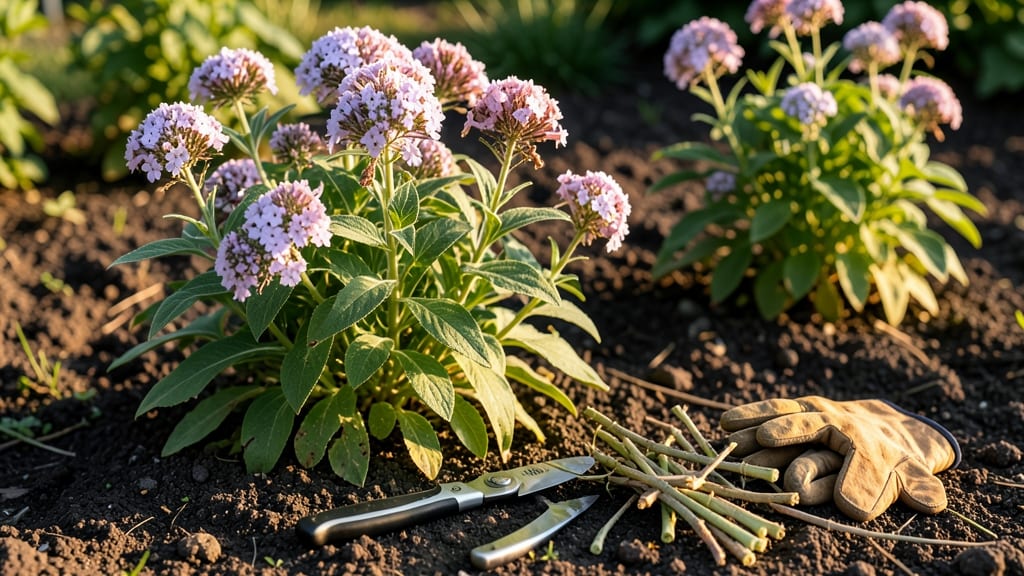
Cutting back garden phlox in late summer is the key to a showstopping display of blooms next spring 🌸 — but timing it wrong can leave your plants struggling or even damaged.
You’ve probably looked at your thriving phlox in August and wondered: Should I trim now? The answer depends on your climate, but most gardeners in Zone 6a and beyond wait until mid-to-late September to avoid stunting regrowth or inviting winter rot.
Pruning too early can rob your phlox of the energy it needs to store nutrients for next year’s stems, while waiting too long risks leaving browned foliage that weakens the plant before frost.
The 30-second rule here? Cut back just as the flowers fade and seed pods form—but never after the first hard frost.
In this guide, you’ll learn the exact window for your region, how to prune like a pro (without overdoing it), and the one mistake that kills more phlox than any other. Let’s get those stems ready for a bigger, healthier show in 2025.
Best late summer timing for cutting back garden phlox
Getting the timing right for cutting back your garden phlox can make all the difference between a lush, vibrant display next spring and a weak, struggling plant. Late summer is the perfect window to prune, but mid-to-late September is ideal for most climates.
This timing allows your phlox to recover before winter while avoiding the risk of late-season regrowth that could be damaged by frost.
Your phlox will naturally signal when it's time to cut back. Look for brown or yellowing foliage, which indicates the plant is winding down for the season.
Additionally, if you see seed pods forming, this is a clear sign that the plant has finished blooming and is ready for a trim. Waiting too long can lead to overwintering issues or even plant death in colder regions.
Regional frost dates play a critical role in determining the best time to prune. In USDA Zones 3-5, aim to finish pruning by mid-October to give your phlox enough time to harden off before winter. For Zones 6-9, late September to early October works well, as the risk of early frost is lower. Always check your local last frost date to plan accordingly.
| Climate Zone | Best Pruning Window | Key Plant Signals | Frost Risk |
|---|---|---|---|
| USDA Zones 3-5 | Mid-to-late September | Brown foliage, seed pods | High (prune by mid-October) |
| USDA Zones 6-7 | Late September to early October | Yellowing leaves, reduced blooms | Moderate (prune before first frost) |
| USDA Zones 8-9 | Late September to early November | Dormant growth, seed heads | Low (prune before winter chill) |
| Southern Coastal | Late September to October | Brown tips, sparse blooms | Minimal (prune before rain season) |
One of the biggest mistakes gardeners make is pruning too early in the season, which can stunt new growth and leave your phlox vulnerable to pests and diseases. Early summer pruning is typically for deadheading spent blooms, not a major trim.
Late summer pruning, however, is about removing up to one-third of the stems to encourage dense, healthy regrowth for next year.
When you cut back your phlox, focus on removing only the top third of the stems. This leaves enough foliage to photosynthesize and store energy for winter. Avoid cutting into old wood, as this can damage the plant’s structure.
Use clean, sharp pruners to make clean cuts just above a leaf node or bud. This encourages new shoots to grow from the base in spring.
After pruning, it’s essential to clean up the debris around your phlox. Leaving old foliage and seed pods can attract pests like aphids or spread diseases like powdery mildew. Remove all clippings and disinfect your tools with rubbing alcohol to prevent contamination.
Once the area is clear, consider adding a layer of mulch to insulate the roots and retain moisture.
If you live in a warmer climate where frost is rare, you can extend your pruning window into early November. However, always monitor your phlox for signs of new growth after pruning. If you see fresh shoots emerging, it’s a good sign your plant is recovering well.
In contrast, if your phlox remains leggy or sparse, it may need more time or additional care like fertilization or better drainage.
Timing your pruning correctly ensures your garden phlox thrives year after year. By following these guidelines—watching for plant signals, adapting to your climate zone, and pruning properly—you’ll set your phlox up for a show-stopping display next summer.
Don’t wait until the last minute; act now to give your plants the best chance for success! 🌸
Step-by-step guide to pruning phlox for healthy regrowth
Pruning your garden phlox correctly is the key to dense foliage and vibrant blooms next season. Once you’ve timed your cuts right in late summer, the next step is executing the prune with precision.
I’ll walk you through every detail—from the right tools to sanitation steps that prevent disease—so your phlox thrives year after year.
Start by gathering your pruning tools. A pair of sharp bypass pruners is essential for clean cuts, while sterilized shears prevent spreading fungal spores.
Avoid dull tools—they crush stems and invite infection. I also recommend wearing gloves to protect your hands from sap and thorns, especially on mature plants.
Now, let’s focus on the cutting technique. The golden rule is to remove one-third of the stems at the base. This encourages new growth from the roots while maintaining the plant’s structure. Target stems that are brown or woody—these won’t regrow and only take energy from healthier stems.
How to Prune Garden Phlox for Optimal Regrowth
- 1 Wait for the right signals: Prune when seed pods form and foliage turns brown (mid-to-late September). Avoid cutting before first frost to allow energy storage.
- 2 Gather sterilized tools: Use 70% isopropyl alcohol to wipe down pruners between cuts. This stops bacterial spread from infected stems to healthy ones.
- 3 Trim one-third of stems: Select woody or brown stems first. Cut at a 45-degree angle just above a leaf node to encourage outward growth.
- 4 Remove debris immediately: Clear away cuttings and dead foliage from the base. Leaving them invites pests and disease. Compost healthy stems, but discard diseased ones.
- 5 Apply mulch after pruning: Spread 2-3 inches of mulch (like shredded bark) around the base. This insulates roots, retains moisture, and suppresses weeds.
After pruning, your phlox needs post-care attention to bounce back strong. Water deeply to help roots recover, but avoid overwatering, which can drown new growth. I also recommend a light fertilizer in early spring to jumpstart regrowth—use a balanced 10-10-10 formula to encourage both foliage and flowers.
Monitor your phlox over the next few weeks for new shoots. If you notice yellowing leaves or stunted growth, it could signal over-pruning or disease. In that case, trim back further only if necessary, and treat with neem oil to prevent fungal issues.
With the right care, your phlox will reward you with lush regrowth and even more stunning blooms next season.
Remember, the goal isn’t just to cut back—it’s to invigorate your phlox for years of color. Follow these steps, and you’ll enjoy a healthier, fuller plant that stands out in your garden. Happy pruning!