
Pruning
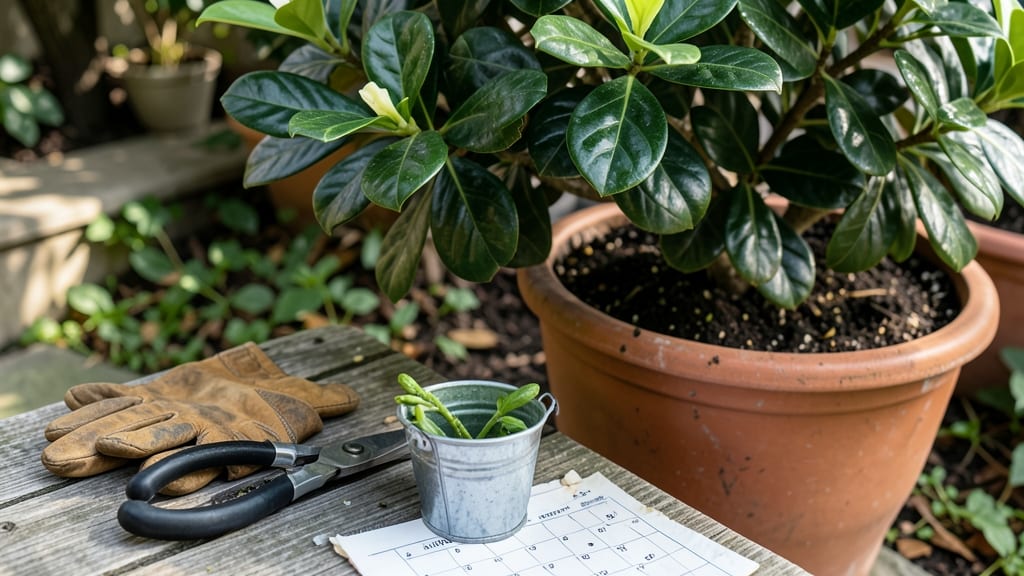
Trimming gardenias at the right time ensures more blooms and healthier growth, and the best window is late spring—just after the last frost and before new shoots harden.
Picture this: You’ve waited months for those fragrant 🌸 flowers to burst open, only to prune too early and watch them wither. Or worse, you trim after the blooms fade and end up with leggy, sparse growth.
Timing is everything, and getting it wrong can turn your gardenia into a shadow of its fragrant self.
Gardenias thrive in USDA Zones 7-10, where late winter to early spring signals the perfect moment to prune. This is when the plant is waking from dormancy but hasn’t yet directed energy into new blooms—giving you the ideal chance to shape it without sacrificing next year’s flowers.
In this guide, I’ll walk you through the exact steps to trim your gardenia for maximum blooms, including when to avoid pruning (like after frost or during heatwaves) and how to care for it afterward. Ready to transform your shrub into a fragrant, full-blooming powerhouse?
When to prune gardenias for late spring blooms: the ideal seasonal timeline
Timing your gardenia pruning correctly is the secret to abundant late spring blooms and intense fragrance. Unlike many shrubs, gardenias bloom on new wood, meaning pruning too late can delay or reduce their famous floral displays.
The ideal window is late winter to early spring, just as the plant emerges from dormancy but before active growth begins.
Pruning at the wrong time—like after spring blooms appear—can stunt flower production for the next season. Gardenias are sensitive to pruning stress, so understanding their growth cycles is key.
In this guide, I’ll break down the exact month-by-month timeline, how to spot dormant vs. active growth, and why precision matters for those highly fragrant blooms.
🌱 Pro Tip: Always prune on a dry, overcast day to reduce stress on the plant. If you must prune in sunny conditions, do it early morning or late afternoon to prevent leaf scorch.
Here’s how to identify the perfect pruning window: Look for new buds forming at the base of stems but no open flowers yet. This signals the plant is waking up from dormancy—ideal for pruning.
If you see green shoots but no buds, wait 1-2 weeks to avoid shocking the plant.
In USDA Zones 7-9, aim to prune by mid-March (after last frost). For Zone 10 (warmer climates), shift to late February since frost is rare. Never prune after May—this risks cutting off next year’s flower buds, which form in late summer.
Pruning too early (winter) can expose branches to cold damage, while pruning too late (summer) stunts flowering. The 45-degree angle cut just above a leaf node is critical—it promotes healthier regrowth and more blooms. Use sterilized bypass pruners to prevent disease spread.
After pruning, feed with acidic fertilizer (like 8-3-9) and increase watering to support new growth. Mulch around the base to retain moisture and regulate soil temperature. Within 6-8 weeks, you’ll see lush new foliage and preparations for late spring blooms.
For container gardenias, prune slightly earlier (late February) since they warm up faster. Dwarf varieties (like Gardenia 'Radicans') need less aggressive pruning—just shape lightly to maintain their compact form. Always remove dead or crossing branches first to improve airflow and reduce pests.
If your gardenia skips blooming after pruning, it might be over-pruned or under-fertilized. Next season, reduce cuts by 20% and follow up with phosphorus-rich fertilizer (like 10-20-10) in early spring to boost flowering.
How to prune gardenias without killing blooms: step-by-step technique
Pruning gardenias correctly ensures abundant blooms and healthy foliage, but the wrong cuts can shock your plant and reduce fragrance. The key lies in cutting angles, tool selection, and timing—all while avoiding common mistakes that lead to sparse blooming seasons.
Start by using sharp, sterilized pruners to make clean cuts just above a leaf node or bud. This prevents damage to the plant’s vascular system, which can lead to disease. Always cut at a 45-degree angle to increase the surface area for water absorption and faster healing.
Remove dead or diseased branches first, then thin out crowded areas to improve air circulation. Never cut more than one-third of the plant’s foliage in a single session, as this can stress the gardenia and reduce its ability to produce blooms.
Focus on shaping the shrub while preserving its natural form.
⚠️ WARNING: Avoid these pruning pitfalls that kill blooms! ⚠️
After pruning, apply a balanced fertilizer (like 10-10-10) to replenish nutrients lost during trimming. Water deeply but avoid overwatering, which can cause root rot. Mulch around the base with acidic compost to retain moisture and mimic the plant’s natural habitat.
Monitor your gardenia for new growth signs like fresh leaves or buds within 4-6 weeks. If you notice yellowing leaves or wilting, reduce watering slightly and ensure the soil remains acidic (pH 5.0-6.0).
A healthy gardenia will reward you with fragrant blooms by late spring, proving your pruning was spot-on!
For container-grown gardenias, prune using the same techniques but adjust watering frequency—potted plants dry out faster and need daily checks in hot weather. Always use well-draining pots to prevent root rot, a common issue after pruning.