
Planting
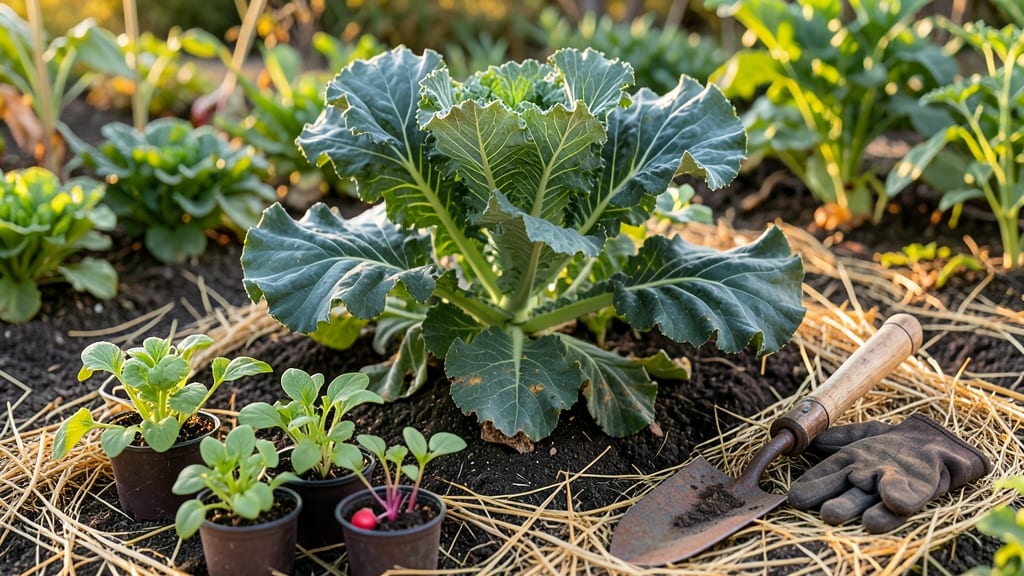
Planting a fall garden in Texas demands precision — the right timing means the difference between a bountiful harvest and wilted seedlings.
Texas gardeners know timing is everything—plant too early, and your 🥕 fall crops face scorching heat; too late, and frost ruins your harvest. But with the Lone Star State’s diverse microclimates, the perfect window varies dramatically from the Hill Country to the Gulf Coast.
For USDA zones 8a-10b, the ideal window stretches from mid-August through early October, giving cool-season vegetables like broccoli, kale, and carrots 60-90 days to mature before winter sets in.
Below, I’ll break down the exact dates by region, the best crops for your area, and how to stretch your harvest into December—without risking frost damage.
Texas fall garden planting dates by region: exact months for cool-season crops
Timing your Texas fall garden correctly means the difference between a bountiful harvest and wasted seeds. The Lone Star State spans USDA zones 8a-10b, creating wildly different frost dates from the Panhandle to the Gulf Coast.
For example, North Texas often sees its first frost by November 15, while South Texas might not freeze until January. Knowing your exact planting window ensures your broccoli, kale, and carrots thrive without heat stress or frost damage.
Cool-season crops like leafy greens and root vegetables need 60-90 days to mature before winter sets in. Planting too early in August risks bolting from heat, while waiting until October might leave crops vulnerable to early frosts.
The key is starting 6-8 weeks before your first frost date, adjusted by region. Let’s break down the optimal planting months for each Texas region to maximize your fall harvest.
📌 PRO TIP: Always check your local frost dates—they can shift yearly due to climate changes. Use the National Weather Service or Texas A&M AgriLife Extension for updates. For most Texans, mid-August to early October is the sweet spot for cool-season vegetables, but your exact timing depends on where you live.
In North Texas, where frosts arrive earliest, focus on fast-maturing crops like radishes (30 days) and spinach (40 days). Start seeds indoors in late July or direct-sow by mid-August to avoid bolting.
For broccoli and cauliflower, which take 70-90 days, plant by September 1 to ensure harvest before frost.
Central Texas gardeners have a slightly longer window—late August to October 1—but should prioritize heat-tolerant varieties like collard greens or turnips. The Hill Country (e.g., Fredericksburg) may experience earlier frosts, so adjust planting dates 1-2 weeks earlier than Austin.
Always test soil temperatures with a thermometer; cool-season crops struggle to germinate below 50°F (10°C).
💡 EXPERT TIP: Use row covers or cold frames to extend your harvest window by 2-4 weeks in frost-prone areas. These tools create a 5-10°F (3-6°C) buffer, protecting lettuce and kale until December in most of Texas. Just remove covers during the day to prevent overheating.
South Texas and the Gulf Coast enjoy the longest growing seasons, with first frosts rarely before January. Here, you can plant cool-season crops as late as October 30, but focus on heat-tolerant varieties like mustard greens or sweet potatoes.
The Rio Grande Valley (e.g., McAllen) might even grow spinach year-round with proper irrigation. However, avoid planting frost-sensitive crops like lettuce after September 15—they’ll bolt quickly in residual summer heat.
No matter your region, always prepare your soil before planting. Texas soils are often clay-heavy or sandy, which can compact or dry out quickly. Amend with 2-3 inches of compost and organic matter like aged
Best fall vegetables for Texas gardens: what to plant and when to avoid heat stress
Texas’s long, hot summers make fall gardening a game-changer for avoiding heat stress while still enjoying fresh produce. The key is selecting heat-tolerant cool-season crops that thrive when temperatures dip below 85°F but won’t bolt or wilt in lingering summer heat.
For example, collard greens and turnips handle Texas’s late-summer heat better than spinach or lettuce, which wilt in temperatures above 75°F.
Timing your fall planting between mid-August and early October ensures your crops mature before first frost—typically November 15 in North Texas or December 15 in Central Texas.
⏰ When to Plant Your Texas Fall Garden
✅ DO Plant
- Mid-August: Heat-tolerant crops like radishes, turnips, and collards (can handle 90°F+ soil temps).
- Late August: Broccoli, kale, and carrots (soil temps 75°F ideal).
- Early September: Spinach, lettuce, and peas (avoid 90°F+ soil).
❌ Avoid Planting
- After mid-September: Frost-sensitive crops like spinach or cabbage risk bolt before harvest.
- Before July: Heat-loving crops (e.g., tomatoes, peppers) will struggle in fall.
- October 1+: First frost threatens leafy greens and root veggies.
🌡️ Pro Tip: Use a soil thermometer—ideal temps for cool-season crops are 60-75°F.
Collard greens and mustard greens are my top picks for Texas fall gardens because they tolerate heat stress while sweetening in cooler weather. Start seeds 6-8 weeks before frost—for North Texas, that’s early September—and space them 12 inches apart to allow airflow and reduce disease risk.
If you’re in South Texas (USDA Zone 9a-10b), you can push your planting window later—early October works for kale and broccoli—but monitor humidity levels. High moisture can lead to fungal diseases like downy mildew, so mulch heavily with straw or grass clippings to keep soil dry.
For frost-sensitive crops like lettuce or spinach, opt for heat-tolerant varieties such as ‘Black Seeded Simpson’ lettuce or ‘Bloomsdale Long Standing’ spinach. These varieties handle short heat spikes better than standard types, giving you a 2-3 week extension before bolting.
Finally, don’t overlook radishes and turnips—they’re fast-growing (30-40 days to harvest) and thrive in cool soil. Plant them every 2 weeks from mid-August to early October for a continuous harvest before winter sets in.
With the right fall vegetable lineup, you can enjoy fresh produce straight from your Texas garden—without the heat stress or frost risk that plagues summer and winter plantings alike. 🌱