
Planting
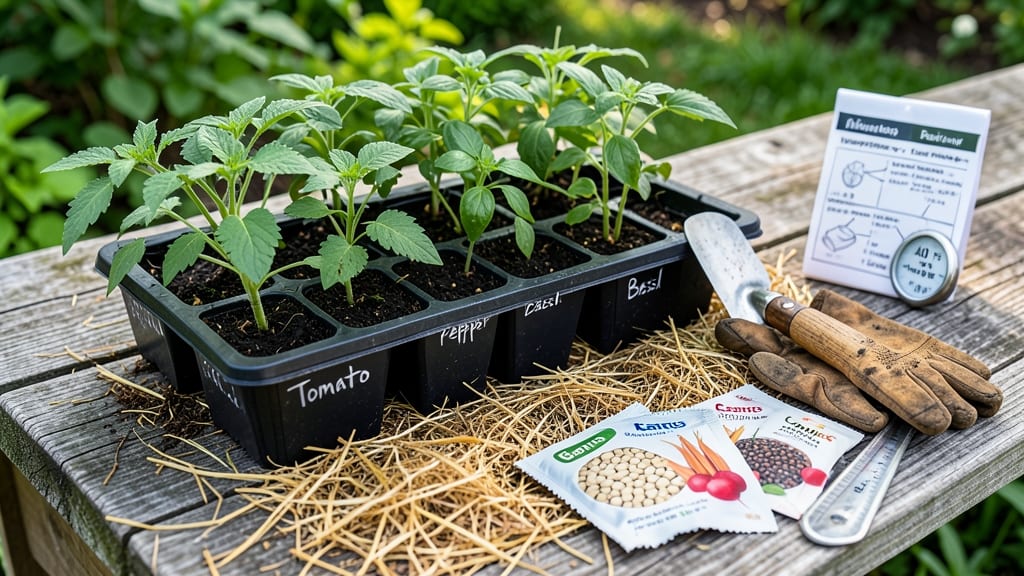
The best time to plant a garden in Michigan is after your last spring frost — typically late April to early May in most regions, with earlier dates in the southern Lower Peninsula and later in the Upper Peninsula.
Michigan’s unpredictable spring weather can turn even the most eager gardener into a second-guessing novice—plant too early, and frost will wipe out your hard work; too late, and you’ll miss peak harvests.
But timing your garden right isn’t about luck—it’s about science, local climate data, and knowing which plants thrive when.
Cool-season crops like peas, spinach, and lettuce can often go in the ground as early as March, while frost-sensitive plants like tomatoes and peppers need to wait until soil temperatures are consistently above 50°F.
Michigan State University Extension provides regional frost dates, but even those can shift year to year.
In this guide, I’ll break down the exact planting windows for your area, share foolproof tips to extend your growing season, and give you a month-by-month checklist so you never miss a deadline again.
Michigan’s frost-free planting zones: key dates by region (2024 guide)
Michigan’s USDA Hardiness Zones 4-6 create a diverse planting landscape, where Southern Lower Peninsula gardeners enjoy 2-3 weeks earlier last frost dates than their Northern counterparts. Understanding these microclimates helps you avoid frost damage while maximizing your growing season.
In 2024, historical data shows earlier-than-average warming trends in the Thumb Region, but Northern zones like Traverse City still face late-May frosts.
For cool-season crops like peas, spinach, and kale, the Southern Lower Peninsula can start planting as early as mid-March under row covers, while Northern Michigan waits until late April. Warm-season crops such as tomatoes and peppers, however, must wait until after the last frost, typically mid-May to early June, depending on your zone.
Using local frost date averages as guidelines—rather than hard rules—helps account for Michigan’s unpredictable weather patterns.
Pro Tip: Bookmark the Michigan State University Extension’s Frost Date Map for real-time updates. Their 2024 data suggests a 5-7 day shift earlier in frost dates compared to the 30-year average, but always verify with your local weather station before planting frost-sensitive varieties like basil or squash.
If you’re in Zone 6a (Southern Lower Peninsula), you can plant radishes and lettuce as early as late March under cloches, but tomatoes and peppers won’t tolerate frost, so wait until after May 15.
In contrast, Upper Peninsula gardeners should hold off on warm-season crops until early June, as late frosts are common through May. For succession planting, use 3-week intervals for crops like bush beans or zucchini to ensure continuous harvests.
Adjust your planting timeline based on soil temperature, not just air temperature. Use a soil thermometer to confirm 50°F+ for cool-season crops and 60°F+
Best planting schedule for Michigan gardens: month-by-month calendar by plant type
Michigan’s growing season runs from late April to early October, but not all plants thrive in the same window. Cool-season crops like spinach and peas can handle light frosts, while tomatoes and peppers need warm soil to germinate.
Understanding these timelines ensures your garden flourishes without frost damage or wasted effort.
Start with early spring (March-April) for hardy vegetables like kale and onions, then transition to warm-season plants (May-June) as temperatures rise. Fall planting (August-September) is perfect for cool-loving crops like carrots and radishes to harvest before winter sets in.
| Plant Type | Best Planting Month | Soil Temp (°F) | Sunlight Needs | Harvest Window |
|---|---|---|---|---|
| Cool-Season Veggies | March-April, Aug-Sept | 40-55°F | Full Sun - Partial Shade | May-July, Oct-Nov |
| Warm-Season Veggies | May-June | 60-70°F | Full Sun | July-Oct |
| Herbs (Basil, Cilantro) | April-May, Aug-Sept | 50-65°F | Full Sun | June-Oct |
| Flowers (Marigolds, Zinnias) | May-June | 55-70°F | Full Sun - Partial Shade | June-Frost |
| Perennials (Asparagus, Rhubarb) | March-April | 45-60°F | Full Sun | Year 2-3+ |
For cool-season crops, like spinach and lettuce, plant seeds 4-6 weeks before your last frost date (typically mid-April in Southern Michigan and late May in the North). These plants tolerate light frosts and even thrive in cooler temperatures.
Warm-season plants, such as tomatoes and peppers, require soil temperatures of at least 60°F to germinate. In Michigan, this usually means waiting until mid-May in the South and late May to early June in the North. Use row covers or greenhouses to extend the season if needed.
Herbs like basil and cilantro are versatile—plant basil after the last frost for summer harvests, while cilantro can handle cooler temps and even light frosts. For flowers, like marigolds and zinnias, sow seeds in May for vibrant blooms all summer long.
Don’t forget fall planting! Crops like kale and carrots can be sown in August for a late-season harvest before winter. This strategy maximizes your garden’s productivity and ensures fresh produce well into October.
Use this schedule as a flexible guide, adjusting based on your local microclimate and historical frost dates. Always monitor soil temperatures with a thermometer to ensure optimal conditions for germination and growth.