
Planting
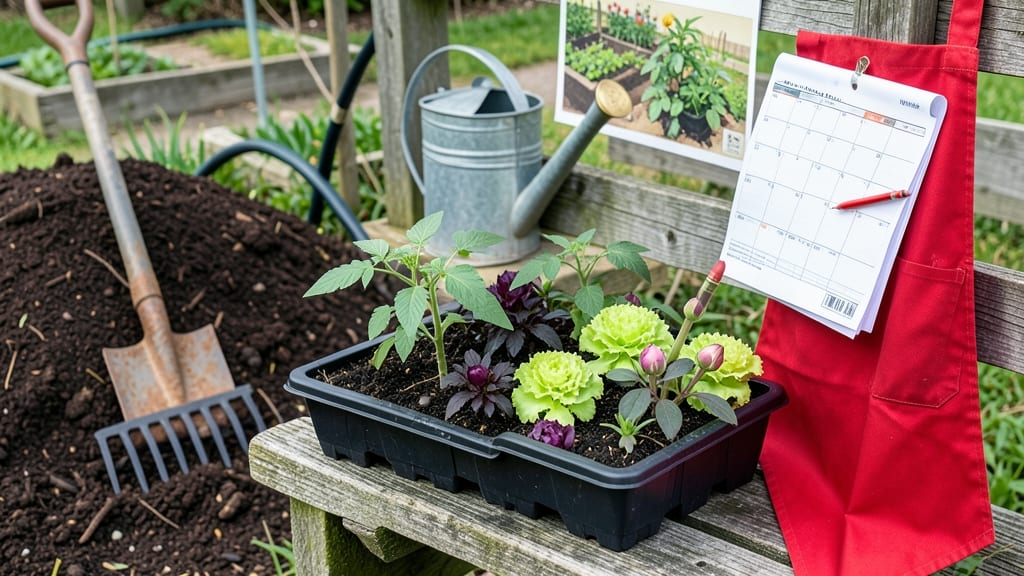
Planting a garden in Michigan at the right time means the difference between a lush, productive 🌱 harvest and a sad pile of frost-nipped seedlings.
Michigan’s unpredictable frost dates can turn a gardener’s dream into a risky gamble—but timing your plantings just right means the difference between a bountiful harvest and a wilted disappointment.
Whether you’re a seasoned green thumb or a first-timer, knowing the exact windows for cool-season crops (like spinach and peas) versus warm-season staples (tomatoes and peppers) is your secret weapon.
Most of the state falls in USDA zones 5b and 6a, where last spring frosts linger into mid-April and first fall frosts creep in by mid-October. That narrow window forces tough choices: plant too early, and a late frost wipes out your seedlings.
Wait too long, and your tomatoes never set fruit. Below, I’ll break down the zone-specific deadlines you need to avoid those pitfalls—and how to adjust for Michigan’s infamous weather whiplash.
You’ll also discover how to use row covers, cold frames, and succession planting to stretch your growing season, plus the one shortcut that buys you an extra two weeks of harvest time. Let’s get your Michigan garden on the right track—before the next frost hits.
Michigan’s frost dates by Zone: critical planting windows for vegetables, flowers, and herbs
Michigan’s USDA hardiness zones 5b, 6a, 6b, and 7a create dramatic differences in frost timing—sometimes 2-3 weeks apart between northern and southern regions. In Zone 5b (Upper Peninsula), gardeners face late spring frosts until May 15, while Zone 7a (southern Michigan) often sees frost-free conditions by April 15.
These dates determine whether your tomatoes thrive or your basil bolts to seed.
Understanding these critical planting windows means the difference between a bountiful harvest and wasted effort. For example, planting peas too late in Zone 6b (common in Detroit) can result in stunted growth, while spinach sown too early in Zone 5b risks bolting before summer heat arrives.
Let’s break down the exact frost dates and planting deadlines for each zone.
Last spring frost dates are your green light for warm-season crops like tomatoes and peppers, while first fall frost dates signal when to harvest squash or beans before frost. In Zone 6a (Traverse City), the average last frost is May 5, but in Zone 7a (Ann Arbor), it’s often April 20. These variations mean adjusting planting dates by up to 3 weeks depending on your location.
Here’s a zone-by-zone breakdown of frost dates and optimal planting windows for Michigan’s most popular vegetables, flowers, and herbs, including cool-season crops (like kale and carrots) and warm-season staples (such as eggplants and marigolds).
For cool-season crops like spinach and peas, the earliest planting window opens in late February or early March in Zone 7a, while Zone 5b gardeners should wait until mid-March.
These crops tolerate light frosts and can even bolster flavor with a touch of cold. However, direct-sowing too early risks rot in soggy spring soils.
Warm-season crops—such as tomatoes, peppers, and cucumbers—demand soil temperatures above 50°F and frost-free conditions. In Zone 6a, this means waiting until after May 15, while Zone 7a gardeners can plant as early as April 15. Slow-starting crops like sweet corn may need
How to adjust planting dates for Michigan’s unpredictable weather patterns
Michigan’s unpredictable frost dates can throw even the most experienced gardeners off schedule. One year, your tomato seedlings might be safe by Memorial Day, while the next, a late frost hits in May. The key to success? Flexible planting strategies that account for these swings.
By mastering a few proven techniques—like succession planting, heat unit calculations, and protective covers—you can stretch your growing season and safeguard your harvest against Mother Nature’s whims.
Start by understanding your local frost dates. While the Upper Peninsula might see its last frost in late May, southern Michigan often warms up by mid-April. Use these dates as your baseline, but always be ready to adjust.
For example, sweet corn needs 900-1,200 heat units to mature, so planting too early in cooler zones can leave you with underdeveloped ears. Calculating heat units helps you pinpoint the exact window when your soil and air temperatures align with your crop’s needs.
- 📅 Succession Planting: Stagger seeds every 2 weeks for continuous harvests (e.g., lettuce, radishes, bush beans). Example: Plant one batch of lettuce on April 15, another on May 1, and a final batch on May 15 to avoid bolting.
- 🌡️ Heat Unit Math: Use a growing degree day (GDD) calculator to determine when your slow-starting crops (like corn or peppers) will mature. Aim for 1,000+ GDDs for peppers in Zone 5b.
- 🛡️ Row Covers: Extend spring plantings by 2-4 weeks with lightweight fabric. Remove during pollination for cucumbers and squash to ensure fruit set.
- 🏠 Cold Frames: Start cool-season crops (e.g., spinach, kale) in late summer for fall harvests. A cold frame can add 10-14°F of protection.
- 🌱 Indoor Starts: Begin tomatoes, peppers, and eggplants indoors 6-8 weeks before the last frost. Use grow lights if natural light is limited.
- 🌿 Direct Sowing: Harden off seedlings outdoors in protected microclimates (e.g., near south-facing walls) to test their readiness before full transplant.
For warm-season crops like tomatoes and peppers, timing is everything. In northern Michigan (Zone 5b), wait until after May 15 to transplant seedlings outdoors, even if the soil is workable earlier. Use black plastic mulch to warm the soil faster—this can shave off 1-2 weeks of waiting.
If a late frost threatens, pop on a frost blanket or move potted plants under a hoop house until temperatures stabilize.
Don’t overlook fall planting, either. Cool-season crops like broccoli and carrots thrive in Michigan’s autumn weather. Start seeds in late July for a harvest before the first frost, which typically arrives in mid-October in southern zones but as early as late September in the north.
Use a cold frame to extend harvests into November for hardy greens like kale and spinach.
When in doubt, plant a backup batch. Keep a few extra seeds on hand for succession plantings or as insurance against failed early attempts. For example, if your first cucumber planting gets hit by pests, a second batch sown 2 weeks later ensures you still get a harvest.
This strategy works especially well for fast-growing crops like radishes and bush beans, which mature in 30-50 days.
Finally, observe your microclimate. A sunny, sheltered spot near your house might be 5-10°F warmer than the rest of your yard, allowing you to plant 1-2 weeks earlier.
Install a soil thermometer to track temperatures—most warm-season crops need soil at 60°F+ to thrive. With these adjustments, you’ll turn Michigan’s unpredictable weather into an advantage, not a setback. 🌱