
Tools
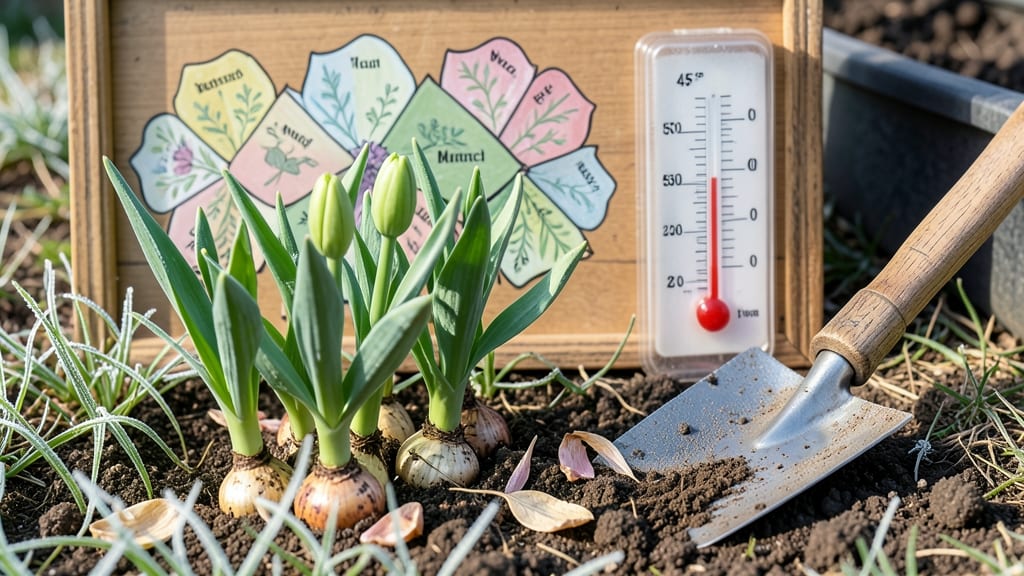
Gardening season starts when the last average frost date passes in your USDA Zone, typically between early March (Zone 10) and late May (Zone 3), with cooler-climate plants like peas planted earlier and heat-lovers like tomatoes introduced after soil warms to 60°F+
Your local frost dates determine when to plant, but they're just the starting point. 🌱 The USDA Zone system divides the country into 11 climate regions based on average minimum temperatures, but microclimates—like urban heat islands or sheltered garden spots—can shift your planting window by 2-4 weeks.
For example, Zone 5 gardeners in cities might start planting 10 days earlier than rural areas due to warmer pavement radiating heat.
Always check your last frost date (when nighttime temps stay above 32°F) and first frost date (when temps drop below 32°F again) for your specific location, as these mark the true boundaries of your growing season.
Even within the same zone, plant types have different timing needs. Cool-season crops like lettuce and spinach can handle light frosts and often thrive when planted 4-6 weeks before your last frost date.
On the other hand, warm-season plants like peppers and cucumbers need soil temperatures of at least 60°F—so they wait until after your last frost, sometimes requiring row covers or cold frames to extend the season.
I always recommend testing soil temperature with a soil thermometer for at least 3 days before planting heat-lovers, as surface temps can be misleading.
💡 In This Article
- USDA Zone Frost Dates and Planting Timelines
- Seasonal Planting Calendar by Vegetable Type
USDA Zone frost dates and planting timelines
The USDA Zone system divides the country into 11 climate regions based on average annual minimum temperatures, but frost dates are what truly dictate when you can plant outdoors.
Each zone has a distinct last average frost date—the point when nighttime temperatures reliably stay above 32°F—which shifts dramatically from Zone 3 to Zone 10.
For example, Zone 3 (northern Minnesota, Maine) typically sees its last frost around May 15, while Zone 10 (southern Florida, California) may experience frost-free conditions by February 15. These dates create a 3-month window between the earliest and latest starting points for gardening across the U.S.
What makes frost dates tricky is that they're based on averages, not guarantees. A hard frost (below 28°F) can still occur after your last average frost date, which is why experienced gardeners use first frost dates too—these mark when nighttime temps drop below 32°F again in fall.
For instance, in Zone 6 (Chicago, Denver), the last frost is around April 15, but the first frost returns by October 15, giving you a 5.5-month growing window.
Microclimates further complicate this: urban areas with concrete and buildings can be 5-10°F warmer than rural zones, extending your season by 1-2 weeks.
Here's how to find your exact frost dates: Start with the USDA Zone Map (available at planthardiness.ars.usda.gov), then check local agricultural extension services or weather stations for 3-5 years of historical data.
Apps like The Old Farmer's Almanac provide hyperlocal frost predictions, but I recommend verifying with your county extension office for the most accurate information. For example, while the USDA might list Zone 5's last frost as May 10, your specific location could vary by ±10 days.
Understanding these timelines helps you plan strategically. Cool-season crops like kale, carrots, and peas can often be planted 4-6 weeks before your last frost date because they tolerate light frosts (28-32°F).
Meanwhile, warm-season plants like tomatoes and peppers need soil temperatures above 60°F—so they wait until after your last frost, sometimes requiring row covers or cold frames to extend the season.
I've seen gardeners in Zone 4 (like myself) use black plastic mulch to warm soil by 5-8°F, allowing them to plant heat-lovers 2 weeks earlier than the frost date suggests.
Don't overlook the first frost date either—this determines when to harvest or protect tender plants. In Zone 7 (Atlanta, Dallas), the first frost arrives around November 1, meaning tomatoes planted in early summer need to be harvested by October 15 or moved indoors.
For a 30-day extension, use floating row covers (which allow light and water through but trap heat). In my own garden, I've successfully grown basil and peppers until December 1 in Zone 7 by combining row covers with a small greenhouse.
Pro tip: Keep a gardening journal for at least 3 years to track your local frost dates and adjust planting schedules.
I noticed my Zone 6 garden's last frost shifted 3 days earlier each year due to climate change, so I now plant spinach and lettuce 5 days earlier than the USDA average. The key is balancing historical averages with real-time observations to fine-tune your schedule. 🌱