
Planting
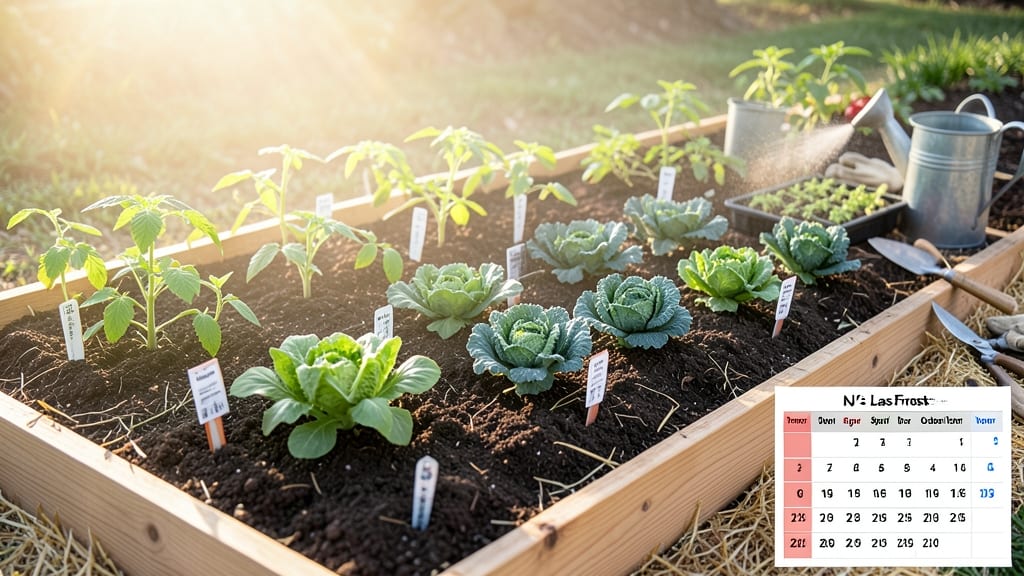
Planting a vegetable garden in New Jersey at the right time means the difference between a thriving harvest and a sad, wilted disappointment.
If you've ever rushed seedlings into the ground only to watch them freeze under a late frost—or waited too long and missed the summer growing window—you know how critical timing is.
New Jersey’s Zone 6a-7b climate gives gardeners a short but sweet window, and missing it can mean wasted seeds and empty beds.
Cool-season crops like lettuce and spinach can handle spring’s chill, while tomatoes and peppers need to wait until after the last frost—usually mid-April. But here’s the catch: coastal areas like Cape May freeze later than inland spots near Newark, so your neighbors might be planting while you’re still waiting.
Below, I break down the exact planting windows by crop, how to adjust for NJ’s microclimates, and the five fastest-growing veggies to maximize your short season. No more guesswork—just a garden that delivers.
NJ last frost dates and best planting windows by crop type
New Jersey’s USDA Zones 6b-7a give gardeners a 165-200 frost-free days window, but last frost dates can vary yearly between mid-April and early May. For example, coastal areas like Cape May often warm up earlier than inland regions like Sussex County.
Knowing these dates helps you avoid frost damage while maximizing your harvest potential.
Cool-season crops like lettuce and spinach thrive when planted 4-6 weeks before the last frost, while tomatoes and peppers need 2-3 weeks after the danger of frost has passed. Fall planting follows a similar logic, with cool-season crops going in 8-10 weeks before the first frost (typically mid-October).
Pro Tip: Use NJ State University Extension’s frost date maps (updated annually) for real-time adjustments. For 2024, most NJ gardeners can expect their last frost around April 20th, but always be prepared for late surprises!
For cool-season crops, prioritize leafy greens like kale and spinach in early spring. These hardy plants can handle light frosts and even taste sweeter after a touch of cold. Plant them in well-draining soil with partial shade during peak summer heat if extending into late fall.
When the soil temperature hits 55°F+ (test with a soil thermometer), it’s time for warm-season crops. Tomatoes and peppers need consistent warmth, so wait until mid-May at the earliest.
If you’re eager to start, use black plastic mulch to warm the soil faster—a trick I swear by for early tomato plantings!
Don’t forget about succession planting! For example, sow radishes every 2 weeks from April to August for continuous harvests. This works especially well in NJ’s short growing season, where timing is everything.
My go-to succession crops are bush beans and lettuce—both thrive in warm and cool seasons respectively.
If you’re in coastal NJ, you might get a 2-week head start on inland areas. For example, Jersey City gardeners can plant peppers by May 1st, while Sussex County gardeners should wait until May 15th. Always check local weather forecasts and adjust your planting calendar accordingly.
For fall planting, aim to have cool-season crops like broccoli and carrots established by mid-July. This gives them enough time to mature before first frost. I’ve had great success with cold-hard
How to adjust planting times for NJ’s microclimates and weather patterns
New Jersey’s diverse geography creates distinct microclimates that can shift planting windows by 2-3 weeks. Coastal areas like Cape May experience milder springs and later frosts, while inland regions near Newark face earlier freezes. Understanding these differences helps you extend your growing season and avoid frost damage.
For coastal gardeners, early spring planting (as soon as soil warms) is safer, while inland gardeners should wait until mid-May for warm-season crops. Even within 50 miles, temperature variations of 5-10°F can change planting strategies entirely.
⚠️ WARNING: NJ’s Unpredictable Weather Pitfalls 🌡️ Cold snaps can hit after last frost dates—always check 7-day forecasts before planting tender crops like tomatoes or peppers. 🌬️ Coastal winds dry soil faster; inland areas may experience heavy spring rains that delay planting. 📅 Last frost dates vary yearly—use NJ State Extension’s frost maps (not just averages) for accuracy. 🌱 Hardy crops (kale, spinach) can handle light frosts, but warm-season crops (beans, cucumbers) need consistent warmth (55°F+ soil temp).
To extend your season, use row covers (like Reemay fabric) to protect seedlings from late frosts—they can add 2-4 weeks to your planting window. For coastal areas, remove covers during daytime warmth to prevent overheating. Inland gardeners should keep covers on until mid-June for safety.
Cold frames are perfect for fall planting. Place them over broccoli or cabbage in late August to create a microclimate 5-10°F warmer than outside. This lets you harvest 3-4 weeks earlier than unprotected plants. Just ensure proper ventilation to avoid fungal growth.
Soil warming techniques work wonders for slow-starting crops. Black plastic mulch can raise soil temps by 10-15°F within days—ideal for tomatoes or peppers in cooler inland zones (like Sussex County). For coastal gardeners, focus on moisture retention with straw mulch to combat wind.
Track your local patterns for 3 years to refine your schedule. For example, my coastal Jersey Shore garden consistently supports spinach until May 15, while my inland friend’s garden freezes by May 1.
Adjust seed packets’ days-to-maturity calculations accordingly—shorter seasons mean prioritizing fast-maturing varieties like ‘Early Girl’ tomatoes (55 days) over standard types.