
Planting
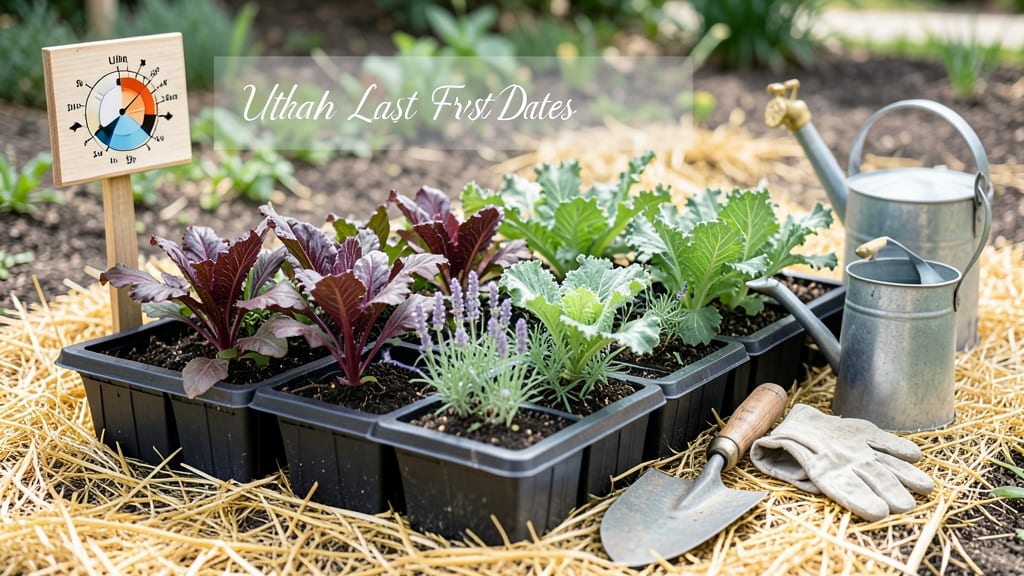
Planting a garden in Utah means timing it right to beat the frost and the heat—cool-season crops need to go in by mid-March in the north or early April in the south, while warm-season plants like tomatoes and peppers wait until late May or June.
Get it wrong, and you’re staring at wilted seedlings or bolting lettuce before you even harvest. But nail the window, and you’ll be feasting on homegrown veggies that outshine anything from the store.
The key? Knowing your USDA zone, adjusting for Utah’s microclimates, and avoiding the late-summer heat that can turn your garden into a sad, sun-scorched memory.
Whether you’re in Salt Lake City’s urban heat island or the cooler high desert near Moab, the right planting schedule makes all the difference.
Below, I break down the exact frost dates by region, the best crops for Utah’s short growing season, and how to stretch your harvest with simple tricks like row covers and mulch.
Ready to turn your backyard into a thriving garden? Let’s dive into the perfect planting calendar for Utah’s unique climate—so you can skip the guesswork and start growing like a pro.
Utah’s frost dates by USDA Zone: when to plant cool vs warm-season crops
Utah’s diverse USDA zones 4-7 create a gardening puzzle—where Park City’s Zone 5 freezes later than St. George’s Zone 8. Knowing your last frost dates is the key to avoiding frost damage on tender seedlings or missed harvests.
For example, spinach thrives in cool springs, while tomatoes need warm soil to germinate. Let’s break down when to plant by zone and crop type.
Northern Utah (Zones 5-6) has last frost dates around May 1-15, while southern Utah (Zones 7-8) can plant 2-4 weeks earlier. High-altitude areas like Moab (Zone 6) or Park City (Zone 5) face shorter growing seasons, so timing is everything.
Warm-season crops like peppers and cucumbers must wait until soil warms to 60°F+, while cool-season kale and peas can handle light frosts.
Here’s your Utah planting timeline by zone, crop type, and elevation adjustments:
For cool-season crops like spinach, kale, and peas, start seeds indoors 4-6 weeks before your last frost date. In Zone 5, that means early March for a spring harvest.
These plants tolerate light frosts (28°F), so don’t rush—soil prep is more critical than timing. Amend with compost to improve drainage, especially in Utah’s clay-heavy soils.
Warm-season crops like tomatoes, peppers, and cucumbers demand patience. Wait until soil temperatures hit 60°F+ (use a soil thermometer to check). In Zone 6, that’s usually mid-April, but in Zone 4, you might not plant until early June.
For high-altitude gardens, black plastic mulch can warm soil by 5-10°F, letting you plant 2 weeks earlier.
Utah’s microclimates add complexity. For example, Salt Lake City’s urban heat island can be 5°F warmer than nearby suburbs, while Cache Valley stays cooler at night. Adjust planting dates by 1-2 weeks if your garden sits in a frost pocket or near water bodies.
Always monitor local weather forecasts—a late frost in May can wipe out unprotected seedlings.
Pro tip: Use row covers or cold frames to extend your cool-season harvests into early summer or warm-season crops later into fall. In Zone 5, you can often grow kale or broccoli until October with protection.
For high-altitude gardens, prioritize fast-maturing varieties (e.g., ‘Early Girl’ tomatoes) to maximize your short season.
Remember, Utah’s dry climate means consistent watering is just as important as timing. Newly planted seeds need moisture every 2-3 days
Best planting schedule for Utah’s top 10 garden vegetables (with local tips)
Utah’s short growing season and variable frost dates demand precision when planting your garden. I’ve grown vegetables here for over a decade, and the difference between a bountiful harvest and wilted disappointment often comes down to timing.
Whether you're in Salt Lake City’s urban heat island or Moab’s high desert, these local tips will help you maximize your yield.
For Utah’s top 10 vegetables, I’ve broken down the best planting windows, soil prep tricks, and how to extend your season with row covers or cold frames. These crops were chosen based on yield potential, local popularity, and adaptability to Utah’s climate.
Let’s dive into the schedule that’ll have your garden thriving from spring to fall.
- 1
- 2
- 3
- 4
- 5
One of my biggest mistakes was planting tomatoes too early in northern Utah. The soil stayed too cold, and seedlings rotted before they could establish. Now, I wait until mid-May in Zone 5 and use straw mulch to keep roots cool during Utah’s hot summers.
For peppers and eggplants, I start seeds indoors in March and transplant after Memorial Day to avoid late spring frosts.
Utah’s dry climate means water efficiency is key. I’ve found that drip irrigation with soaker hoses saves water and keeps foliage dry, reducing fungal diseases like powdery mildew.
For leafy greens, I water deeply every other day in summer, while root crops like carrots and beets need consistent moisture but hate soggy soil. A 5-gallon bucket of water per plant weekly is a good rule of thumb.
Don’t forget to harvest regularly to encourage production. I learned this the hard way with zucchini plants—if you let them go, you’ll end up with a mountain of squash and no more flowers!
For herbs like basil and cilantro, I harvest leaves in the morning when oils are most concentrated. Utah’s intense sunlight can make herbs bolt quickly, so keep them well-watered and shaded during peak summer heat.
With these localized planting tips, you’ll avoid common pitfalls and enjoy a productive garden from spring to fall. Whether you’re growing heirloom tomatoes or drought-resistant kale, timing is everything in Utah’s challenging climate. Happy gardening!