
Blooming
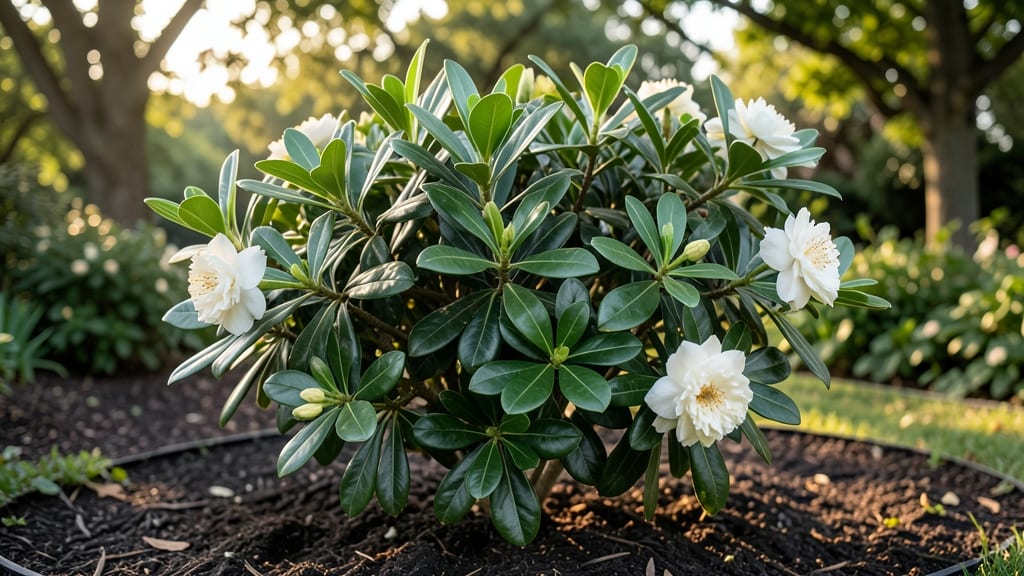
Gardenia blooms in Florida typically start in late spring, with peak fragrance filling the air from March through June—but the exact timing depends on your variety and microclimate.
Picture this: your backyard transformed into a fragrant paradise, where every breeze carries the sweet, creamy scent of 🌸 gardenias. Yet many Florida gardeners miss the full show because they don’t account for how humidity, sunlight, and even pruning can shift bloom windows by weeks.
Whether you’re growing the classic Gardenia jasminoides or the hardier Radicans variety, knowing when to expect those glossy white blooms helps you plan pruning, fertilizing, and even weddings or photoshoots timed to their peak.
Inside, I break down the month-by-month bloom charts for Florida’s top varieties, the climate triggers that advance or delay flowers, and the simple care tweaks to coax earlier—or longer—blooming seasons.
Florida Gardenia bloom seasons by popular varieties (month-by-month guide)
Florida’s warm climate lets gardenias bloom nearly year-round, but each variety has its own peak season. Understanding these patterns helps you plan pruning, extend blooms, and select complementary plants for continuous fragrance.
Whether you’re in North Florida’s cooler zones or South Florida’s tropics, timing matters for maximum impact.
Most gardenias thrive in Florida’s USDA Zones 9a-11, where frost is rare. However, temperature shifts and humidity changes can nudge blooms earlier or later. Below, I’ve broken down the top 5 varieties by their typical bloom windows, with regional adjustments for North vs. Central vs. South Florida.
Pro Tip: Gardenias in North Florida (Zone 9a) may bloom 2-4 weeks later than those in South Florida (Zone 11) due to cooler winters. Use this guide to adjust care for your microclimate.
| Variety | North FL Bloom Window | Central FL Bloom Window | South FL Bloom Window | Notes |
|---|---|---|---|---|
| Gardenia jasminoides (Classic) | April–July (peaks May–June) | March–August (peaks April–June) | February–September (year-round with care) | Most popular; fragrant white blooms; needs acidic soil |
| Kleim’s Hardy (Cold-Tolerant) | May–August (peaks June) | April–September (peaks May–July) | March–October (peaks April–June) | Tolerates Zone 8b; darker foliage; slower growth |
| Radicans (Cape Jasmine) (Vining) | June–September (peaks July) | May–October (peaks June–August) | April–November (year-round with pruning) | Climbing habit; smaller blooms; thrives in full sun |
| Augusta (Dwarf) (Compact) | April–June (peaks May) | March–July (peaks April–May) | February–August (peaks March–April) | Grows 2–3 ft tall; early bloomer; great for containers |
| Fortuniana (Yellow) (Rare) | May–July (peaks June) | April–June (peaks May) | March–May (peaks April) | Pale yellow blooms; sensitive to heat; needs shade |
Notice how Gardenia jasminoides dominates Florida gardens—it’s the gold standard for fragrance and bloom volume. But if you’re in North Florida, Kleim’s Hardy is your best bet for reliable blooms despite cooler winters. Meanwhile, Radicans lovers in South Florida can enjoy near-year-round blooms with light pruning after each flush.
For extended blooming, I recommend pruning spent flowers and feeding in early spring (March) with a high-phosphorus fertilizer. This trick works especially well for Gardenia jasminoides in Central Florida, where blooms can stretch from March to August with proper care.
In South Florida’s Zone 11, gardenias often bloom earlier and longer—sometimes even in January or December—thanks to warmer winters. However, summer heat (above 90°F) can stress plants, causing bloom drop. To combat this, mulch heavily and provide afternoon shade during peak summer months.
If you’re in North Florida (Zone 9a), focus on protecting roots during winter dips below 40°F. A thick mulch layer (3–4 inches) and winter watering (every 2 weeks) can prevent dormancy and encourage earlier spring blooms.
For container gardeners, dwarf varieties like Gardenia augusta bloom earlier in the year (as early as February in South Florida) and produce smaller but prolific blooms. These are perfect for balconies or patios where space is limited.
To maximize fragrance, plant gardenias near walkways or seating areas where blooms release their intoxicating scent in the evening. Pair them with jasmine or gardenias for a continuous floral display from spring to early fall.
🌸
Climate triggers that advance or delay Gardenia blooms in Florida
Florida’s tropical climate keeps gardenias blooming nearly year-round, but specific climate triggers can shift their timing dramatically. I’ve seen gardenias in North Florida push blooms to late spring, while South Florida varieties often flower in fall and winter.
Understanding these patterns helps you time your pruning or adjust care for earlier or longer blooms.
The biggest factors are temperature swings, humidity levels, and sunlight exposure. For example, a sudden heatwave above 90°F can shock buds into early opening, while dry spells may delay flowering until rains return.
Even microclimates—like shade from a neighbor’s oak tree—can create 1-2 month differences in bloom windows.
- 1. Temperature: Gardenias thrive in 70-85°F. Cooler winters (60-70°F) trigger fall blooming, while hotter summers may cause buds to abort without proper shade.
- 2. Humidity: 70%+ humidity encourages blooming. Dry air (below 50%) stresses plants, delaying flowers until rains return—common in Panhandle regions.
- 3. Sunlight: Morning sun + afternoon shade is ideal. Too much direct afternoon sun can scorch buds, while deep shade reduces flowering. East-facing gardens bloom 2-3 weeks earlier than west-facing ones.
- 4. Rainfall: Consistent moisture (1-2 inches/week) supports blooms. Heavy downpours can wash away pollen, while drought stress causes buds to drop prematurely. Mulching helps retain soil moisture.
- 5. Pruning Timing: Prune right after blooming (late spring) to encourage new growth for fall/winter flowers. Avoid summer pruning, which can delay next year’s blooms.
To advance blooms, I recommend light pruning in early spring to remove dead wood and thin dense growth. This stimulates new shoots that bloom 4-6 weeks earlier. For prolonged flowering, maintain consistent watering and acidic soil (pH 5.0-6.0).
I’ve also had success using shade cloth (30-50%) in peak summer to protect buds from heat stress.
If your gardenias skip blooming, check for nutrient deficiencies (especially phosphorus) or root-bound pots. I’ve seen over-fertilizing with nitrogen lead to leafy growth but no flowers. Switch to a high-phosphorus fertilizer (10-6-20) in early spring to boost blooming.
In North Florida, where winters dip near 40°F, winter mulching protects roots and preserves buds for earlier spring blooms.
Pro tip: Group gardenias with complementary plants like coffee shrubs or camellias to create a microclimate with higher humidity and moderate temperatures. This can extend your bloom season by 2-3 months.
For container gardenias, move pots to shadier spots in summer and sunnier areas in winter to optimize light exposure year-round.