
Watering
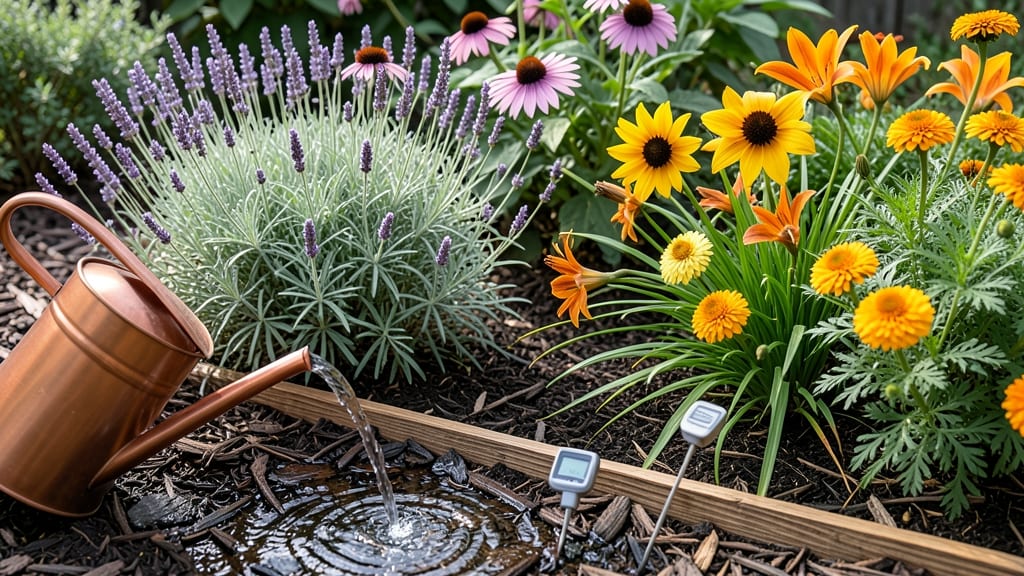
To water a flower garden properly, you’ll need a schedule that matches your local climate, soil, and the types of blooms you’re growing — because overwatering is just as deadly as letting them dry out.
Picture this: you’ve spent hours arranging your 🌸 Flower Garden, only to watch it wilt or develop brown edges because you either drowned the roots or left them parched. The secret isn’t guessing—it’s checking soil moisture, adjusting for heatwaves, and knowing when to pull back in cooler months.
In this guide, I’ll break down the exact watering intervals for spring’s new growth, summer’s thirsty blooms, and fall’s tapering needs—plus how to spot the subtle signs your flowers are begging for (or resisting) water.
By the end, you’ll have a customizable routine that keeps your garden lush without wasting a drop, no matter whether you’re in USDA Zone 6a or beyond.
Seasonal watering schedule for flower gardens by climate Zone
Watering your flower garden isn't one-size-fits-all—it depends on season, climate zone, and even flower types. In USDA zones 3-10, drought-resistant lavender and yarrow need far less water than thirsty petunias or impatiens.
Let’s break down the ideal schedule so your blooms stay vibrant without wasted effort or root rot.
Morning watering is always best—it reduces fungal diseases and gives roots time to absorb moisture before evening heat evaporates it. Evening watering can lead to damp foliage, inviting powdery mildew and blight. Stick to 6-9 AM for peak hydration without waste.
Climate zones 3-5 (cold winters) and 8-10 (mild winters) have opposite needs. Zone 3’s coneflowers might need bi-weekly watering in summer, while Zone 10’s geraniums can wilt without daily hydration. The table below maps it all out by season and zone.
Drought-resistant flowers like black-eyed Susans and bee balm thrive on less frequent watering once established, while tropical flowers such as hibiscus or canna lilies demand consistent moisture. Always check soil 1-2 inches deep—if it’s dry, water deeply until moisture reaches 6 inches down.
Mulch with 2-3 inches of organic mulch (straw or shredded bark) to lock in moisture and reduce evaporation. This is especially critical in Zone 8-10, where summer heat can dry soil in hours.
For container gardens, water daily in summer—pots dry out 3x faster than in-ground beds.
Signs of overwatering include yellowing leaves, mushy stems, and fungal spots, while underwatering shows as crispy edges and drooping blooms. Adjust your schedule based on these clues—your flowers will thank you with longer-lasting blooms.
In Zone 3-5, winter watering is minimal—just enough to prevent soil freezing. Focus on spring prep by watering before the first bloom to jumpstart growth. For Zone 8-10, extend watering into late fall to support winter-blooming varieties like pansies.
Pro tip: Use a rain gauge to track natural precipitation. If you’ve had 1 inch of rain, skip your scheduled watering for the week. This saves water and prevents root suffocation from soggy soil.
Finally, group flowers by water needs in your garden layout. Place thirsty varieties near sprinklers and drought-tolerant ones in hot, sunny spots. With this schedule, your flower garden will stay lush, healthy, and full of color year-round.
Signs your flower garden needs water (and when to hold back)
Your flower garden speaks volumes through subtle cues—if you know what to listen for. Wilting leaves or drooping stems are classic thirst signals, but they’re not always clear-cut. Some flowers, like marigolds, wilt dramatically when dry, while others, such as petunias, may simply look dull.
The key is checking the soil moisture before assuming your plants need a drink. Stick your finger 1-2 inches deep; if it feels dry, it’s time to water. But if it’s damp, hold off—overwatering is just as deadly as underwatering.
Leaf color changes are another red flag. Yellowing leaves often signal overwatering, especially if the soil feels soggy or has a musty smell. In contrast, brown, crispy edges on leaves usually mean the roots are desperate for moisture.
Pay attention to the growth rate too: stunted growth or flowers that refuse to bloom can indicate chronic underwatering. Even pests like aphids thrive in stressed plants, so keeping your flowers hydrated also deters unwanted visitors.
💧 Key Takeaway: How Often to Water Your Flower Garden
🌿 Pro Tip: Always water in the morning to reduce evaporation and fungal risks. Deep watering (1-2 inches per session) encourages strong root growth.
Root health is the ultimate litmus test. Gently tug on a plant—if it pulls out easily, the roots aren’t anchoring well due to lack of water. Conversely, if the soil feels waterlogged or roots appear mushy, you’ve overdone it.
For container gardens, check the weight: a dry pot feels light as a feather, while a saturated one is heavy and soggy. Adjust your watering based on the pot material too—terracotta dries faster than plastic.
Not all flowers have the same thirst levels. Drought-tolerant varieties like lavender or succulents can go weeks without water, while tropical blooms such as hibiscus need consistent moisture. Group plants with similar water needs together to simplify care.
Mulching with straw or wood chips helps retain moisture, reducing how often you need to water. Just remember: 3 inches of mulch is ideal—any more can suffocate roots.
Timing matters just as much as quantity. Watering in the late afternoon or evening can lead to fungal diseases like powdery mildew, while midday watering wastes water to evaporation. Aim for early morning (before 10 AM) to give plants a full day to absorb moisture.
If you’re unsure, perform the "squeeze test": grab a handful of soil—if it crumbles easily, water; if it stays clumped, wait a day or two.
Even the most experienced gardeners sometimes misjudge. If your flowers show signs of stress, pause watering for 24 hours to assess. Yellow leaves? Reduce frequency. Wilted but still firm stems? Increase hydration. And if your soil feels compacted, aerate it to improve drainage.
The goal is consistency: healthy flowers thrive on a predictable routine, not guesswork. With these cues, you’ll master the art of keeping your garden perfectly hydrated—without a drop wasted.