
Tools
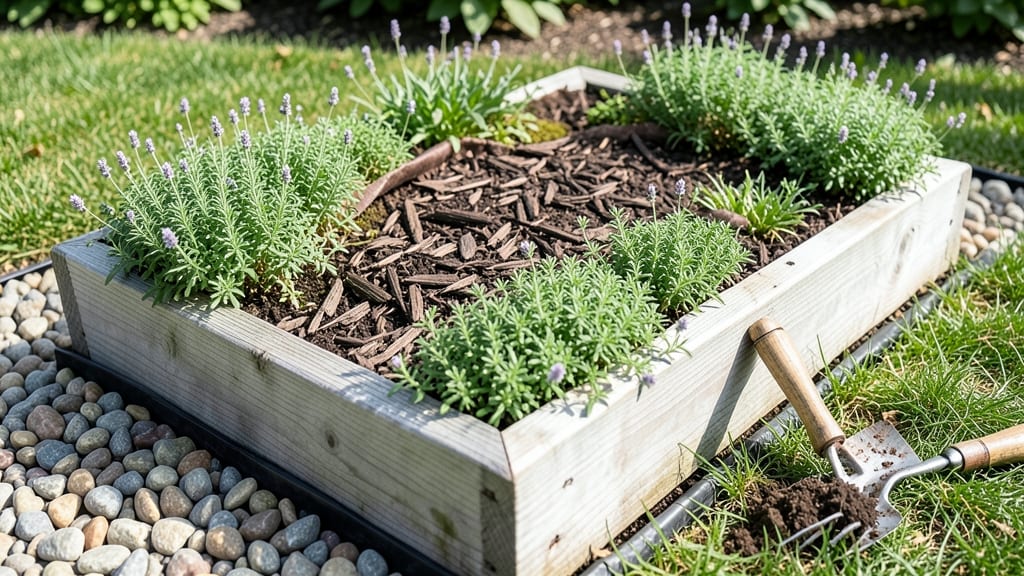
When deciding what to put around raised garden beds, surrounding them with landscape fabric or organic mulch helps suppress weeds and preserve soil moisture, while gravel or pavers enhance drainage and create clean borders. Your choice depends on whether you prioritize soil health or long-term durability.
Landscape fabric acts like a barrier, keeping weeds at bay without smothering the soil, while mulch like wood chips or straw breaks down over time to enrich the earth. 🌱 On the other hand, gravel or pavers create a more polished look but may require extra effort to install and maintain.
I always recommend testing a small section first—some plants, like strawberries, actually thrive when partially buried in mulch, while others need clear borders to prevent spreading.
Another key factor is your local climate. In rainy areas, gravel works wonders for drainage, while in dry regions, organic mulch helps retain precious moisture. For high-traffic garden paths, pavers offer both functionality and aesthetics, though they can get pricey.
The best solution often combines materials—for example, using fabric underneath mulch to prevent weeds while keeping the soil healthy.
💡 In This Article
- Best Materials for Raised Garden Bed Edging: Pros and Cons
- How to Choose Edging for Long-Term Garden Health
Best materials for raised garden bed edging: pros and cons
The choice between organic and inorganic edging materials fundamentally alters your garden's ecosystem. Organic options like wood chips or straw mulch decompose over time, gradually enriching the soil with nutrients as they break down.
This process, called "composting in place," can add 1-2% organic matter annually to the soil, improving its structure and water retention. The downside? These materials require annual replenishment—typically 2-3 inches—to maintain effectiveness, especially in high-traffic areas where they compact.
Inorganic materials like gravel or pavers offer durability but lack the soil-enriching benefits. Gravel, with its 0.25-1 inch particle size, creates excellent drainage by allowing water to percolate through at a rate of 1-2 inches per hour, ideal for sandy soils or regions with heavy rainfall.
Pavers, on the other hand, provide a polished look while preventing soil erosion from foot traffic. However, they can overheat in full sun—surface temperatures can reach 120-140°F—which may stress heat-sensitive plants like lettuce or spinach planted nearby.
Weed suppression works differently with each material. Landscape fabric blocks 90-95% of light needed for weed seeds to germinate, but it doesn't prevent existing weed roots from spreading sideways. Organic mulch smothers weeds by depriving them of sunlight while also suppressing fungal spores that cause diseases like damping-off.
The trade-off? Organic mulch can attract pests like slugs if it stays too damp, while inorganic options create a cleaner but less dynamic environment for beneficial insects.
Cost-effectiveness varies dramatically by material. A 2-inch layer of wood chips costs about $3-5 per square foot and lasts 1-2 years before needing replacement, while gravel runs $1-3 per square foot but lasts 5-10 years with minimal maintenance.
Pavers are the most expensive upfront at $5-15 per square foot but offer the longest lifespan of 15-25 years when properly installed. For budget-conscious gardeners, a hybrid approach—using fabric under mulch—can combine weed suppression with soil enrichment at a 30-40% lower cost than inorganic options.
Consider your garden's specific needs when choosing. For vegetable gardens, organic mulch creates a healthier soil ecosystem, while flower beds benefit from the neat appearance of pavers. In clay-heavy soils, gravel's drainage properties prevent waterlogging, while in dry climates, mulch's moisture-retaining qualities become invaluable.
The material you choose isn't just about aesthetics—it's about creating the right microclimate for your plants to thrive.
Pro tip: If you're torn between options, test a 1-foot square of each material in different sections of your garden. Observe how each affects soil temperature (use a soil thermometer), moisture levels (check with your finger), and plant growth over 3-4 weeks
This hands-on approach often reveals which materials work best for your specific conditions.