
Tools
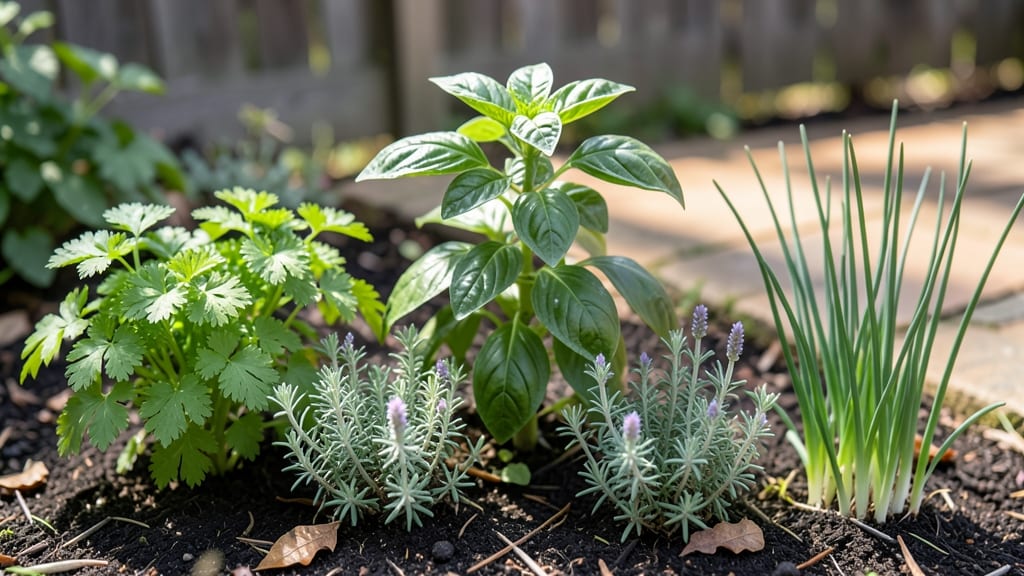
Creating a raised patio garden bed starts with choosing durable materials like cedar or composite lumber, measuring your patio space precisely, and building a sturdy frame with proper drainage layers and nutrient-rich soil. Keep the width between 2-4 feet for easy reach and height between 6-12 inches for optimal root growth.
A raised patio garden bed transforms limited outdoor space into a productive growing area while protecting plants from soil-borne diseases and improving drainage. 🌱 The key to success lies in the construction—using rot-resistant materials like cedar or treated lumber ensures your bed lasts seasons, while proper layering (gravel base, compost, and topsoil) creates an ideal growing environment.
For small patios, consider vertical gardening options or tiered designs to maximize space without sacrificing accessibility.
Once built, focus on plant selection that thrives in containers—herbs like basil and thyme, compact veggies such as cherry tomatoes, and flowering plants like petunias all perform beautifully. Regular maintenance, including weekly watering and monthly soil checks, keeps your patio garden flourishing year-round.
The best part? You can start small with just a few square feet and expand as your green thumb grows!
💡 In This Article
- Choosing Materials and Design for Durable Raised Patio Beds
- Layering Soil and Planting Strategies for Small-Space Patio Gardens
Choosing materials and design for durable raised patio beds
When selecting materials for your raised patio bed, cedar and redwood stand out due to their natural resistance to rot and insects, making them ideal for outdoor exposure. Cedar, in particular, contains oils that repel pests and resist moisture, while redwood's tannins provide similar protection.
For a more budget-friendly option, composite lumber (made from recycled wood fibers and plastic) offers durability without the maintenance—just ensure it's labeled for outdoor use. Avoid untreated pine or pressure-treated lumber containing arsenic, as these can leach chemicals into your soil over time.
The dimensions of your patio bed directly impact usability and plant health. A width of 2-4 feet ensures easy reach from all sides without stepping into the bed, while a height of 6-12 inches provides adequate root depth for most vegetables and herbs.
For drainage, incorporate a 2-3 inch layer of gravel or landscape fabric at the bottom to prevent waterlogging, which can suffocate roots and invite fungal growth. Corner brackets or galvanized screws (not nails) secure the frame, as they resist rust and provide structural integrity for years.
Designing your patio bed also depends on your patio's layout. If space is tight, consider a U-shaped or horseshoe design to create a central walking path while maximizing planting area. For small patios, modular beds with removable sides allow flexibility to reconfigure as needed.
Always position the bed where it receives at least 6-8 hours of sunlight daily, as most edible plants thrive in full sun. The orientation matters too—place the long side east-west to minimize shading from nearby structures.
Alternative materials like stone or metal offer unique aesthetics but require different considerations. Stone (like pavers or bricks) provides a permanent, low-maintenance base but may need additional insulation to prevent heat from damaging plant roots.
Metal beds (galvanized steel or aluminum) are lightweight and rust-resistant but can overheat in summer—painting them with a light-colored, heat-reflective paint helps mitigate this. Each material trades off between cost, durability, and ease of assembly, so weigh your priorities before committing.
One often-overlooked detail is the bed's base. If placing directly on concrete or pavement, use landscape fabric or hardware cloth to prevent weeds from growing between the bed and the surface.
For ground-level installations, a 4-6 inch deep trench filled with gravel elevates the bed slightly, improving drainage and reducing soil compaction. This extra step can extend your bed's lifespan by years, especially in areas with heavy rainfall or clay soil.
For longevity, avoid placing your raised bed in low-lying areas where water pools after rain. Even with proper drainage layers, standing water will eventually compromise the structure. Instead, opt for a slightly elevated spot with a gentle slope away from the bed.
This small design tweak prevents water from seeping into the wood or composite materials, keeping your patio garden both productive and durable for seasons to come. 🌿