
Flowers
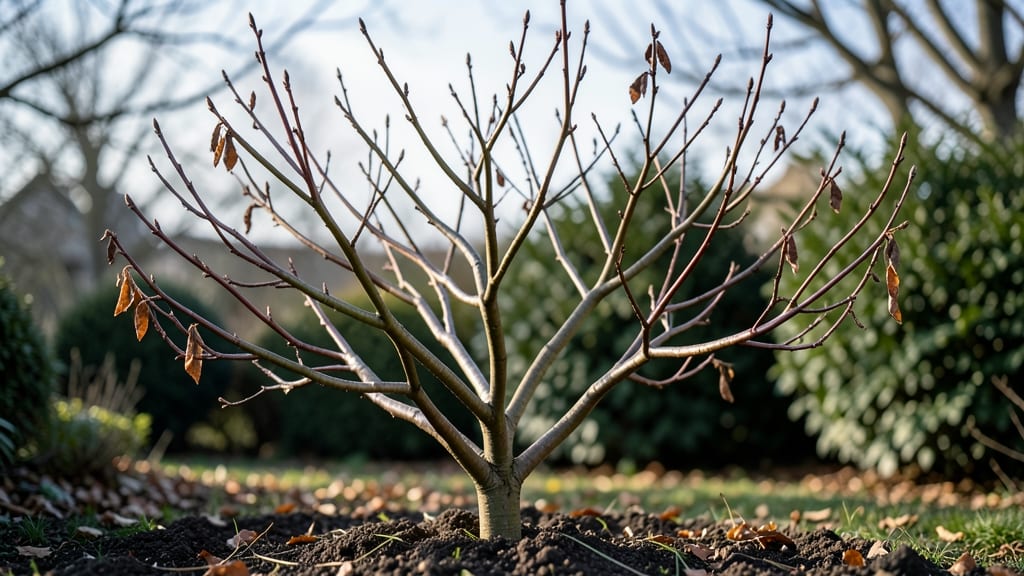
What do gardenias look like in winter? They transform dramatically—some strip down to bare branches while others cling to evergreen leaves, and knowing the difference saves you from overwatering or pruning too soon.
If you’ve ever wondered whether your 🌸 gardenias will vanish in winter or simply transform, you’re not alone. Many gardeners struggle to recognize these fragrant shrubs in their dormant or evergreen states.
The answer depends on the type, location, and care they receive, and knowing the difference can save you from mistaking them for dead plants.
Dormant gardenias, like the classic Gardenia jasminoides, shed most of their leaves by late fall, leaving woody stems that may look stark against winter’s chill. Evergreen varieties, however, keep their glossy foliage year-round, though they may slow growth or drop older leaves in harsh freezes.
In this guide, I’ll break down how to identify winter gardenias, whether they’re deciduous or evergreen, and share care tips—like mulching and pruning—to keep them thriving until spring blooms return.
How dormant gardenias change appearance in winter (and how to identify them)
When winter arrives, your Gardenia jasminoides may seem like they’ve disappeared—but they’re likely just undergoing a natural dormancy. Unlike evergreen varieties, deciduous gardenias shed their leaves to conserve energy, leaving behind bare stems and shriveled buds.
This transformation can be alarming if you’re not prepared, but recognizing these seasonal changes is key to keeping your plant healthy.
First, examine the stem structure. Dormant gardenias develop woody, brownish stems with tightly packed buds along the branches. These buds are your plant’s promise of spring blooms, so don’t prune them off! The stems may also appear shrunken or twisted due to cold temperatures, but this is normal.
If you notice mushy stems or blackened leaves, that’s a sign of rot or disease, not dormancy.
The biggest giveaway is the leaf loss. Deciduous gardenias drop all their foliage, leaving behind a skeletal framework of branches. This is their way of conserving water and energy during colder months.
Evergreen gardenias, on the other hand, retain some leaves, so if your plant still has green foliage, it’s likely a different variety. Leaf drop in winter is a clear sign of dormancy, not death.
| Feature | Dormant Gardenia (Winter) | Dead Gardenia |
|---|---|---|
| Leaves | Completely absent; bare stems | Crispy, brown, or mummified leaves still attached |
| Stems | Woody, brownish with tight buds | Soft, shriveled, or blackened stems |
| Buds | Visible, plump buds along branches | No buds; empty or rotting stems |
| Root Health | Healthy if firm and white when checked | Black, mushy roots or foul odor |
| Winter Care | Mulch heavily and reduce watering | Remove dead plant to prevent disease |
One common mistake is pruning dormant gardenias too early. Wait until late winter or early spring (after the last frost) to trim back any dead or crossing branches. This ensures you don’t accidentally remove next year’s flowering buds, which are already forming.
If you’re unsure whether a branch is dead, scratch the bark—if it’s green underneath, it’s still alive.
Pests can also mimic dormancy, so keep an eye out for aphids or spider mites, which love to hide in the crevices of dormant stems. Wipe down branches with a neem oil solution if you spot any signs of infestation, like sticky residue or webbing.
Healthy dormant gardenias won’t have these issues, so this is another way to confirm your plant is just resting.
To encourage a stronger spring rebirth, apply a 2-3 inch layer of mulch around the base of your gardenia. This insulates the roots from freezing temperatures and retains moisture. Avoid overwatering, as soggy soil in winter can lead to root rot.
Water only when the top 1-2 inches of soil are dry, usually every 2-3 weeks depending on your climate.
By springtime, your dormant gardenia will begin to push out new leaves and swollen buds. If you’ve cared for it properly, you’ll be rewarded with fragrant white blooms by summer.
The key is patience—dormancy is a natural survival strategy, not a sign of failure. With the right care, your gardenia will bounce back stronger than ever.
If you’re still unsure whether your gardenia is dormant or dead, dig up a small section of root and check for firm, white root tissue. Healthy roots are your best indicator that your plant is alive and just taking a winter nap. 🌱
Evergreen gardenias in winter: what to expect and how to care for them
If you’re growing evergreen gardenias like Gardenia augusta, you’ll notice they behave differently in winter compared to their deciduous cousins. These varieties keep their glossy, dark green leaves year-round, though they may slow growth or even drop some older foliage during cold snaps.
The key is understanding how to support them through the season without overdoing it.
Unlike dormant gardenias, evergreen types don’t lose all their leaves, but they do enter a resting phase. This means reduced blooming and slower metabolism, which affects how you should care for them.
The goal is to preserve their health so they burst back into fragrance and flowers when spring arrives.
What do gardenias look like in winter? Here’s what to expect:
- 🌿 Leaves stay green but may appear duller or slightly yellowed on older growth.
- 🌱 New growth slows—you’ll see fewer fresh leaves or buds forming.
- 🌡️ Stems may look bare in spots where leaves have dropped due to frost.
- 💧 Soil stays moist but not soggy—overwatering can stress the plant.
- ☀️ Sunlight needs adjust—they tolerate less sun in winter but still need some light.
To keep your evergreen gardenias thriving through winter, start with mulching. Apply a 2-3 inch layer of organic mulch around the base to insulate roots from temperature swings. This also helps retain moisture, which is crucial since winter air is drier and can desiccate leaves.
Adjust your watering schedule to match the plant’s reduced activity. Water bi-weekly instead of weekly, and only when the top inch of soil feels dry. Overwatering in winter can lead to root rot, especially if the plant isn’t actively growing.
A morning watering is best to prevent fungal issues from lingering moisture.
If you’re in a colder climate (USDA Zones 7-8), consider wrapping the shrub with burlap or frost cloth during unexpected freezes. Focus on protecting the tips of branches where new growth will emerge in spring.
Avoid heavy pruning now—wait until late winter or early spring to shape the plant and remove any dead or damaged branches.
With these adjustments, your evergreen gardenias will reward you with vibrant foliage and spring blooms that smell like heaven. The key is patience and gentle care—no dramatic changes, just steady support to carry them through the cold months.