
Pests
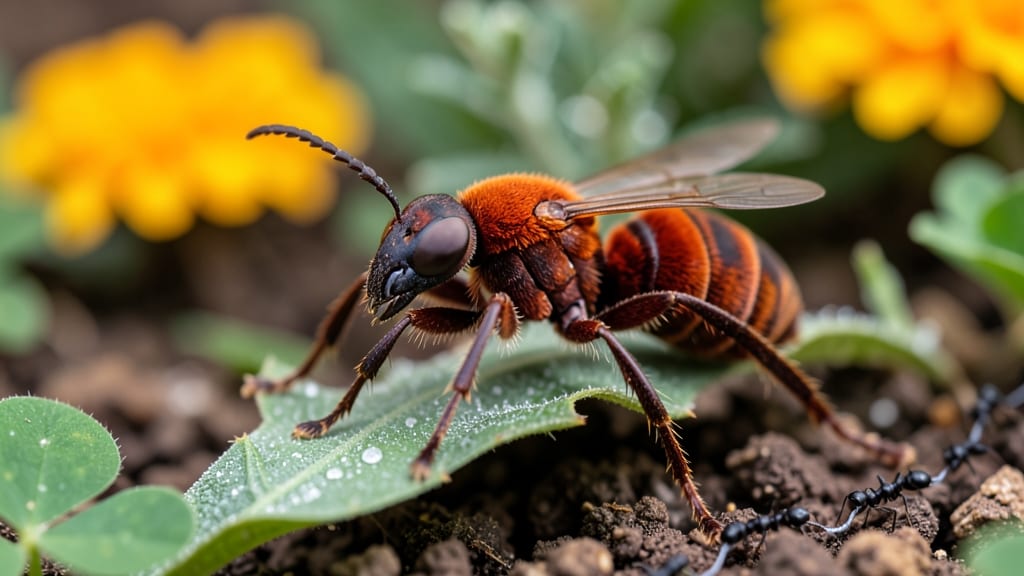
What eats ants in your garden includes natural predators like robins and chickadees, ground beetles and lacewings, and small mammals such as shrews and toads. These creatures help control ant populations organically, maintaining garden balance without the need for chemical interventions.
Ants are a common garden pest, but many native wildlife species rely on them as a key food source. 🌿 Birds like robins and chickadees actively hunt ants for protein, while ground beetles and centipedes patrol the soil, consuming ant larvae and pupae.
Even amphibians such as toads and salamanders contribute by snacking on smaller ant species. The key to encouraging these predators is creating a welcoming habitat—planting native flowers, leaving leaf litter for shelter, and avoiding pesticides that harm both ants and their natural enemies.
This ecological balance isn't just about reducing ants—it also supports biodiversity. For example, lacewings lay their eggs on plants, and their larvae become voracious ant hunters. By fostering these relationships, you're not just solving a pest problem but also building a healthier ecosystem that thrives year-round.
💡 In This Article
- Top Ant-Eating Predators in Gardens and Their Hunting Habits
- How to Attract Ant Predators to Your Garden Naturally
Top ant-eating predators in gardens and their hunting habits
Birds like robins and chickadees are among the most effective ant hunters, using their sharp beaks to pluck individual ants from leaves and stems. 🌿 Robins, for instance, forage on the ground with their bills open, snatching ants as they move.
Chickadees, on the other hand, hover near foliage and pluck ants directly from plant surfaces. These birds can consume hundreds of ants daily, making them invaluable for controlling populations.
Their hunting success depends on the ants' slow movement—ants like sugar ants and pavement ants are particularly vulnerable due to their sluggish nature.
Ground beetles and lacewings are insect predators that target ant larvae and pupae hidden in the soil.
Ground beetles, with their elongated bodies and powerful jaws, can devour up to 80 ant larvae in a single night. 🌱 Lacewings, meanwhile, lay eggs on plants, and their larvae—called "aphid lions"—become mobile ant hunters, using their sharp mandibles to pierce ant exoskeletons.
These insects thrive in gardens with diverse plant life, as their prey relies on plant debris for shelter. Their presence is often indicated by tiny, lace-like wings or the hollow, chewed remains of ant pupae in the soil.
Small mammals like shrews and toads play a less visible but equally critical role in ant control.
Shrews, which are active both day and night, consume ants as a primary protein source, especially during breeding season when their energy demands spike. 🐾 Toads, with their sticky tongues, can catch ants on the move, though they prefer smaller species like fire ants.
Their effectiveness is tied to moisture levels—shrews need damp soil to dig for ant nests, while toads rely on standing water for hydration. These mammals are often overlooked because they spend most of their time hidden under logs, rocks, or dense ground cover.
What most gardeners don’t realize is how these predators work together in a food web. For example, robins might flush out ants from the soil, making them easier for ground beetles to find.
Similarly, toads and shrews create microhabitats that benefit lacewings by reducing ant competition for resources. 🔥 This interconnectedness means that supporting one predator—like planting flowers to attract lacewings—indirectly benefits others. The key is providing the right conditions for all these species to coexist, rather than targeting ants directly.
Ant species also influence predator success. Carpenter ants, with their larger size and aggressive behavior, are harder for birds to handle, but ground beetles can still target their larvae.
Meanwhile, tiny pharaoh ants are more vulnerable to lacewing larvae due to their slow movement. 🌿 Understanding these dynamics helps gardeners predict which predators will thrive in their specific environment.
For instance, a garden with sandy soil might attract more shrews, while one with dense mulch will draw in ground beetles. Tailoring habitat features to match local ant species maximizes predator efficiency.
One surprising detail is how predators adapt to ant behavior. Some birds, like nuthatches, have been observed using ants as a "cleaning" tool—rubbing their feathers against ant bites to repel parasites. 💫 This mutualistic relationship shows how ants, despite being pests, play a role in the broader ecosystem.
By encouraging these predators, gardeners aren’t just reducing ant numbers; they’re preserving a natural balance that keeps the garden thriving without artificial interventions.