
Planting
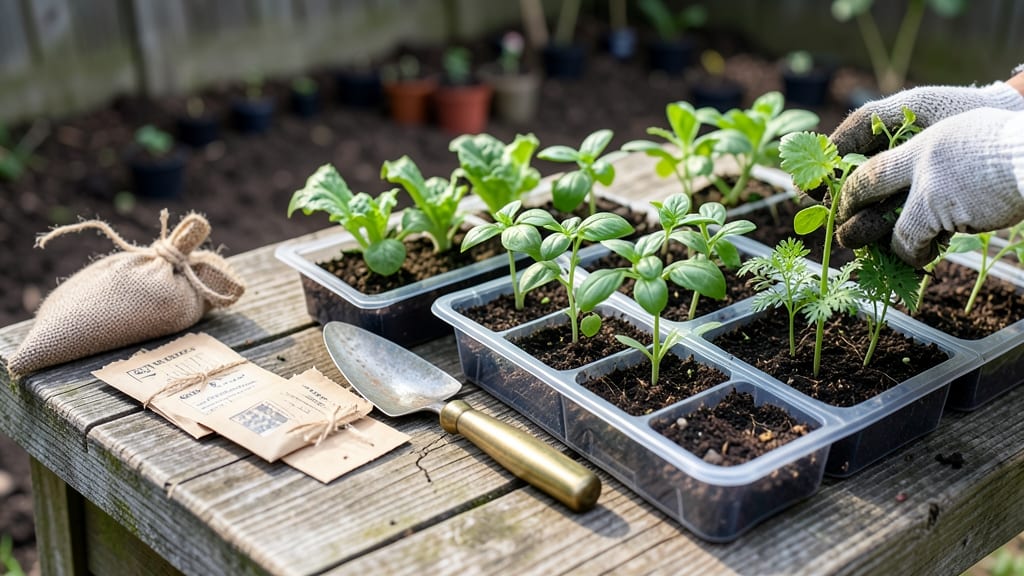
Sowing in gardening means planting seeds directly into soil to grow new plants, whether outdoors or in containers. This method includes broadcasting, drilling, or hand-planting seeds at the right depth and spacing for optimal germination and growth.
When you sow seeds in gardening, you're essentially giving plants their start in the ground where they'll eventually grow. 🌱 Unlike transplanting, which involves moving young plants from pots to soil, sowing lets you begin with seeds—whether you scatter them across a flower bed or carefully place them in rows.
This method gives you more control over plant genetics and often costs less than buying mature plants. The key is creating the right conditions: proper moisture, warmth, and light to trigger germination.
For beginners, I recommend starting with easy-to-grow seeds like marigolds or lettuce. These plants tolerate a wider range of conditions, making them perfect for practicing seed sowing techniques. You'll also need basic tools like a small hand trowel, seed trays, and a spray bottle for gentle watering.
Timing matters too—most gardeners wait until after the last frost date in spring to sow outdoor plants, while indoor starting can begin 6-8 weeks before the last frost.
💡 In This Article
- How Seed Sowing Differs From Transplanting Plants
- Best Practices for Successful Seed Sowing in Gardens
How seed sowing differs from transplanting plants
The core difference between sowing seeds and transplanting lies in the plant's starting point. When you sow seeds, you're initiating growth from scratch in the soil where they'll mature—whether that's your garden bed, a container, or a seed tray.
This process begins with germination, where the seed absorbs moisture and swells, breaking through its outer shell to form a seedling. Transplanting, on the other hand, skips this early stage by moving already-established seedlings (often 2-4 inches tall) from pots or trays into the ground. 🌱
Sowing offers gardeners greater genetic diversity since you can choose from thousands of seed varieties unavailable as transplants. For example, heirloom tomato seeds like 'Brandywine' or 'Cherokee Purple' are typically sold only as seeds, not as seedlings. The trade-off?
Seeds require precise conditions: consistent moisture (keep soil damp but not soggy), temperatures between 60-75°F for most vegetables, and proper light exposure (either natural or under grow lights). Transplants bypass these early challenges but often cost more and may lack the same genetic purity.
Another key distinction is timing. Direct sowing into garden beds must align with the plant's frost tolerance—like planting lettuce after the last frost date in spring or beans in late summer for fall harvests.
Indoor seed starting (like basil or peppers) gives you a head start, but it requires additional equipment like seed trays, heating mats (70-75°F for optimal germination), and grow lights. Transplants, however, can be planted anytime the soil is workable, making them ideal for gardeners with shorter growing seasons.
Consider the practical implications: sowing seeds gives you a longer growing season and access to unique varieties, but it demands patience and attention to detail. For instance, radishes germinate in just 3-5 days at 70°F, while tomatoes take 7-14 days and need warmth to sprout.
Transplants provide instant gratification but may struggle to adapt if their root systems were cramped in pots. I've found that mixing both methods—sowing fast-germinating crops like lettuce directly and transplanting slower starters like broccoli—often yields the best results.
Here's what most gardeners overlook: seedling quality matters just as much as seed quality. Poor germination rates (often caused by old seeds or improper storage) can leave you with weak seedlings.
For example, a packet of carrot seeds older than a year may have a germination rate below 50%, compared to 80-90% for fresh seeds. Transplants avoid this risk but may carry diseases if sourced from unreliable nurseries. 💡
For those new to gardening, I recommend starting with a mix of both methods. Try sowing easy seeds like radishes or lettuce directly in the garden while transplanting more delicate plants like tomatoes or peppers.
This approach lets you experience the benefits of each technique—cost savings and variety from seeds, convenience and reliability from transplants—without overwhelming your first season.