
Planting
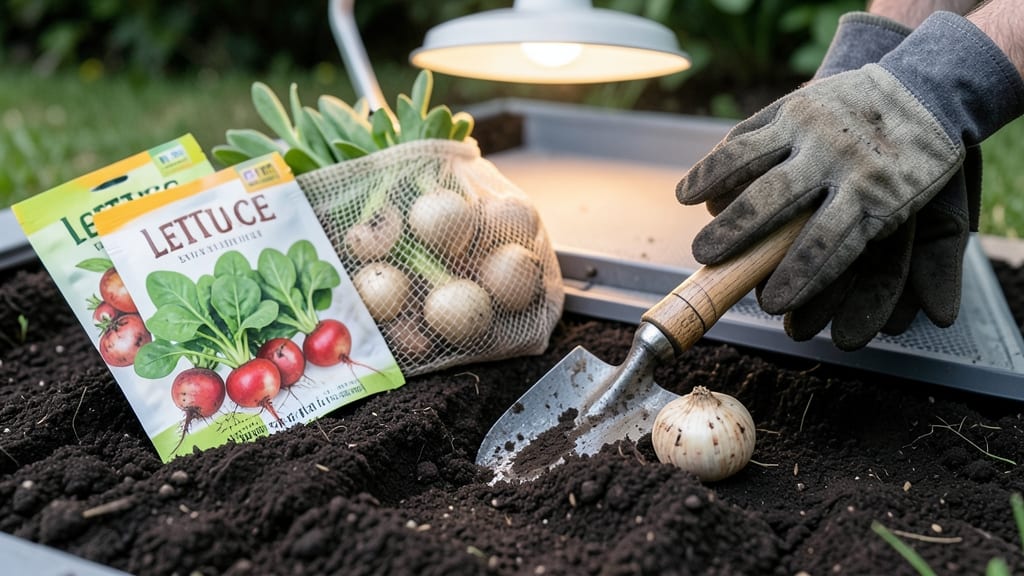
Gardeners can start planting seeds and bulbs now in frost zones 7-10, with cool-season crops like lettuce and pansies thriving in late winter, while tender varieties such as dahlias flourish in warmer climates. Timing your plantings with local frost dates ensures healthy growth by matching soil temperatures to each plant's needs.
Now is the perfect time to begin your planting season if you're in frost zones 7 through 10, where winter's chill has already softened. 🌱 Cool-season crops like lettuce and pansies can handle light frosts, so they're excellent early starters—just make sure to cover them if overnight temperatures drop below 25°F.
Meanwhile, tender bulbs like dahlias and cannas prefer warmer soil, so wait until daytime temperatures consistently stay above 60°F before planting. The key is checking your local frost dates and soil thermometer readings, as these guide when to plant for maximum success.
For those in zones 7-10, early planting gives your garden a head start. I always recommend preparing the soil first—adding compost or aged manure improves drainage and nutrient availability, which is especially important for bulbs.
If you're unsure about your frost zone, a quick online search or call to your local cooperative extension office will give you precise guidance tailored to your area. This small step can make all the difference between a thriving garden and a disappointing one.
💡 In This Article
- How Frost Zones Determine Seed and Bulb Planting Timing
- Best Early-Season Seeds and Bulbs to Plant by Region
How frost zones determine seed and bulb planting timing
The USDA frost zone system divides North America into 13 zones based on average annual minimum temperatures, which directly impact when seeds and bulbs can safely be planted. Each zone represents a 10°F temperature range—so zone 7 averages 0°F to 10°F, while zone 10 stays above 30°F.
This classification determines which plants can survive winter dormancy or thrive in your climate. For example, hardy bulbs like tulips (zone 3-8) can handle colder winters, while tender varieties like dahlias (zone 8-11) need warmer conditions to establish roots before cold snaps arrive. 🌡️
Seed viability also hinges on soil temperature, not just air temperature. Most cool-season seeds (like lettuce or spinach) germinate best when soil reaches 40-50°F, while warm-season varieties (tomatoes, peppers) need 60-70°F.
A soil thermometer is your best tool—planting too early in cold soil can cause seeds to rot, while waiting too long may delay growth.
Bulbs follow similar rules: hardy types (daffodils, crocuses) can go in fall when soil cools to 50°F, while tender bulbs (caladiums) wait until after the last frost when soil warms to 65°F.
What most gardeners overlook is how heat summation affects plant development. This is the total number of heat units (growing degree days) a plant needs to mature. Cool-season crops accumulate heat slowly, making them ideal for early planting, while warm-season plants require rapid heat accumulation.
For instance, a tomato plant in zone 10 might need 2,500 growing degree days to produce fruit, while the same variety in zone 7 would take nearly twice as long—explaining why early starts in warmer zones give you a harvest advantage. 🌱
Timing also depends on your specific frost dates. The "last frost" isn't a single day but a 10-day window when temperatures drop below 32°F less than half the time.
Planting tender seeds or bulbs before this window risks cold damage, while waiting too long may mean missing the optimal window for full-season growth.
For example, in zone 9, you might plant sweet potatoes in late spring when soil hits 65°F, but in zone 7, you'd wait until early summer to avoid frost.
One critical factor is bulb dormancy cycles. Hardy bulbs (like tulips) need a period of cold (40-50°F for 6-8 weeks) to bloom properly, while tropical bulbs (like cannas) require warm soil to break dormancy.
Planting them at the wrong time disrupts this cycle—tulips planted too late may not flower, while cannas planted too early can rot in cold soil. This is why zone 7 gardeners plant spring bulbs in fall, while zone 10 gardeners often wait until winter for cooler temperatures. ✨
Regional microclimates add another layer of complexity. Coastal areas (like San Francisco) may have milder winters than inland zones, while valleys can be warmer than surrounding mountains. Always check local records—your neighbor's zone might differ by 2-3 zones due to elevation or proximity to water.
For precise guidance, consult your county's agricultural extension service or use tools like the National Oceanic and Atmospheric Administration's frost maps for real-time data.
Understanding these factors transforms guesswork into strategy. By aligning your planting with your zone's heat summation, frost dates, and soil temperatures, you create ideal conditions for germination and growth. The result? A garden that thrives from the first seedling to the last harvest. 💫