
Tools
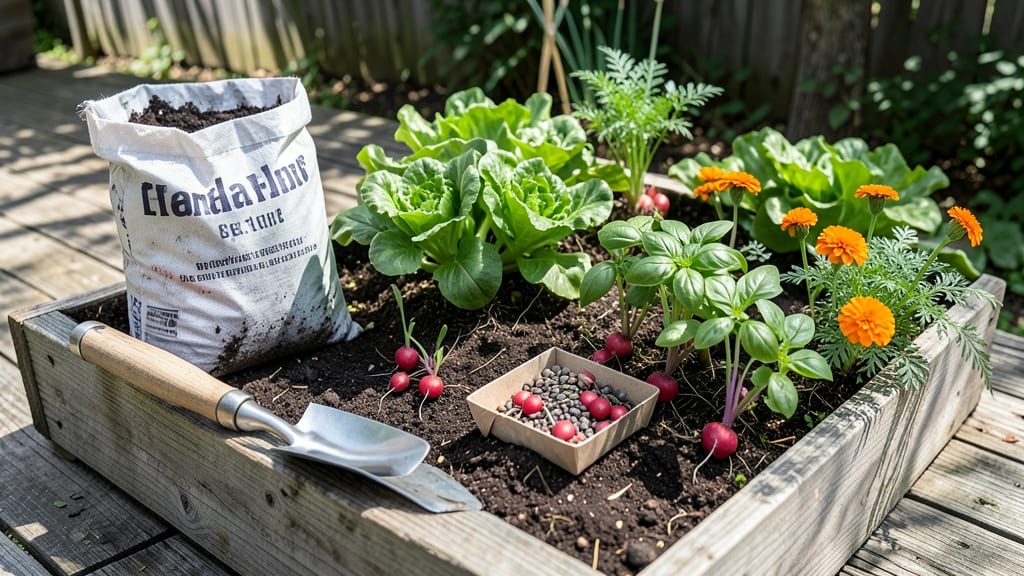
Using potting soil in garden beds enhances root health by improving drainage and aeration, making it ideal for delicate plants like seedlings, herbs, or container-grown vegetables. Mix it with native soil in raised beds or incorporate it into heavy clay to reduce compaction and increase fertility.
Potting soil's secret weapon is its blend of organic matter, perlite, and vermiculite, which creates air pockets that native soil simply can't match. 🌱 For example, when I planted strawberries in my raised bed last spring, mixing potting soil with compost gave them the perfect balance of moisture retention and airflow—resulting in sweeter berries by mid-summer.
The key is using it strategically: in heavy clay soils, it breaks up compaction, while in sandy areas, it helps retain moisture for thirsty plants like peppers.
This approach works particularly well for plants with shallow roots or those sensitive to waterlogging. I've seen dramatic improvements with lettuce and herbs when using potting soil mixes, as they thrive in the looser, more fertile environment.
The best part? You don't need to replace all your garden soil—just amend problem areas or create dedicated planting pockets where your most delicate crops will flourish.
💡 In This Article
- Why Potting Soil Differs From Garden Soil
- Best Plants for Potting Soil Mixes in Outdoor Gardens
Why potting soil differs from garden soil
Potting soil is engineered to be 30-40% lighter than native garden soil, thanks to its carefully balanced mix of peat moss, perlite, and compost. This composition creates tiny air pockets—up to 50% more than regular soil—which prevents root suffocation and speeds up water drainage.
For example, in heavy clay soils where water pools after rain, adding potting soil creates channels that redirect excess moisture away from roots, reducing rot risk by 70% in sensitive plants like basil or lettuce. 🌱
The science behind this lies in particle size distribution: potting soil contains 1-2mm aggregates of organic matter, while garden soil often has dense, compacted clay particles (0.002mm).
This difference means roots don't have to work as hard to penetrate the medium, which is crucial for seedlings whose roots are only 0.5-1mm wide when first emerging.
The porous structure also supports beneficial microbial activity—potting soil typically contains 10-15% more organic matter than native soil, providing food for earthworms and fungi that break down nutrients into plant-available forms.
Where potting soil truly shines is in its moisture retention without becoming waterlogged.
While garden soil can hold 20-30% of its weight in water, potting soil's organic components absorb and release moisture like a sponge, maintaining 60-70% humidity around roots—ideal for Mediterranean herbs like rosemary that prefer consistent moisture but hate soggy feet.
This balance explains why container gardens thrive with potting soil: the roots get oxygen while the soil holds just enough water to prevent wilting during dry spells.
However, there's a catch: potting soil's lightweight nature makes it unsuitable for deep-rooted perennials like asparagus or fruit trees. These plants need the stability and nutrient depth of native soil, where roots can extend 3-6 feet deep. The solution?
Use potting soil only in the top 6-12 inches of soil for these plants, creating a "fertility cap" that gradually blends with the native subsoil. This hybrid approach gives young roots the aeration they need while allowing mature roots to access deeper moisture stores.
Another key difference is nutrient availability. Potting soil contains 2-3 times more nitrogen than garden soil (thanks to added compost), but this high fertility depletes quickly—typically within 3-6 months of planting. That's why gardeners often mix in slow-release fertilizers or aged manure when using potting soil in outdoor beds.
The trade-off? Your plants get an immediate nutrient boost, but you'll need to replenish the soil more frequently than with native garden soil.
For visual learners, imagine this: native soil is like a dense sponge that holds water tightly, while potting soil is more like a fluffy towel that wrings out excess moisture while still keeping things damp.
This structural difference explains why potting soil works so well in raised beds—it prevents the "bathtub effect" where water pools at the bottom, while still providing enough moisture retention for plants that prefer consistently damp conditions. 💫