
Tools
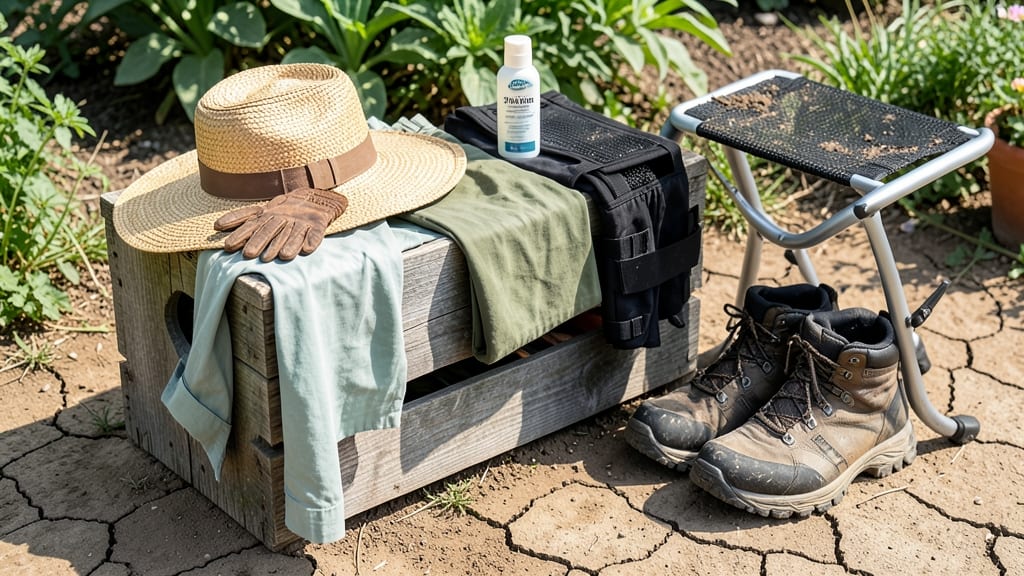
Gardeners wear protective clothing like long-sleeved shirts, durable pants, closed-toe shoes, and wide-brimmed hats to shield against sun exposure, insect bites, and plant debris while maintaining comfort and mobility. Seasonal adjustments—such as moisture-wicking layers for summer or insulated gear for winter—keep you safe and functional throughout the year.
Gardening isn't just about plants—it's about protecting yourself from the elements and potential hazards. 🌿 The right attire helps prevent sunburn, thorn punctures, and chemical exposure while keeping you cool in summer or warm in winter.
I've learned that lightweight, breathable fabrics like cotton blends or moisture-wicking synthetics are game-changers for hot days, while waterproof layers and insulated gloves become essential when temperatures drop.
Even something as simple as a pair of sturdy gloves can save your hands from blisters and scrapes, making every gardening session more enjoyable and productive.
What's often overlooked is how footwear impacts your experience. Closed-toe shoes with good traction prevent slips on wet soil, while knee pads protect your joints during long hours of weeding or planting. For those in tropical climates, breathable mesh fabrics and wide-brimmed hats with UV protection are non-negotiable.
In colder regions, thermal layers and windproof outerwear become just as critical. The key is balancing protection with comfort—you want to stay safe without feeling restricted while working.
💡 In This Article
- Essential Gardening Clothing Materials and Protection Features
- Seasonal Gardening Outfit Checklist by Climate Zone
Essential gardening clothing materials and protection features
The right fabrics make all the difference in a gardener's comfort and safety. Moisture-wicking materials like polyester blends or merino wool pull sweat away from your skin, keeping you cool during 80-95°F summer days. These fabrics dry quickly too—critical when you're working with wet soil or dealing with morning dew.
For UV protection, look for shirts with a UPF 50+ rating, which blocks 98% of harmful rays, similar to how sunscreen works but integrated into the fabric itself.
Durable pants with reinforced knees and reinforced seams prevent snags from thorny plants like roses or blackberries. I've found that 500-denier polyester-cotton blends strike the perfect balance between toughness and breathability.
Gloves are another game-changer—gardening gloves with palm padding (3-5mm thick) reduce blister risk, while fingerless gloves offer dexterity for delicate tasks like transplanting seedlings. For chemical protection, nitrile-coated gloves provide a barrier against pesticides and fertilizers, which can cause skin irritation or allergic reactions over time.
Footwear is often underestimated, but the right shoes can prevent slips and sprains. Closed-toe shoes with deep tread patterns (like those on hiking boots) provide grip on uneven terrain, while waterproof membranes keep feet dry during rainy seasons.
Knee pads with gel padding (5-8mm thick) are a must for anyone who spends more than 30 minutes kneeling, as they distribute pressure and reduce joint strain. Wide-brimmed hats with 3-4 inch diameters shield your face and neck from direct sunlight, preventing heat exhaustion during prolonged outdoor work.
Seasonal variations require different approaches. In arid climates, lightweight, loose-fitting clothing made from linen or bamboo helps regulate body temperature by allowing air circulation. For temperate zones, layering with a moisture-wicking base layer, insulating mid-layer, and windproof outer shell creates adaptability for changing weather.
In cold climates, thermal underwear with 150-200 gram fill power (similar to down jackets) retains body heat while allowing movement. The key is choosing materials that respond to your environment—like how a good rain jacket repels water while still letting sweat escape.
Don't overlook accessories that add an extra layer of protection. Bandanas or neck gaiters shield your neck from sunburn, while elbow pads protect against scrapes when reaching into dense foliage.
For those handling chemicals, a full-face respirator with organic vapor cartridges filters out harmful fumes, ensuring you can work safely without compromising lung health.
Even something as simple as a wide-brimmed hat with a chin strap prevents it from blowing off in windy conditions, which has happened to me more times than I'd like to admit!
What's fascinating is how these materials work together like a system. For example, a moisture-wicking shirt paired with breathable pants creates a microclimate that keeps you cool, while the pants' reinforced seams prevent tears from sharp tools or plant debris.
It's not just about wearing clothes—it's about creating a protective ecosystem that adapts to your gardening tasks and the environment. The right gear can turn a potentially uncomfortable day into a productive, even enjoyable, outdoor experience.