
Shrubs
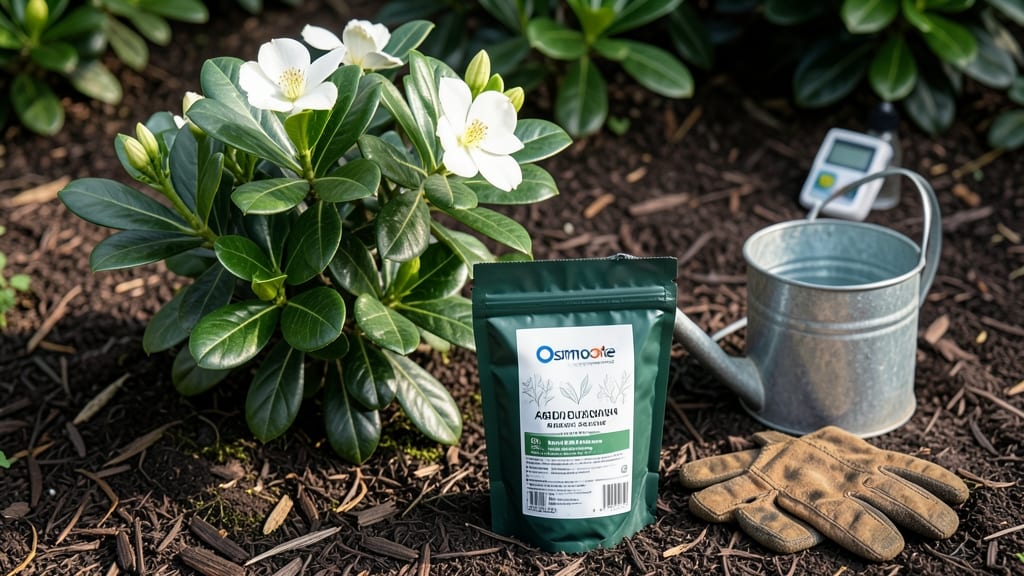
Fertilizing gardenias 🌸 at the right time is the difference between fragrant blooms and a shrub that just won’t cooperate—and most gardeners miss the best windows entirely.
Picture this: You’ve spent months nurturing your gardenia, only for it to throw out a handful of buds before wilting. The likely culprit? Fertilizing too early, too late, or with the wrong mix.
These tropical-loving shrubs need a precise schedule tied to their growth cycles, not just a random spring feeding.
In Zone 6, the golden rule is to fertilize gardenias in early spring (as new growth appears) and again in mid-summer, using an acidic formula designed for azaleas or camellias.
Skip the fall and winter entirely—overfeeding before dormancy stresses the plant, and that’s how you end up with yellow leaves instead of blossoms.
Below, I’ll break down the exact timing, how to tell if your soil is too alkaline (a common mistake), and the one fertilizer hack that doubles bloom size. No guesswork—just science-backed steps for gardenias that thrive.
Best seasonal timing to fertilize gardenias for maximum blooms
Timing is everything when it comes to fertilizing gardenias—these acid-loving shrubs thrive when fed during their active growth phases. The biggest mistake I see? Gardeners fertilizing at the wrong time, often leading to burned roots or wasted nutrients.
Understanding your climate zone and seasonal cues will transform your gardenias from struggling shrubs to bloom powerhouses.
Gardenias in temperate climates (Zones 7-10) follow a clear seasonal pattern: feed in early spring to kickstart growth, then again in late summer to support bud formation.
In tropical climates (Zones 11+), where gardenias grow year-round, a monthly light feeding schedule works best. The key is matching fertilization with the plant's natural cycles.
Why timing matters: Fertilizing in fall or winter stresses gardenias by forcing new growth when they should be dormant. Overfeeding in summer heat can scorch leaves, while skipping spring feeding means missed opportunities for robust root development and flower buds.
Here’s a quick visual guide to help you plan your fertilization schedule based on your climate:
| Season | Temperate Climates (Zones 7-10) | Tropical Climates (Zones 11+) | Key Cues |
|---|---|---|---|
| Early Spring | First feeding (March-April) | Monthly light feeding | New growth appears |
| Late Summer | Second feeding (August-September) | Monthly light feeding | Bud formation begins |
| Fall/Winter | No feeding | Reduce to every 2 months | Plant enters dormancy |
| Fertilizer Type | Acidic (8-3-9 NPK) | Acidic (10-10-10 NPK) | Slow-release preferred |
For temperate climates, start fertilizing in early spring (March-April) as soon as you see new leaf growth. Use a slow-release acidic fertilizer (like an azalea mix) to avoid nutrient spikes. In late summer (August-September), apply a second feeding to support flower bud development for next year’s blooms.
In tropical climates, where gardenias grow year-round, a monthly light feeding schedule keeps them thriving. However, reduce feeding to every 2 months during the coolest months (November-February) to mimic their natural slowdown. Always water deeply before fertilizing to prevent root burn.
Pro tip: If your gardenias are potted, flush the soil with water every 3 months to remove excess salts from fertilizers. This is especially important in container gardens, where nutrients can build up quickly.
Watch for these seasonal signs to adjust your schedule: yellow leaves may indicate over-fertilizing, while dropping buds suggests a nutrient deficiency. Both can be fixed by adjusting your timing and soil pH.
Remember, gardenias reward patience. By aligning your fertilization with their natural growth cycles, you’ll see healthier foliage, more blooms, and plants that thrive for years. Start with this seasonal guide, and soon your gardenias will be the showstopper of your landscape! 🌸
How soil pH and fertilizer type impact gardenia growth
Your gardenias might be starving—not from lack of food, but from the wrong soil conditions. These acid-loving shrubs thrive only in pH 5.0-6.0 soil, where nutrients like iron and magnesium unlock their full potential.
Without this balance, even the best fertilizer won’t save your plant from yellowing leaves or sparse blooms.
I’ve seen gardeners spend hundreds on fancy fertilizers only to watch their gardenias struggle because they ignored the soil foundation. The truth? Organic and synthetic fertilizers behave differently in acidic soil.
Synthetics release nutrients fast but can burn roots, while organics feed slowly but require consistent soil acidity to work effectively.
Here’s the game-changer: Micronutrients like iron and magnesium become available only in acidic soil. A pH test (available at garden centers for $10) will reveal if your soil is too alkaline—common in areas with limestone.
If it’s above 6.5, your gardenias are fighting an uphill battle, no matter how much you fertilize.
For yellowing leaves, it’s often a magnesium deficiency—fix it by adding Epsom salt (1 tbsp per gallon of water) every 4 weeks. If new growth looks pale, your gardenia needs iron, which only becomes available in acidic soil. Try a chelated iron supplement designed for acid-loving plants.
Pro tip: Mix peat moss or pine bark fines into the soil at planting to maintain acidity. I’ve seen gardenias in containers thrive with a top dressing of sphagnum peat every spring—it’s like giving them a pH boost without the guesswork.
Remember, fertilizer type matters less than soil readiness. Test your pH, amend as needed, and then choose your fertilizer. Your gardenias will reward you with glossy leaves and fragrant blooms all season long. 🌸