
Blooming
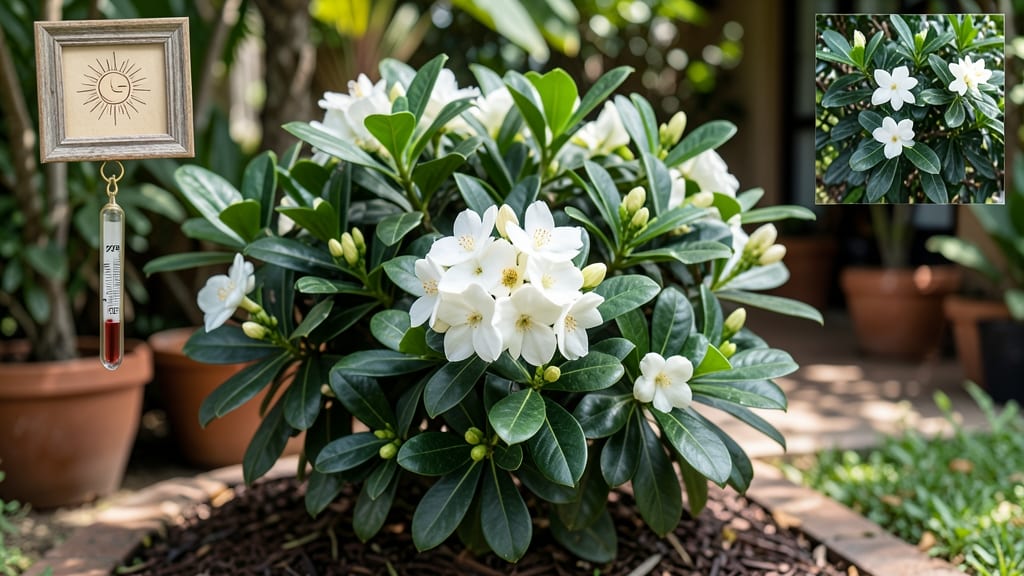
Gardenias don't bloom all year naturally—they typically flower in late spring through summer, with occasional blooms in fall. However, greenhouse conditions or tropical climates can help extend their blooming season with proper care.
Gardenias follow nature's seasonal cues, with blooming triggered by temperature shifts and daylight changes. 🌸 In temperate zones, they enter dormancy in winter, conserving energy for spring's new growth.
That said, gardeners in warmer regions or those growing them indoors can coax extra blooms by mimicking ideal conditions—think bright, indirect light and consistent moisture. The key is understanding your gardenia's natural rhythm while giving it the right support to push those boundaries.
What's fascinating is how these tropical plants adapt: some varieties naturally bloom year-round in Florida or Hawaii, while northern gardeners might only see flowers for a few months. The difference comes down to climate control—whether it's nature or a greenhouse providing the perfect balance of warmth and humidity.
💡 In This Article
- Gardenia Flowering Seasons by Climate Zone
- Tips to Encourage Longer Gardenia Blooming Periods
Gardenia flowering seasons by climate zone
Gardenias are tropical plants at heart, and their blooming cycles are deeply tied to temperature and daylight patterns. In temperate zones like the Northern U.S. (zones 7-9), they typically bloom from late May to August, with occasional fall flowers, then enter dormancy when nights drop below 50°F.
This seasonal rhythm mirrors their natural habitat in Southeast Asia, where monsoon patterns and temperature shifts trigger blooming. The plant conserves energy during cooler months, storing nutrients in its roots for spring's new growth.
In warmer climates such as Florida or Southern California (zones 10-11), gardenias can bloom year-round or nearly so, with peak seasons in spring and fall. The consistent warmth prevents dormancy, allowing continuous flower production.
For example, a gardenia in Miami might produce blooms every 4-6 weeks with proper care, while one in New York City may only flower for 6-8 weeks annually. The difference comes down to daylight exposure: gardenias need 6-8 hours of bright, indirect light daily to trigger blooming hormones.
What most gardeners don't realize is how humidity levels affect blooming cycles. Gardenias thrive in 50-70% humidity, and lower humidity (common in dry climates) can stunt flower production. In arid regions like Arizona, gardeners often use humidifiers or misting systems to compensate.
The plant's natural response to humidity involves opening stomata (pores) to absorb moisture, which indirectly supports flower bud formation. 🌿
Regional variations also depend on the specific gardenia variety. Gardenia jasminoides, the most common type, blooms seasonally, while Gardenia augusta (a tropical variety) may produce flowers year-round in ideal conditions.
Even within the same species, grafted plants (common in nurseries) often bloom more prolifically than seed-grown ones due to their hybrid vigor. This genetic factor explains why some gardeners in the same climate see vastly different blooming patterns.
For those in USDA zones 5-6, gardenias must be grown as potted plants and brought indoors before frost. Indoor gardenias can still bloom with grow lights providing 12-14 hours of light daily, but they'll follow a modified seasonal cycle tied to artificial daylight changes.
The key is maintaining consistent warmth (65-75°F) and avoiding drafts, which can shock the plant and halt blooming.
Understanding these climate-driven patterns helps set realistic expectations. A gardenia in Boston will never bloom like one in Orlando, but with the right adjustments—like moving pots to sunrooms in winter—you can extend the blooming season by 2-3 months.
The goal isn't to force year-round blooms in cold climates, but to work with the plant's natural rhythms while maximizing its potential. 🌸