
Planting
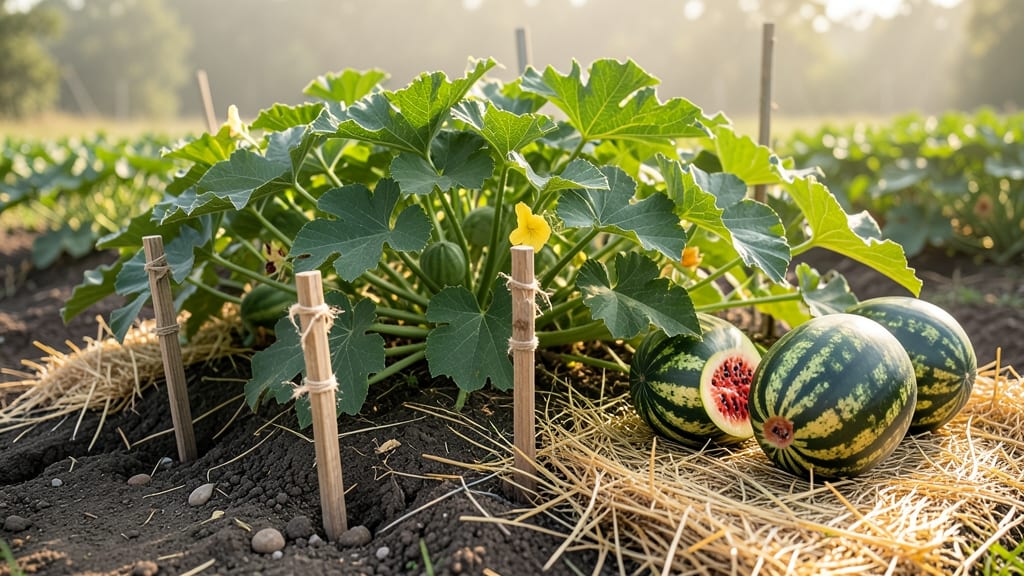
Growing watermelons with the right garden spacing is the difference between a few sad, undersized fruits and a vine-laden harvest 🍉 that feeds the neighborhood.
Picture this: you’ve planted your seeds, nurtured them through the heat, and now your watermelon vines sprawl like eager toddlers—except they’re not getting enough room to stretch out. That’s when you realize spacing wasn’t just a suggestion; it was the missing piece.
Watermelons thrive when given space to spread their 15-foot vines and develop strong roots, but cramming them too close leads to competition, stunted growth, and—worst of all—melons that never quite ripen. The good news? With the right layout, even a small garden can yield big rewards.
In this guide, I’ll break down the ideal spacing for rows, containers, and raised beds, plus how to adjust for different varieties and soil types. You’ll learn how to avoid common mistakes, maximize yield, and keep your watermelons happy from seed to harvest.
Optimal watermelon garden spacing by variety and growing conditions
Watermelons need careful spacing to thrive, but the right distances depend on your variety type and growing setup. Whether you're growing slicing watermelons, seedless hybrids, or heirloom varieties, spacing affects everything from air circulation to fruit size.
In open fields, vines can sprawl 15-20 feet, while containers need compact solutions—getting this wrong leads to stunted growth or poor yields.
Your growing environment also dictates spacing. Raised beds require tighter arrangements than open fields, and trellising changes vine spread dynamics entirely. For example, dwarf varieties like 'Sugar Baby' can thrive in 5-gallon containers, while standard types need wide row spacing to prevent disease.
Let’s break down the science behind spacing for each scenario.
| Variety Type | Row Spacing (ft) | Plant Spacing (in) | Vine Spread (ft) | Best For |
|---|---|---|---|---|
| Slicing (Standard) | 6-8 | 24-36 | 15-20 | Open fields, large gardens |
| Seedless Hybrids | 5-6 | 18-24 | 12-15 | Raised beds, containers (5+ gal) |
| Heirloom (Large) | 8-10 | 36-48 | 20-25 | Open fields, rural gardens |
| Dwarf (e.g., 'Sugar Baby') | 3-4 | 12-18 | 3-5 | Containers, small spaces |
| Trellised (Vertical) | 4-5 | 12-18 | 6-8 (controlled) | Small gardens, urban yards |
For open-field planting, standard slicing watermelons need 6-8 feet between rows and 24-36 inches between plants.
This spacing prevents disease spread and ensures each vine has enough nutrients and sunlight. Seedless hybrids, like 'Crimson Sweet,' are more compact—reduce row spacing to 5-6 feet and plant 18-24 inches apart to save space without sacrificing yield.
Heirloom varieties, such as 'Moon and Stars,' demand the most room. Give them 8-10 feet between rows and 36-48 inches between plants to accommodate their massive vines and large fruits. If your garden is small, consider dwarf varieties like 'Sugar Baby,' which thrive in 3-4 feet of row spacing and just 12-18 inches apart—perfect for containers or raised beds.
When growing in containers, choose 5-gallon pots or larger for each plant.
Place them 12-18 inches apart in a sunny spot. Trellising is a game-changer for small spaces: train vines vertically on a strong trellis or fence, reducing vine spread to 6-8 feet while keeping rows just 4-5 feet apart. This method also improves airflow and fruit quality.
In raised beds, adjust spacing to fit the bed’s width. For a 4-foot-wide bed, plant two rows with 18 inches between plants and 24 inches between rows.
Avoid overcrowding—watermelons need room to sprawl and develop. If using black plastic mulch, space plants 12-18 inches apart to maximize heat retention and weed suppression.
One critical factor often overlooked is vine direction. Plant vines in a north-south orientation to minimize shading. In small gardens, use staggered planting: place plants in a checkerboard pattern to distribute vines evenly and prevent gaps.
This technique also helps with pollination and fruit set by ensuring consistent airflow.
If you’re new to watermelon spacing, start with seedless hybrids or dwarf varieties—they’re forgiving and adapt well to containers or tight spaces. For experienced gardeners, experiment with trellising heirlooms or staggered rows to maximize yield in limited areas.
The key is balancing vine spread, fruit size, and your garden’s layout.
Proper spacing isn’t just about fitting more plants—it’s about creating an environment where each watermelon can
Common mistakes in watermelon spacing and how to Fix them
Watermelons are vining plants that need room to spread, but I’ve seen many gardeners make spacing mistakes that lead to stunted growth or poor fruit production. The most common error? Overcrowding plants so their sprawling vines compete for sunlight, water, and nutrients.
This competition weakens the plants and makes them more susceptible to diseases like powdery mildew.
Another frequent mistake is planting watermelons in north-south rows instead of east-west rows. While it might seem logical, this orientation can cause shading issues as the sun moves across the sky. East-west rows ensure all plants receive equal sunlight throughout the day, which is crucial for watermelon development.
Poor air circulation is another silent killer. When vines grow too close together, moisture lingers on leaves, creating the perfect environment for fungal infections. I’ve had to remove entire plants because of this issue—don’t let it happen to you!
⚠️ 3 Critical Spacing Mistakes & Fixes
- Mistake: Planting too close (less than 3 feet apart) → Fix: Space standard varieties 4-6 feet apart in rows 5-7 feet apart.
- Mistake: Using north-south rows → Fix: Plant in east-west rows for even sunlight exposure.
- Mistake: Ignoring vine spread (letting vines overlap) → Fix: Train vines with trellises or mulch to control growth.
Proper spacing isn’t just about yield—it’s about plant health and pest prevention.
If you’re growing dwarf varieties, you might think they need less space, but even these compact plants need at least 2-3 feet between vines.
I once tried growing a dwarf variety in a 5-gallon container with two plants—both struggled and produced tiny, underripe fruit. Container spacing matters just as much as in-ground planting!
For raised beds, many gardeners make the mistake of planting too many watermelons in a small space. A 4x8-foot raised bed should only hold 2-3 plants, not 6-8 as some guides suggest. Crowding in raised beds leads to even worse air circulation because the walls trap moisture.
To fix spacing issues, start by sketching your garden layout. Measure your space and mark planting spots with stakes before transplanting seedlings. If you’ve already planted too closely, don’t panic—you can thin out seedlings when they’re 2-3 inches tall, leaving only the strongest plants.
Just be gentle to avoid damaging roots!
Remember, proper spacing isn’t just about giving watermelons room to grow—it’s about creating an environment where they can thrive, resist pests, and produce those juicy, sweet fruits you’re dreaming of. With the right layout, you’ll see a noticeable difference in your harvest! 🍉