
Watering
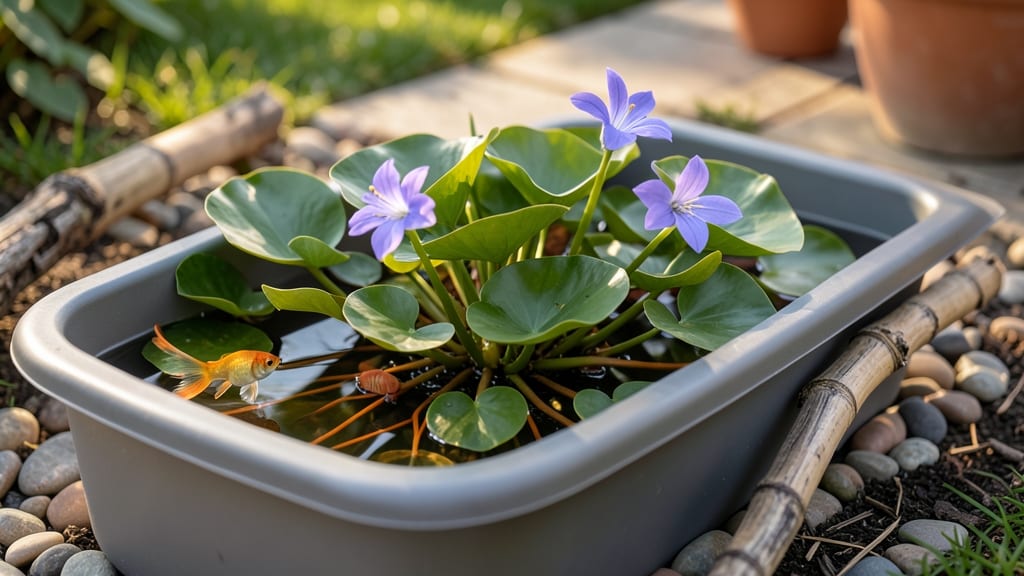
A water garden tub creates a balanced ecosystem with floating plants like water lilies, submerged oxygenators such as anacharis, and marginal varieties, while requiring weekly partial water changes, regular pruning, and careful crowd control to maintain crystal-clear water and prevent algae outbreaks.
A water garden tub isn't just about aesthetics—it's a self-sustaining micro-ecosystem. 🌿 The right plant mix keeps water oxygenated and filters impurities naturally. Water lilies shade the tub to prevent algae, while submerged plants like anacharis release oxygen and absorb excess nutrients.
I've found that 10% of the tub's surface should be covered by floating plants to strike the perfect balance between beauty and function. The key to long-term success lies in consistent maintenance, where even small adjustments—like trimming overgrown foliage—can make a huge difference in water quality.
💡 In This Article
- Selecting the Right Aquatic Plants for Your Water Garden Tub
- Weekly Maintenance Routine to Keep Your Water Garden Tub Healthy
Selecting the right aquatic plants for your water garden tub
The foundation of a thriving water garden tub lies in its plant selection, where each type plays a specific role in the ecosystem.
Floating plants like water lilies (Nymphaea) and duckweed (Lemna minor) create shade that blocks excessive sunlight—critical because direct sunlight above 6 hours daily accelerates algae growth. These plants also absorb excess nutrients from fish waste or decaying matter, acting as natural water filters.
Their roots dangle below the surface, providing shelter for beneficial microorganisms that break down organic waste.
Submerged oxygenators such as anacharis (Elodea canadensis) or hornwort (Ceratophyllum demersum) are the unsung heroes of your tub. These plants perform photosynthesis around the clock, releasing 30-50% more oxygen than surface plants, which is vital for fish health.
Anacharis grows rapidly—up to 12 inches per month—so regular pruning prevents it from monopolizing light. Marginal plants like sweet flag (Acorus calamus) or cattails (Typha) anchor at the tub's edges, filtering water as it flows through their roots while adding visual interest.
Light requirements vary dramatically between species. Water lilies need 6-8 hours of direct sunlight daily to bloom, while submerged plants like anacharis thrive in moderate to low light conditions (2000-4000 lux). Overcrowding with high-light plants can create dead zones where oxygen levels plummet.
I've observed that a 3:1 ratio of submerged to floating plants maintains optimal oxygenation while preventing stagnant areas. The plant selection directly impacts water chemistry—too many fast-growing species can deplete nutrients, leading to murky water.
Consider your tub's depth when choosing plants. Shallow tubs (12 inches deep) work well with marginal plants and small water lilies, while deeper tubs (24 inches+) can accommodate lotus (Nelumbo) and taller submerged varieties.
Lotus roots, for example, grow 3-5 feet deep and require nutrient-rich sediment. The plant's growth habit affects maintenance too—lotus leaves can reach 2 feet wide, requiring frequent removal to prevent shading out other species. 🌿
Seasonal adjustments are crucial. In cooler months, submerged plants like anacharis may slow growth, reducing oxygen output by 40%. This is when supplemental aeration becomes important.
Conversely, summer heat can cause floating plants to multiply rapidly—trimming them back to 50% of their maximum spread prevents them from smothering the water surface. The right plant mix creates a self-regulating system where each species complements the others, mimicking natural aquatic ecosystems.
Here's what most people overlook: the role of beneficial bacteria. Plants like water hyacinth (Eichhornia crassipes) host colonies of nitrifying bacteria on their roots, which convert toxic ammonia from fish waste into nitrates—far less harmful.
Without these plants, ammonia levels can spike to dangerous levels (0.25 ppm is toxic to fish) within days. The plant selection isn't just about aesthetics; it's about creating a biological filtration system that works in harmony. 💫