
Tools
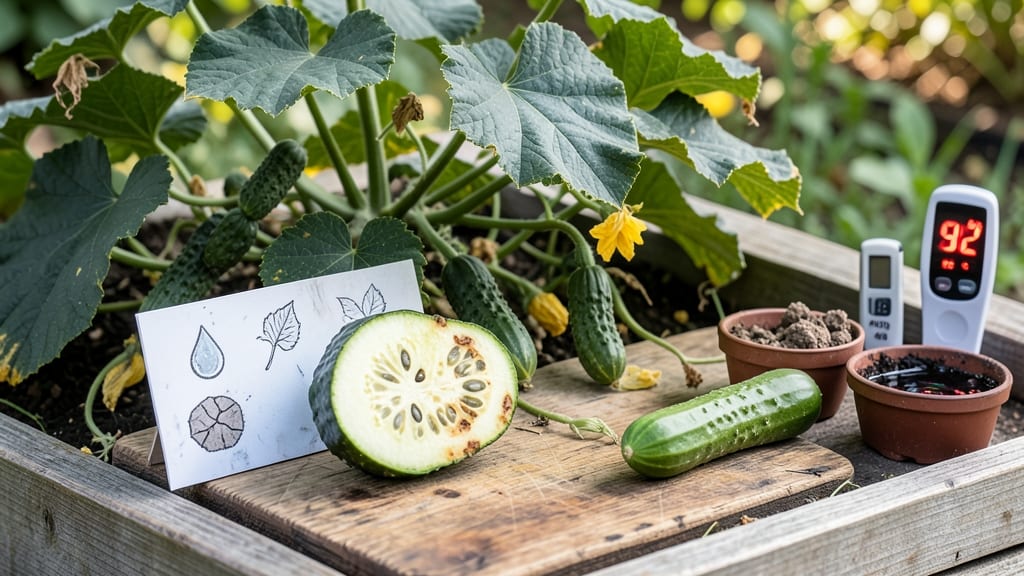
Your garden cucumbers 🥒 taste bitter because they’re reacting to stress—whether from heat, drought, or overripeness—and the fix starts with understanding the exact trigger.
Picture this: you’ve been eagerly watching your vines thrive, only to slice into a cucumber that tastes more like a mouthful of soap than a crisp, refreshing snack. That bitter punch is your plant’s way of saying, “Something’s wrong here.”
Most gardeners assume it’s just a variety issue, but the real culprits are often harvesting too late, inconsistent watering, or even the wrong soil nutrients. The good news? With a few simple adjustments—like picking cucumbers earlier or providing afternoon shade—you can turn that bitter harvest into sweet, garden-fresh perfection.
Below, I’ll walk you through the top 5 reasons your cucumbers go bitter, how to diagnose the problem fast, and the quick fixes that work in as little as a week. No more wasted harvests!
5 Common reasons your garden cucumbers taste bitter (and how to fix them)
There's nothing worse than biting into a cucumber you grew yourself, only to taste that sharp, unpleasant bitterness. While some varieties naturally have a milder flavor, environmental stress and poor growing conditions are usually the culprits behind that unpleasant taste.
The good news? Most of these issues are easy to fix once you identify the root cause. Let's break down the top 5 reasons your garden cucumbers might be bitter—and how to restore that sweet, crisp flavor you love.
Cucumbers develop bitterness as a defense mechanism against stress. When they experience heat, drought, or poor soil conditions, they produce cucurbitacin, a natural compound that gives them that bitter edge. The key is to catch these issues early and adjust your care routine to prevent future problems.
Whether you're a seasoned gardener or just starting, these solutions will help you grow cucumbers that taste fresh and delicious every time.
-
1. Overripe or Overgrown Cucumbers
Cucumbers left on the vine too long develop excessive bitterness as they mature. Harvest when firm and fully sized (6-8 inches for slicing types).
-
2. Heat Stress or Inconsistent Watering
Fluctuating temperatures or drought conditions trigger bitterness. Water deeply 2-3 times per week and provide afternoon shade during extreme heat.
-
3. Poor Soil Nutrition or pH Imbalance
Cucumbers thrive in well-draining soil with pH 6.0-6.8. Test your soil and amend with compost or a balanced fertilizer (5-10-10) if needed.
-
4. Lack of Pollination or Male Flowers Dropping
Poor pollination leads to deformed, bitter fruit. Hand-pollinate by transferring pollen from male to female flowers using a small brush.
-
5. Overcrowded Plants or Poor Air Circulation
Cucumbers need space to thrive. Thin plants to 12-24 inches apart and use trellises to improve airflow and reduce fungal stress.
If your cucumbers are already bitter, don’t toss them! Many varieties can still be used in pickles, fermented dishes, or even juices where bitterness is less noticeable. However, the best solution is prevention. Start by harvesting regularly—this encourages new growth and keeps flavors sweet.
Check your watering schedule; cucumbers need consistent moisture, especially during hot summer days. If your soil feels dry an inch below the surface, it’s time to water.
Another quick fix is to provide afternoon shade during peak heat. Use shade cloth or plant near taller crops like corn or sunflowers to block intense afternoon sun. This simple adjustment can make a world of difference in flavor.
I’ve found that even a few hours of relief from the hottest part of the day helps my cucumbers stay sweet and crisp.
Don’t overlook the importance of soil health. Cucumbers are heavy feeders and need nutrients like nitrogen, phosphorus, and potassium to thrive. Before planting, mix in 2-3 inches of compost into the soil.
During the growing season, apply a balanced fertilizer every 4-6 weeks to keep plants vigorous. If your soil is too acidic or alkaline, cucumbers may struggle to absorb nutrients, leading to bitterness.
For those dealing with poor pollination, take matters into your own hands. Cucumbers rely on bees and other pollinators, but sometimes they need a little help.
Early in the morning, use a small paintbrush or cotton swab to transfer pollen from male flowers (with long stems) to female flowers (with tiny cucumbers at the base). This ensures proper fruit development and reduces bitterness caused by malformed cucumbers.
Finally, give your cucumber plants the space they need. Overcrowding leads to competition for nutrients and water, stressing plants and making them more prone to bitterness. If you’re growing bush varieties, space them 12-18 inches apart.
For vining types, use a trellis and space plants 24-36 inches apart. Proper spacing also improves air circulation, reducing the risk of fungal diseases that can further stress your plants.
With these fixes in place, you’ll be well on your way to growing cucumbers that are sweet, crisp, and free of bitterness. Remember, the key is consistency—whether it’s watering, fertilizing, or harvesting.
Keep an eye on your plants, and don’t hesitate to adjust your care routine as needed. Happy gardening! 🥒
How to prevent bitter cucumbers: pro tips for optimal growth conditions
Sweet cucumbers are all about timing and care—missing the mark can leave you with bitter-tasting fruits. The key to preventing bitterness lies in managing growth conditions like watering consistency, harvest timing, and soil health.
Even experienced gardeners can overlook these details, but small adjustments make a big difference.
Cucumbers develop bitterness when they experience heat stress or overripeness. High temperatures (above 90°F) trigger cucurbitacin—a natural compound that makes cucumbers taste bitter. Similarly, leaving cucumbers on the vine too long causes them to overmature and develop harsh flavors. Let’s fix this with actionable strategies.
Why Are My Garden Cucumbers Bitter?
Bitterness in cucumbers is usually caused by:
- 🌡️ Heat Stress: Temperatures above 90°F trigger cucurbitacin production.
- ⏳ Overripeness: Leaving cucumbers on the vine too long increases bitterness.
- 💧 Watering Issues: Inconsistent moisture causes stress and poor flavor development.
- 🌱 Poor Soil Health: Nutrient deficiencies or compacted soil affect taste.
The fix? Harvest frequently, provide shade during heatwaves, and maintain consistent watering.
Start by harvesting cucumbers regularly—every 2-3 days for slicing types and 4-5 days for pickling varieties. This prevents overripeness and encourages the plant to produce more sweet, tender fruits.
Use a sharp knife or pruners to avoid damaging the vine, and always pick cucumbers when they’re firm and fully colored.
Companion planting can also reduce bitterness by improving overall plant health. Pair cucumbers with basil, dill, or radishes to deter pests and enhance flavor.
Avoid planting near potatoes or squash, as they compete for nutrients and can stress the plant. A well-planned garden layout makes all the difference!
Soil management is another critical factor. Cucumbers thrive in well-draining, nutrient-rich soil with a pH of 6.0-6.8. Amend your soil with compost or aged manure before planting to ensure proper nutrient uptake.
Over-fertilizing with nitrogen can lead to leafy growth at the expense of fruit quality, so use a balanced fertilizer (like 5-10-10) sparingly.
Finally, protect your cucumbers from extreme heat. Use shade cloth (30-50% coverage) during peak afternoon sun to prevent heat stress. Mulching with straw or grass clippings helps retain moisture and keeps roots cool. These small steps can transform your bitter harvests into crisp, sweet cucumbers every time.