
Tools
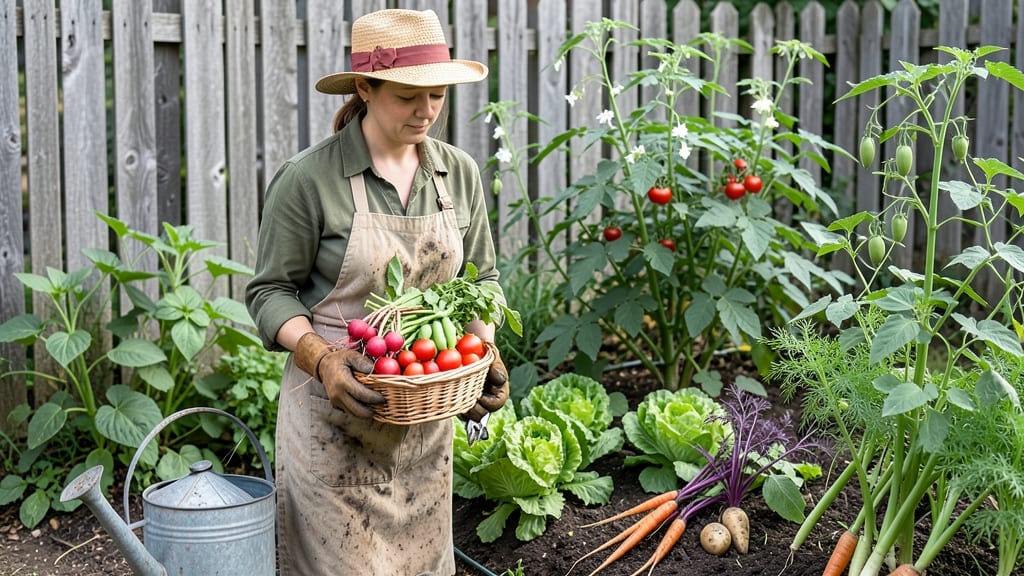
Victory garden facts reveal these small-scale vegetable plots played a crucial wartime role by producing up to 40% of the nation's fresh produce during World War II, easing grocery shortages and strengthening community food security.
Victory gardens weren't just a wartime trend—they became a nationwide movement, with over 20 million gardens planted across the U.S. during WWII. 🌱 The effort wasn't just about growing food; it was about reclaiming control over food sources during rationing.
Many families planted even in urban areas, using balconies and rooftops to grow vegetables like tomatoes, carrots, and potatoes. This grassroots approach proved so effective that it inspired similar programs in other countries during conflicts, showing how community-driven agriculture can directly impact national food security.
The modern revival of victory gardens focuses on sustainability and local food systems. Today's gardeners often prioritize heirloom varieties and permaculture techniques to maximize yields in small spaces.
What's fascinating is how these gardens now serve as educational tools, teaching people about seed saving, composting, and seasonal eating—skills that were once common but have faded in recent decades.
💡 In This Article
- How Victory Gardens Historically Impacted Food Security
- Modern Victory Gardens: Reviving Food Independence Today
How victory gardens historically impacted food security
During World War II, victory gardens produced roughly 40% of the nation's fresh produce, supplying vegetables like tomatoes, potatoes, and cabbage that would otherwise have strained already limited grocery supplies.
The U.S. Department of Agriculture estimated these gardens yielded 8 million tons of food annually—equivalent to feeding the entire population of New York City for a year. 🌱 The program was so effective that it reduced pressure on commercial farming, allowing more crops to be exported to Allied forces.
The psychological impact was equally significant. By growing their own food, families gained a sense of empowerment during rationing. Gardens became symbols of patriotism, with first ladies like Eleanor Roosevelt actively promoting them.
The average garden measured 300 square feet, yet produced enough to supplement weekly grocery hauls—proving that even small plots could make a big difference when coordinated across millions of households.
Victory gardens weren't just practical—they reshaped public perception of homegrown food. Before WWII, many Americans viewed gardening as a hobby rather than a necessity. The war effort changed that, demonstrating how urban farming could combat food insecurity.
This shift laid the foundation for modern community gardening movements, showing that local food production could be both scalable and sustainable.
What's often overlooked is how victory gardens functioned as social equalizers. During WWII, 40% of participating families were from urban areas, including low-income households that might otherwise struggle with grocery costs.
The program distributed seeds and tools to all participants, regardless of background, creating shared purpose across diverse communities. This inclusivity became a model for future food justice initiatives.
The impact extended beyond WWII. Similar programs emerged during the 1970s energy crisis and 2008 financial crisis, proving that victory gardens adapt to different types of scarcity.
Their legacy shows how decentralized food production can act as a buffer against economic and environmental disruptions—whether from war, inflation, or supply chain breakdowns.
Today, historians analyze victory gardens as case studies in resilience engineering. The movement proved that food security isn't just about large-scale agriculture—it's about community coordination, skill-sharing, and adaptive resource use.
These principles remain relevant as modern societies face new food system challenges, from climate change to pandemic-related disruptions.