
Lawn
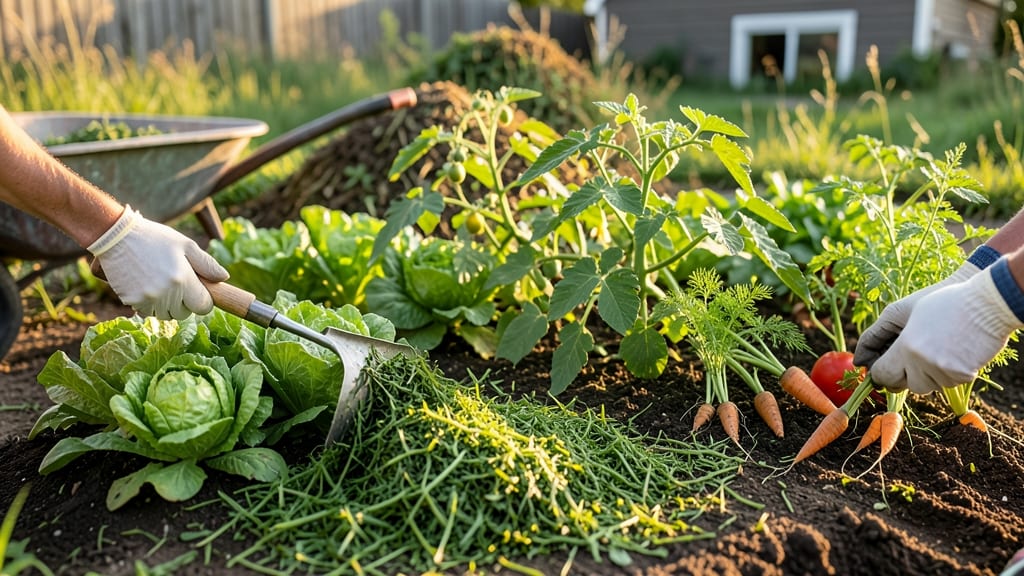
Using grass clippings in your vegetable garden enriches soil with nitrogen and organic matter while suppressing weeds, but they must be dried first to prevent matting and disease risks. Apply a thin layer as mulch or compost them for slower nutrient release.
Grass clippings are a gardener's secret weapon for nutrient-rich soil, but timing and preparation matter. 🌱 When properly dried, they release nitrogen gradually, feeding plants over weeks rather than days.
The key is to spread them in thin layers—no thicker than ¼ inch—to avoid smothering plants or creating anaerobic conditions that stink. I've found that tomatoes and peppers thrive with this mulch, while lettuce and carrots prefer looser soil.
For best results, dry clippings in the sun for 1-2 days before applying, which kills weed seeds and prevents fungal issues.
This method also outpaces traditional mulches like straw by delivering a more balanced nutrient profile. The organic matter breaks down slowly, improving soil texture and water retention without the risk of over-fertilizing.
Just remember: fresh clippings can compact soil and attract pests, so always let them dry completely first. The payoff? Healthier plants with fewer weeds and less watering needed. 🌿
💡 In This Article
- How Grass Clippings Boost Vegetable Garden Soil Health
- Step-by-Step Guide to Safely Applying Grass Clippings
How grass clippings boost vegetable garden soil health
Grass clippings are essentially a nitrogen powerhouse for your garden. When grass grows, it absorbs nitrogen from the soil to fuel its rapid growth—typically around 4-5% nitrogen by dry weight.
When you return these clippings to your vegetable beds, they decompose and release that nitrogen back into the soil, feeding your plants.
This process is called "recycling," and it's particularly beneficial for heavy feeders like tomatoes, peppers, and corn that require 0.5-1 pound of nitrogen per 100 square feet during their growing season. 🌱
The magic happens at the microbial level. As clippings break down, they create a feast for soil bacteria and fungi that transform the organic matter into plant-available nutrients. This activity also improves soil structure by increasing porosity—think of it like adding tiny air pockets that help roots breathe.
Unlike synthetic fertilizers that deliver a quick but short-lived nitrogen boost, grass clippings release nutrients gradually over 4-6 weeks, mirroring the steady growth pattern of most vegetables. For comparison, straw mulch releases nutrients much slower (over months), while fresh manure can burn plants if applied too richly.
Proper drying is crucial because fresh clippings can create a thick, thatchy mat that blocks water and air from reaching plant roots. When clippings stay wet, they also become a breeding ground for fungal diseases like Fusarium or Pythium, which can infect your vegetables. The solution?
Spread clippings in a ¼-inch-thick layer and let them dry in the sun for 1-2 days before applying. This kills weed seeds, reduces disease risk, and prevents soil compaction. The dried clippings will look like fine, crumbly mulch—almost like a natural fertilizer blanket for your plants. ✨
Another often-overlooked benefit is weed suppression. A ½-inch layer of dried clippings blocks 90% of sunlight from reaching weed seeds, preventing them from germinating. This means fewer weeds competing with your vegetables for nutrients and water.
The clippings also help retain moisture in the soil, reducing your watering needs by up to 30% during dry spells. However, this moisture-retaining effect works best in well-draining soil—heavy clay soils can become too compacted if clippings aren't properly dried first.
For leafy greens like lettuce or spinach, use clippings more sparingly (⅛-inch layer) since these plants prefer loose, aerated soil. Root crops like carrots or radishes should avoid clippings entirely, as the mulch can interfere with their downward growth.
Instead, focus on using clippings around your tomato plants, where they'll thrive with the extra nitrogen and weed protection. The key is matching the mulch to the plant's needs—just like choosing the right fertilizer for each vegetable type. 🌿
One final pro tip: Mix clippings with other organic matter like leaves or straw in a 2:1 ratio (two parts clippings to one part carbon-rich material) to create a balanced compost. This prevents the mix from becoming too nitrogen-heavy, which can create unpleasant odors as it decomposes.
The result is a nutrient-rich, crumbly compost that's perfect for side-dressing your vegetable plants mid-season. This approach gives you the best of both worlds—immediate soil benefits from the mulch and long-term soil improvement from the compost. 💫