
Watering
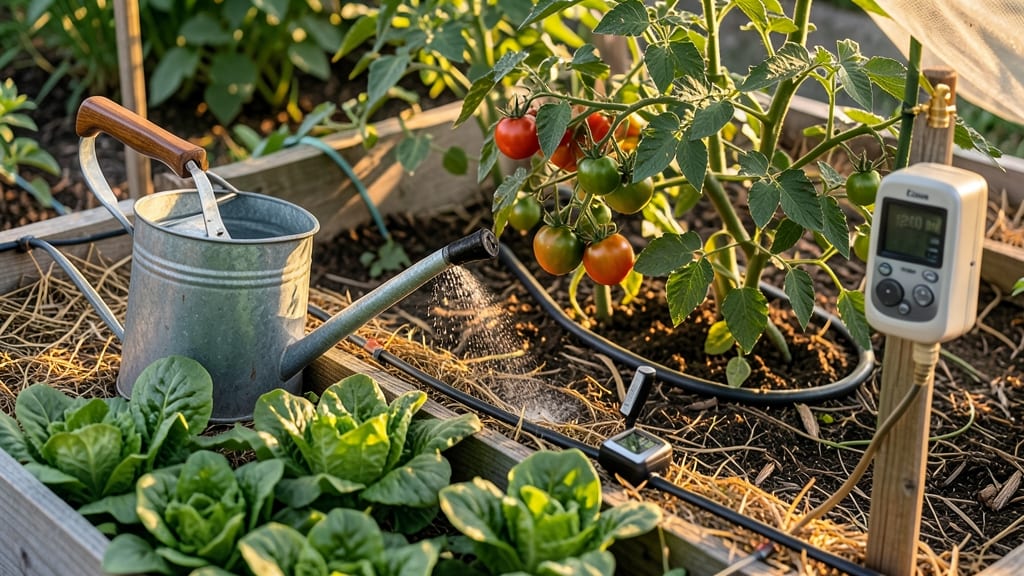
Your vegetable garden’s watering frequency is the secret to lush plants and bountiful harvests—skip the guesswork, and you’ll avoid wilted leaves or wasted water.
Picture this: you’re out at dusk, checking your 🥬 rows, and the soil feels like a sponge—too dry, and your tomatoes won’t set fruit; too soggy, and roots drown. The right schedule keeps everything thriving without the trial and error.
Here’s the game-changer: leafy greens like lettuce need 1-1.5 inches of water weekly, while deep-rooted crops such as carrots or potatoes can stretch that to 2 inches.
Climate, soil, and plant type all rewrite the rules, and I’ll break it down by category so you water smarter, not harder.
You’ll learn when to adjust for heatwaves, how to spot overwatering before it’s too late, and why morning watering beats evening every time. Let’s turn your garden into a well-hydrated paradise.
How often to water vegetables: exact watering schedule by plant type
Mastering the art of watering your vegetable garden can feel like solving a puzzle—too little and your plants wilt, too much and you risk root rot. The key is understanding that water needs vary dramatically by plant type, season, and even soil conditions.
I’ve grown everything from delicate lettuce to thirsty tomatoes, and I’ll break down the exact schedules you need to keep each plant thriving without guesswork.
Your garden’s success starts with knowing when and how much to water. For example, leafy greens like spinach and kale prefer consistent moisture, while root vegetables such as carrots and potatoes need deep, infrequent watering to prevent splitting.
Fruiting plants like tomatoes and peppers have their own rules, often requiring more water as they bear fruit. Let’s dive into the specifics so you can water like a pro.
For leafy greens, aim for shallow but frequent watering—think of them like a sponge that needs to stay damp but not drenched. I water mine in the early morning to prevent fungal diseases, and I always check the soil by sticking my finger about an inch deep.
If it feels dry, it’s time to water again. In summer, I increase the frequency to daily because the heat evaporates moisture faster.
Root vegetables like carrots and potatoes are trickier because inconsistent watering can cause them to split or develop bitter flavors. The secret here is deep, infrequent watering. I water these plants every 4-5 days in spring and fall, soaking the soil to a depth of 2 inches.
In summer, I might water every 3 days, but I always mulch heavily to lock in moisture and keep the roots cool.
Fruiting plants such as tomatoes and peppers demand the most attention during their growing season. These plants need consistent moisture, especially when flowers turn into fruit. I water them every 3-4 days in summer, delivering 1.5-2 inches of water each time.
The key is to avoid wetting the leaves, which can lead to blossom end rot in tomatoes. I use drip irrigation for these plants to keep the water at the roots where it’s needed most.
Herbs like basil and parsley are finicky—they hate soggy soil but also dry out quickly. I water these every 2-3 days, giving them just enough to keep the top inch of soil moist.
In summer, I might water daily, but I always reduce watering in winter to prevent root rot. A quick soil check with my finger tells me when it’s time to water again.
Seasonal adjustments are critical. In spring and fall, when temperatures are milder, you can water less frequently. But in summer, especially in hot, dry climates, you might need to water daily.
Always check the weather forecast—after a heavy rain, skip your scheduled watering. And in winter, most vegetables need minimal watering, except for hardy greens like kale, which can tolerate light moisture.
Pro tip: Use a soil moisture meter or
Signs your vegetable garden is overwatered or underwatered (and how to fix it)
I’ve learned the hard way that watering mistakes can ruin even the healthiest vegetable garden. Too much water drowns roots, while too little stresses plants beyond recovery. The key is recognizing the visual cues early—before wilting leaves or yellowing stems become permanent problems.
Most gardeners assume their watering schedule is perfect, but soil type and weather patterns change everything. Sandy soil drains fast, while clay holds moisture like a sponge. And don’t get me started on heatwaves—your usual watering frequency might need doubling during summer droughts.
- Overwatering: Yellow leaves + mushy stems = roots suffocating in soggy soil. Check for fungal growth (mold or mildew).
- Underwatering: Crispy leaf edges + drooping plants = roots begging for moisture. Soil should feel like a damp sponge, not dust.
- Inconsistent watering: Plants wilt by noon but perk up at night? Your schedule’s all over the place—stick to morning watering for consistency.
Let’s start with overwatered plants. If your tomatoes or peppers have yellow lower leaves that feel squishy, your soil’s likely waterlogged. Dig down an inch—if it smells like a swamp, you’re overdoing it. Root rot spreads fast in saturated soil, turning healthy plants into mushy messes overnight.
For underwatered vegetables, look for crispy leaf edges or leaves that curl like parchment paper. Stick your finger in the soil: if it’s bone-dry past 2 inches deep, your plants are thirsty. Drip irrigation or soaker hoses help deliver water directly to roots, preventing surface evaporation that wastes H₂O.
Adjust your watering frequency based on weather forecasts. If rain’s coming, skip your schedule. If temperatures hit 90°F+, increase watering by 30%. Mulch (straw or wood chips) locks in moisture and cuts down on daily chores—my zucchini plants thrive with mulch because they hate dry spells.
Pro tip: Group plants with similar needs together. Leafy greens like spinach need frequent, shallow water, while root veggies (carrots, beets) prefer deep soaks less often. A moisture meter (just $10) saves guesswork—stick it in the soil before watering to avoid mistakes.
Remember, healthy roots mean healthy harvests. Next time you water, pause and ask: Is this helping or hurting my plants? Your garden will thank you with vibrant greens and bountiful yields all season long. 🌱