
Tools
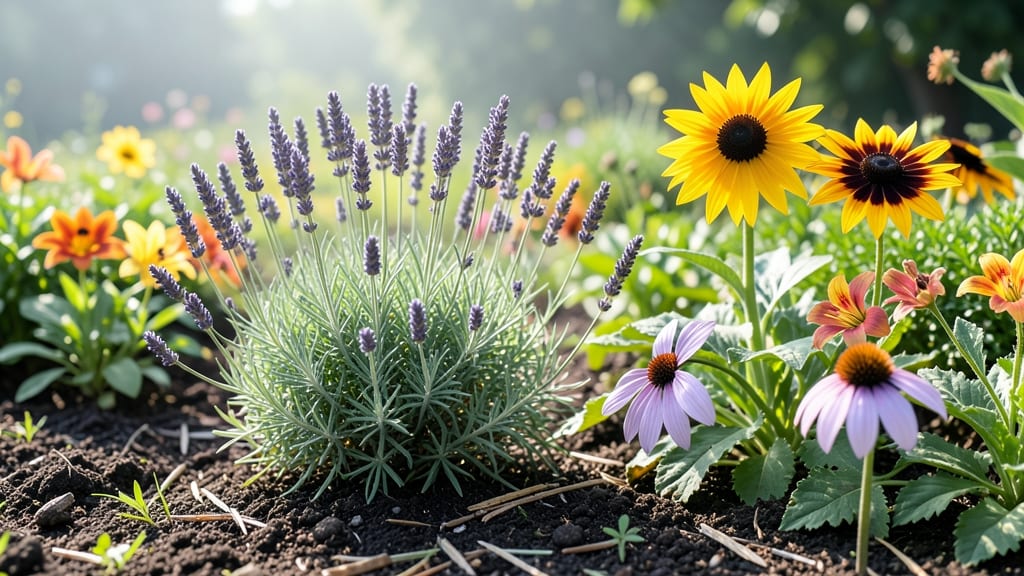
Finding the best place for a garden isn’t just about clearing a patch of dirt—it’s about unlocking the perfect balance of sunlight, soil, and space for your plants to thrive.
Struggling to decide where to plant your garden? The right location can mean the difference between a thriving harvest and a struggling plot—here’s how to choose with expert precision.
Sunlight exposure is the most critical factor, but soil quality, wind protection, and even accessibility play a role. A south-facing spot in Zone 6a might sound ideal, but drainage and space constraints can turn it into a nightmare.
Below, I’ll break down how to assess your yard’s natural light patterns, test soil health, and maximize space—whether you’re working with a tiny urban balcony or a sprawling rural plot.
How sunlight exposure determines your garden’s success
Sunlight is the most critical factor in your garden’s success—just like how we need sunlight to thrive, your plants rely on it for photosynthesis, growth, and flowering. The wrong amount can stunt growth, reduce yields, or even kill your plants.
Understanding your yard’s natural light patterns helps you place each plant in its ideal spot, whether it’s a sun-loving tomato or a shade-tolerant fern.
Not all plants have the same needs. Some, like tomatoes, peppers, and marigolds, crave full sun (6+ hours daily), while others, such as hostas or impatiens, thrive in partial shade (3-6 hours).
Even full shade (less than 3 hours) works for ferns, mosses, and some bulbs. Misplacing a plant can lead to weak stems, poor flowering, or disease susceptibility.
To assess your yard, observe sunlight patterns over a week or two. Use a sunlight tracker app or mark areas with stakes to note how long each spot gets light.
South-facing areas typically receive the most intense sunlight, while north-facing spots stay cooler and shadier. Even small changes in elevation or nearby trees can drastically alter light exposure.
Full sun plants (like zucchini, lavender, and sunflowers) need 6-8+ hours of direct sunlight. Place them in open, south-facing areas where they won’t be blocked by structures or other plants. If your yard lacks full sun, consider container gardening on a sunny patio or choosing heat-tolerant varieties.
Partial shade plants (such as coleus, astilbe, or lettuce) do best with 3-6 hours of morning sun and afternoon shade. These spots are perfect for east-facing beds or areas under tall trees. Avoid placing them in deep shade, as they’ll become leggy and weak.
Full shade plants (like heuchera, calathea, or most ferns) thrive with less than 3 hours of sunlight. Look for north-facing walls, dense tree canopies, or under decks. These areas stay cooler and more humid, ideal for moisture-loving plants.
| Plant Type | Sunlight Needs | Best Placement | Examples |
|---|---|---|---|
| Full Sun | 6-8+ hours | South-facing beds, open areas | Tomatoes, peppers, lavender |
| Partial Shade | 3-6 hours | East-facing beds, dappled shade | Coleus, lettuce, astilbe |
| Full Shade | <3 hours | North-facing walls, under trees | Ferns, heuchera, calathea |
If your yard has limited sunlight, focus on shade-tolerant crops like spinach, kale, or bush beans. For urban gardeners with balconies or small patios, choose compact varieties and place containers where they’ll get the most light.
Even reflective surfaces, like white walls or gravel, can bounce extra light onto plants.
Seasonal changes also matter. A spot that’s shady in summer (due to tree leaves) might get more sunlight in winter. Plan accordingly—some plants, like cool-season crops (kale, carrots), prefer shade in hot months but need light in spring/fall.
Adjust your layout as seasons shift to keep your garden thriving year-round.
Pro tip: Use mulch to regulate soil temperature in sunny spots. Organic mulch (like straw or wood chips) keeps roots cool and retains moisture, while gravel mulch reflects heat—ideal for desert gardens or hot climates. Test different mulches in small areas to see what works best for your microclimate.
Remember, the best place for a garden isn’t just about sunlight—it’s also about drainage, wind protection, and accessibility. But mastering sunlight first sets the foundation for a healthy, productive garden that rewards your efforts with vibrant blooms and bountiful harvests.
Soil quality and drainage: the hidden factors that make or break your garden
When selecting the best place for a garden, most gardeners focus on sunlight—but soil quality and drainage are equally critical. Poor drainage leads to root rot, while compacted soil stunts growth. Your garden’s success starts with understanding your soil’s composition and how to improve it.
Soil types vary dramatically: clay soil holds moisture but drains poorly, sandy soil drains too quickly, and loamy soil offers the perfect balance. Testing your soil’s pH and texture will reveal its strengths and weaknesses, helping you choose the right location or amend the soil before planting.
⚠️ WARNING: Overlooking drainage can ruin your garden! If water pools after rain or your hose, you’ve got a drainage problem. Root rot from soggy soil kills plants faster than pests.
Test your soil by digging a 12-inch hole—if water sits above 6 inches after 24 hours, you need to improve drainage with organic matter or raised beds. Clay-heavy soil? Mix in compost or sand. Sandy soil? Add peat moss or coconut coir to retain moisture.
Start by performing a simple jar test to determine your soil type. Fill a jar with soil and water, then shake it. Let it settle for 24 hours: if sand settles first, you’ve got sandy soil; if clay clumps at the bottom, you’re dealing with clay soil.
The ideal loamy soil will have a balanced layer of sand, silt, and organic matter.
Once you know your soil type, adjust it for optimal plant health. For clay soil, incorporate organic compost to improve aeration.
For sandy soil, add peat moss or composted leaves to boost water retention. Loamy soil is already nutrient-rich, but a top dressing of well-rotted manure will give your plants an extra boost.
Location matters just as much as soil type. Avoid low-lying areas where water collects after rain. Instead, choose a spot with a slight slope to encourage natural drainage.
If your yard is flat, create raised beds or mounds to prevent waterlogging. Elevated gardens also warm up faster in spring, giving you a longer growing season.
Remember, healthy soil isn’t just about drainage—it’s also about nutrient availability. Conduct a pH test (available at garden centers) to check if your soil is acidic, alkaline, or neutral. Most vegetables prefer a pH between 6.0 and 7.0, while blueberries thrive in acidic soil (pH 4.5-5.5).
Adjust with lime (to raise pH) or sulfur (to lower pH) as needed.
With the right soil and drainage, your garden will flourish—no matter where you plant it. Start testing and amending today for a thriving, productive garden this season! 🌱