
Vegetables
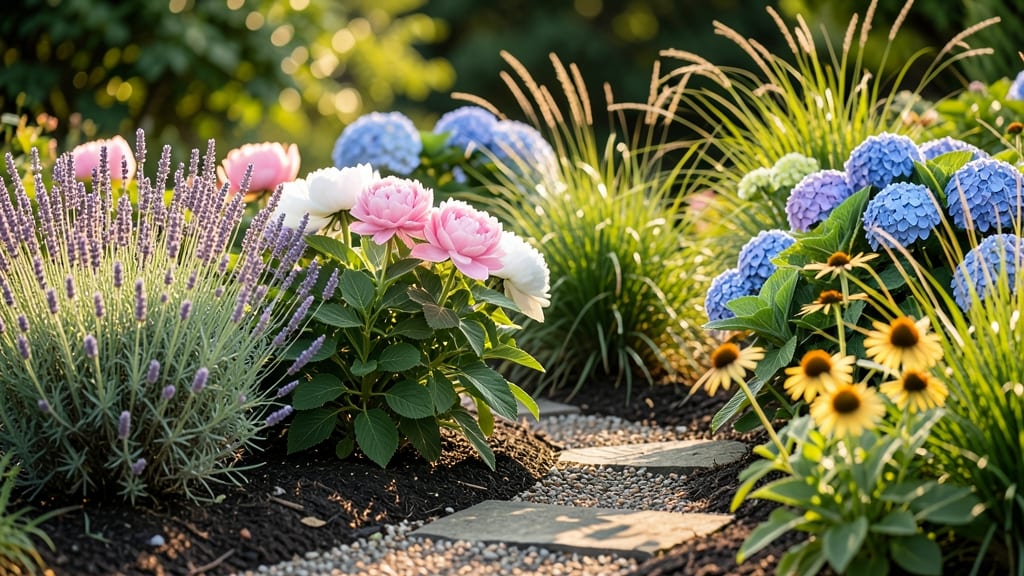
To stroll the gardens and enjoy year-round vegetable abundance, focus on cold-hardy varieties, staggered planting schedules, and soil enrichment with compost. Protective covers and succession planting create continuous harvests that keep your garden productive in every season.
Turning your garden into a year-round vegetable paradise starts with smart planning. 🌱 Cold-hardy crops like kale, spinach, and carrots thrive in cooler months, while summer favorites can be spaced out in succession to avoid gluts.
I've found that layering crops—planting fast-growing radishes between slower broccoli—maximizes space and keeps harvests coming. The key is balancing what you can grow naturally with seasonal extensions like row covers or cold frames.
Don't forget that soil health is the foundation. Regularly amending with compost or aged manure ensures your plants have the nutrients they need to fight off pests and diseases, which means fewer interruptions to your garden strolls.
I've seen gardens double their yields just by improving their soil—it's that powerful. 💫
💡 In This Article
- Seasonal Layering Techniques for Continuous Vegetable Harvests
- Best Year-Round Vegetables for Garden Strolls and Their Care
Seasonal layering techniques for continuous vegetable harvests
The foundation of year-round garden productivity lies in understanding how to layer crops across seasons. Start by dividing your planting calendar into four distinct phases: early spring (March-April), late spring/summer (May-July), early fall (August-September), and winter (October-February).
Each phase has ideal temperature ranges—spring crops like peas (50-65°F) and spinach (45-70°F) thrive when soil warms gradually, while winter crops such as kale (35-65°F) and carrots (45-75°F) tolerate frost.
The trick is selecting varieties with staggered maturity dates—planting lettuce every 2-3 weeks ensures a continuous supply rather than a single harvest.
Protective structures play a crucial role in extending seasons. Row covers made of lightweight fabric raise soil temperatures by 5-8°F and shield plants from wind, allowing you to start spring plantings 3-4 weeks earlier and extend fall harvests by 4-6 weeks.
Cold frames—essentially insulated boxes with transparent lids—can push winter growing zones by 10-15°F, letting you grow spinach or radishes even in 20°F conditions. For true winter growing, low tunnels (hoop houses covered with plastic) create microclimates that can support broccoli or Brussels sprouts through 15°F nights. 🌱
Succession planting is where the magic happens for uninterrupted harvests. Instead of planting all your beans at once, sow half the seeds every 2 weeks—this ensures a steady supply of fresh pods over 6-8 weeks instead of a single glut.
The same principle applies to greens: plant a row of arugula in early spring, another in late summer, and a final one in early fall to maintain crisp, peppery leaves throughout the year.
This technique works especially well with fast-growing crops like radishes (ready in 3-4 weeks) or bush beans (ready in 5-6 weeks).
Don't overlook the vertical dimension—trellises and cages maximize space while creating shade for heat-sensitive crops. Plant heat-loving tomatoes or cucumbers on the south side of your garden where they'll provide shade for cooler-season crops like lettuce planted nearby.
This "shade gardening" technique can extend the growing season for greens by 2-3 weeks in summer. Additionally, interplanting—placing fast-growing radishes between slower broccoli—keeps every square inch productive while minimizing weeds. The result? A garden that's always yielding something fresh for your strolls. ✨
Timing is everything when it comes to seasonal transitions. In late summer, prepare for fall by hardening off transplants (acclimating them to cooler temps over 7-10 days) before moving them outdoors.
For winter crops, use a soil thermometer to ensure roots stay above 40°F—below that, many vegetables become bitter or bolt. The payoff? A garden that remains vibrant and productive even when other gardens lie dormant, giving you fresh produce to enjoy during every season's walk. 💫
One advanced technique worth mastering is "catch cropping"—growing a fast-maturing crop in the space between slower-growing plants. For example, after harvesting early spring peas, plant bush beans in their place. This keeps your garden in constant production without requiring additional space.
The key is choosing crops with complementary growth cycles: fast growers (radishes, lettuce) between slow growers (broccoli, cabbage) ensures no empty beds. 🌿