
Planting
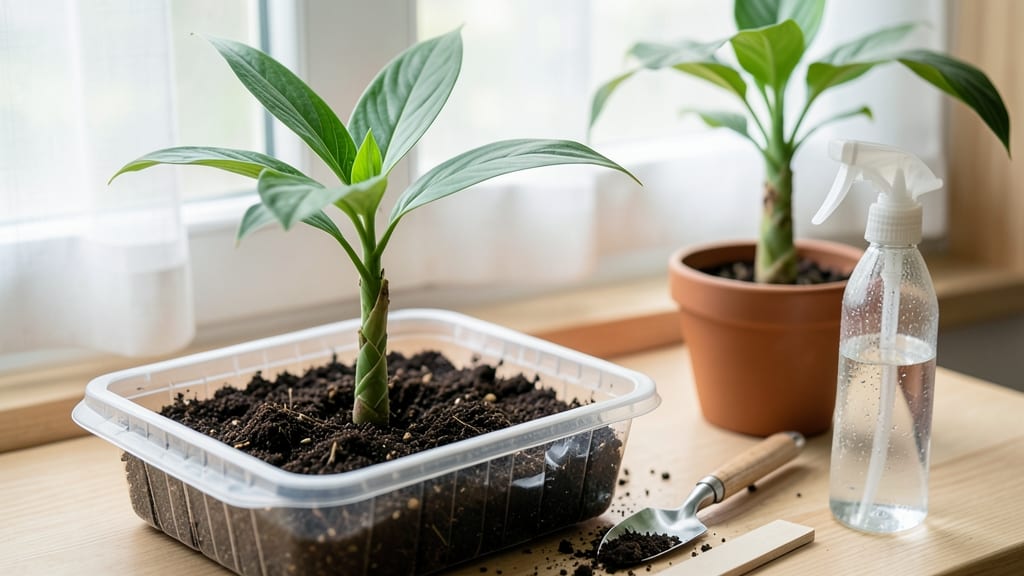
Growing a garden banana seed 🍌 is a slow but deeply satisfying project that turns your backyard into a tropical oasis—if you’re willing to wait three years for fruit.
Picture this: a towering, broad-leafed plant thriving in your USDA Zone 6a garden, its massive pseudostem storing energy for future harvests. The challenge? Banana seeds germinate unpredictably, and early growth is painfully slow—often just 1-2 feet in the first year.
But with the right soil, warmth, and patience, you can coax a seed into a thriving plant that rewards you with edible fruit.
This guide covers every step, from indoor germination to outdoor planting, so you avoid the most common mistakes that kill seedlings before they even sprout. We’ll also walk through seasonal care, including how to protect your plant from late spring frosts and when to expect those first telltale flower spikes.
By the time you’re harvesting in September or October, you’ll have mastered the art of growing a garden banana—and maybe even convinced your neighbors to try it too.

How to germinate garden banana seeds indoors: step-by-step process
Garden banana seeds (Musa spp.) are notoriously slow to germinate, often taking 3-6 months to sprout. The key to success lies in stratification, consistent moisture, and patience. Unlike fast-sprouting veggies, these tropical seeds need special care to break their dormancy before sending up shoots.
I’ve learned the hard way that rushing this process leads to rotten seeds—so let’s do this right!
Start by collecting fresh seeds from ripe bananas. The larger the seed, the better your chances, as they contain more stored energy. After cleaning, you’ll need to stratify them to mimic natural tropical conditions.
This mimics the warm, moist soil they’d encounter in their native habitat. Without this step, germination rates drop dramatically. Trust me, I’ve tried skipping it!
🌱 Step-by-Step Germination Process
- 1 Prepare Seeds: Clean seeds thoroughly with water, removing all fruit pulp. Let them air-dry for 24 hours to prevent mold.
- 2 Stratify Seeds: Place seeds in a plastic bag with damp sphagnum moss or paper towels. Seal and refrigerate for 60-90 days at 60-65°F to break dormancy.
- 3 Sow Indoors: Plant stratified seeds 1 inch deep in a pot with well-draining mix (50% peat moss, 50% perlite). Keep soil consistently moist (not soggy).
- 4 Warmth & Humidity: Place pots in a warm spot (75-85°F). Cover with plastic wrap to retain humidity. Use a seedling heat mat if needed.
- 5 Monitor & Wait: Check soil moisture daily. Germination may take 3-6 months. Discard seeds that rot or show mold—patience is critical!
- 6 Transplant Seedlings: Once sprouts reach 6 inches, transfer to 5-gallon pots with tropical soil mix. Harden off for 2 weeks before outdoor planting.
During stratification, check seeds weekly for mold. If you see fuzzy growth, rinse seeds and restart the process—mold means too much moisture. I’ve lost count of how many times I’ve had to start over, but each attempt taught me something new.
The 60-90 day cold treatment is non-negotiable; without it, germination rates plummet to nearly 0%.
Once seeds sprout, resist the urge to move them too soon. Young seedlings are delicate and need stable conditions. Place pots under grow lights if natural light is insufficient—banana plants crave bright, indirect light from day one.
I use a simple LED grow bulb on a timer to mimic tropical sunlight patterns.
Transplanting is where many gardeners trip up. Wait until seedlings have 3-4 true leaves and are at least 6 inches tall. Use a 5-gallon pot with drainage holes and a mix of 50% potting soil, 30% coconut coir, and 20% perlite.
This prevents root rot, a common killer of young banana plants. Water thoroughly after transplanting to settle the soil.
After transplanting, keep seedlings in a humid environment (70%+ humidity). A simple plastic tent over the pot works wonders. Mist leaves daily to replicate tropical rainfall. I’ve found that a humidifier near the seedlings speeds up acclimation, especially in dry climates.
Without humidity, leaves turn crispy at the edges—a sure sign of stress.
Common pitfalls include overwatering (which causes root rot) and insufficient light (leading to leggy, weak stems). I’ve seen seedlings collapse from fungal infections because of poor drainage—always use pots with holes!
If your seedlings look pale or stretched, they’re begging for more light. Move them closer to a south-facing window or under grow lights immediately.
Pro tip: Label your pots with the planting date. Tracking growth stages helps you anticipate when to transplant outdoors. In my experience, seedlings ready for outdoor life should have 5-6 leaves and a sturdy stem.
Harden them off gradually by moving them outside for 1-2 hours daily, increasing time over 2 weeks.
Remember, garden banana seeds are notoriously slow. Some take up to 6 months to sprout, and early growth is painfully sluggish. But once those first leaves unfurl, you’ll know it was worth the wait.
With the right conditions, your indoor seedlings will soon be ready to join your outdoor garden—where they’ll grow into a tropical giant in just 3 years. 🌱
Best soil, climate, and planting conditions for outdoor banana growth
Banana plants (Musa spp.) crave tropical conditions, so recreating their natural environment is key to success. In USDA Zones 10-12, they thrive outdoors year-round, while gardeners in Zones 9 or cooler must grow them as container plants or dig them up in winter.
The right combination of soil composition, temperature, and humidity determines whether your banana plant grows into a lush, fruiting specimen or struggles to survive.
First, let’s tackle the soil requirements. Bananas despise soggy roots, so prioritize a well-draining mix with 60-70% organic matter. A blend of coconut coir, compost, and perlite mimics their native forest floor.
For in-ground planting, amend heavy clay with sand and leaf mold to improve aeration. pH levels should stay between 5.5 and 7.0—test your soil and adjust with lime or sulfur if needed.
| Factor | Ideal Condition | Notes |
|---|---|---|
| Soil Type | Loamy, well-draining | Mix 60% organic matter + 30% sand |
| pH Level | 5.5–7.0 | Adjust with lime (raise) or sulfur (lower) |
| Temperature Range | 70–90°F (21–32°C) | Below 50°F (10°C) risks damage |
| Humidity | 70%+ | Use shade cloth or misting in dry climates |
| Sunlight | Full sun (6–8+ hours) | Afternoon shade helps in hot zones |
| Wind Protection | Sheltered location | Strong winds break leaves and stems |
Next, temperature is non-negotiable. Bananas thrive in 70–90°F (21–32°C) ranges, with ideal daytime highs of 85°F (29°C). If you’re in Zones 9 or cooler, plant in large containers (20+ gallons) and move them indoors or under a greenhouse when temperatures drop below 50°F (10°C).
Even a light frost will kill your plant, so monitor forecasts and prepare to protect young plants with burlap wraps or row covers.
Humidity is another critical factor—bananas need 70%+ relative humidity to prevent leaf scorch and bud rot. In arid climates, use a humidifier near the plant or create a microclimate with mulch and drip irrigation.
Grouping plants together also raises humidity through transpiration. For container growers, place pots on pebble trays filled with water to increase moisture around the roots.
Finally, sunlight must be abundant but balanced. While bananas need 6–8+ hours of direct sun daily, afternoon shade in Zones 10–11 prevents heat stress. In containers, rotate pots weekly to ensure even growth. Avoid planting near reflective surfaces (like concrete or metal) that can scorch leaves.
If your yard lacks full sun, consider dwarf varieties like Musa acuminata ‘Dwarf Cavendish’, which tolerate partial shade better than standard types.
With these conditions met, your banana plant will reward you with bold foliage and—if all goes well—edible fruit in 3 years. Start with a well-prepared site, monitor your plant’s response to local conditions, and don’t hesitate to adjust care as needed.
Patience is key, but the payoff of homegrown bananas is worth every effort! 🍌