
Tools
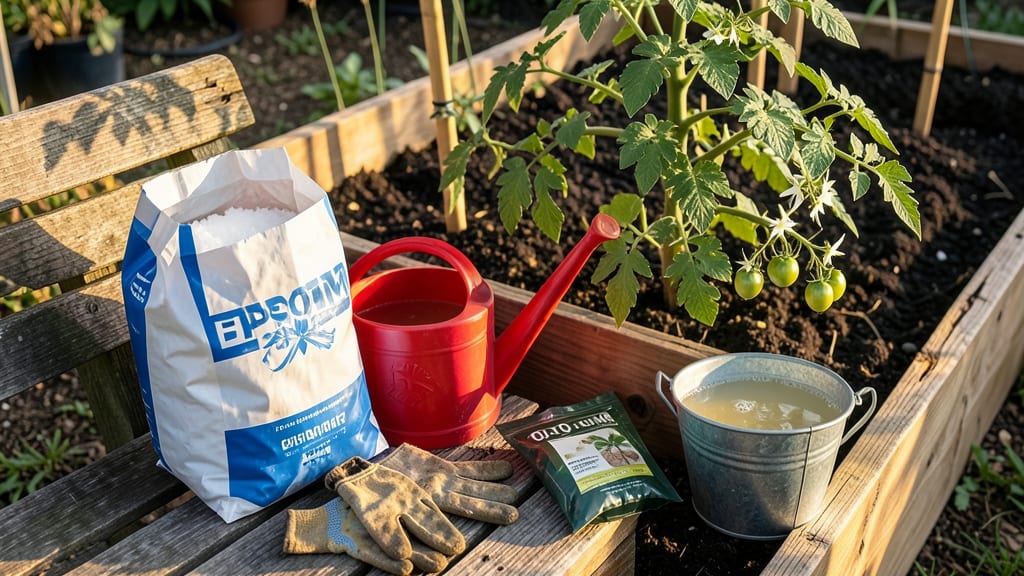
Magnesium for gardens boosts plant health by fixing soil deficiencies that cause yellowing leaves and stunted growth, particularly in magnesium-loving crops like tomatoes and peppers. Use Epsom salt or dolomitic lime as soil amendments for quick results.
Magnesium acts as the backbone of chlorophyll, the green pigment that powers photosynthesis—so when plants lack it, leaves turn yellow between veins (a classic deficiency sign). 🌱 This nutrient is also mobile in plants, meaning symptoms often appear first in older leaves.
Unlike potassium or calcium, magnesium doesn't get easily washed away, but it's still crucial to replenish it regularly, especially in acidic soils where it becomes less available. I've seen dramatic turnarounds in struggling tomato plants within weeks of applying magnesium amendments.
For best results, test your soil first—most garden centers offer affordable magnesium tests. Epsom salt (magnesium sulfate) is my go-to for quick fixes, especially during the growing season, while dolomitic lime provides a slow-release option that also raises soil pH. Foliar sprays work fast for emergency cases, but soil amendments build long-term resilience.
Timing matters too: apply in early spring before planting or mid-summer when plants are actively growing.
💡 In This Article
- How Magnesium Deficiency Affects Plant Growth
- Best Magnesium Sources and Application Methods for Gardens
How magnesium deficiency affects plant growth
Magnesium sits at the center of the chlorophyll molecule, acting like a bridge that holds the pigment together for light absorption during photosynthesis.
When plants lack magnesium, chlorophyll production grinds to a halt, causing leaves to lose their vibrant green color and develop yellow patches between veins—a condition called interveinal chlorosis.
This happens because magnesium is mobile within plants, so symptoms first appear in older leaves where the nutrient gets "stolen" to support new growth. 🌿 In severe cases, you'll also notice stunted growth, weak stems, and poor fruit development, especially in heavy feeders like tomatoes and peppers.
The deficiency process starts when soil pH drops below 6.0, making magnesium less available even if it's present. Unlike potassium or calcium—which are also essential but play different roles—magnesium doesn't get easily leached away, but it's still critical to replenish it every 2-3 years in most garden soils.
The difference between magnesium deficiency and potassium deficiency is key: potassium deficiencies cause yellowing at leaf edges, while magnesium causes yellowing between veins. Calcium deficiencies, meanwhile, often show up as distorted new growth or blossom-end rot in tomatoes.
What most gardeners don't realize is that magnesium deficiency can actually reduce a plant's ability to absorb other nutrients like phosphorus and nitrogen.
This creates a cascading effect where even if you fertilize, the plant can't use those nutrients efficiently. 🔍 For example, I've seen magnesium-deficient tomato plants with lush green leaves but no fruit—because the magnesium was tied up in leaf production rather than flowering.
The solution isn't just adding more fertilizer, but specifically targeting the magnesium deficiency first.
Soil texture plays a surprising role too. Sandy soils drain magnesium quickly, while clay soils can bind it so tightly that plant roots can't access it. Organic matter helps by creating a buffer zone where magnesium remains available.
That's why adding compost or well-rotted manure alongside magnesium amendments often gives better results than using magnesium alone. The ideal soil magnesium level sits between 150-300 parts per million (ppm), but most garden soils fall below this threshold without regular supplementation.
Visual symptoms often appear before growth stalls completely. Look for:
- Yellowing between veins: Classic magnesium deficiency sign, starting in older leaves
- Purple or red stems: A secondary symptom in severe cases, caused by anthocyanin buildup
- Weak fruit development: Even with plenty of water and sunlight, plants produce small or misshapen fruit
- Curling leaves: Often accompanied by a brittle texture, especially in peppers and tomatoes
Once you spot these signs, the damage is already done to those leaves—but new growth can recover quickly with proper magnesium treatment. The key is catching it early, before the plant's overall health declines. 💫