
Tools
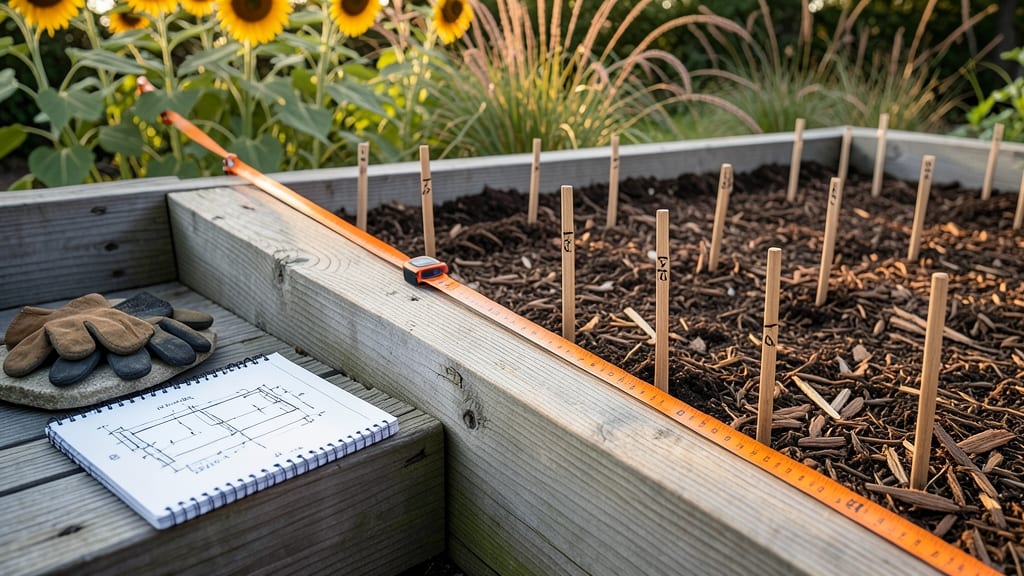
Standard garden bed sizes typically range between 4 feet wide and 8–12 feet long, with a depth of 6–12 inches to ensure optimal plant growth and accessibility. Raised beds often follow 4’ x 8’ or 4’ x 12’ dimensions for efficient soil management and weeding.
Why these dimensions matter? A 4-foot width lets you reach the center without stepping on soil, preventing compaction and making maintenance easier. 🌱 Longer beds (up to 12 feet) maximize space efficiency, while the 6–12-inch depth accommodates root systems and improves drainage.
I’ve found that rectangular shapes work best for most home gardens—they fit standard lumber sizes and allow for better plant arrangement.
For raised beds, the 4’ x 8’ or 4’ x 12’ standard isn’t arbitrary—it aligns with common lumber lengths (like 8-foot boards) and reduces material waste. In-ground beds can vary more, but sticking close to these proportions helps with even water distribution and easier access.
Whether you’re growing vegetables, herbs, or flowers, these sizes balance productivity with practicality.
💡 In This Article
- How Garden Bed Dimensions Impact Plant Health and Yield
- Choosing the Best Garden Bed Size for Your Space and Plants
How garden bed dimensions impact plant health and yield
The 4-foot width isn’t just a random measurement—it’s rooted in human ergonomics and plant science. When you stand at the center of a 4-foot-wide bed, your arms can comfortably reach both sides without stepping into the soil.
Compacted soil from foot traffic reduces oxygen flow to roots, which can stunt growth. For example, tomatoes need well-aerated soil to develop strong root systems, and a 4-foot width ensures you can tend to them without damaging the soil structure. 🌱
Depth plays a critical role in root development and drainage. A 6-inch depth works for shallow-rooted plants like lettuce or radishes, while deeper beds (12 inches) accommodate root crops like carrots or potatoes.
The extra depth also improves moisture retention during dry spells and prevents waterlogging in heavy clay soils. For instance, a 10-inch-deep bed can hold about 30% more water than a 6-inch one, which is crucial for drought-prone regions.
Length affects how efficiently you use space and manage irrigation. Beds longer than 8 feet can create challenges with even water distribution—water tends to pool at the ends.
That’s why 4’ x 8’ or 4’ x 12’ dimensions are ideal: they allow for consistent moisture levels when using drip irrigation or soaker hoses. Longer beds also let you grow more plants in a smaller footprint, which is perfect for urban gardens where space is limited.
Soil health benefits from these dimensions too. A 4-foot width makes it easier to rotate crops seasonally, reducing the buildup of pests and diseases. For example, planting basil in one bed and switching to tomatoes the next year disrupts the life cycle of soil-borne pathogens.
The rectangular shape also aligns with how most garden tools (like hoes or rakes) are designed, making maintenance more efficient. 💫
Another key factor is how these dimensions interact with plant spacing. Most vegetables need 12–24 inches between plants to compete for nutrients and light. A 4-foot width allows for two rows of plants with adequate spacing, while the length lets you maximize row length.
For instance, in a 4’ x 8’ bed, you could fit four rows of bush beans with 6 inches between plants and 18 inches between rows—perfect for high-yield production.
Finally, the depth affects soil temperature regulation. Deeper beds (10–12 inches) stay cooler in summer and warmer in winter, creating a more stable environment for root crops. Shallower beds (6 inches) are better for fast-growing greens that don’t need as much root space.
This balance ensures your plants thrive year-round, regardless of your local climate. ✨