
Planting
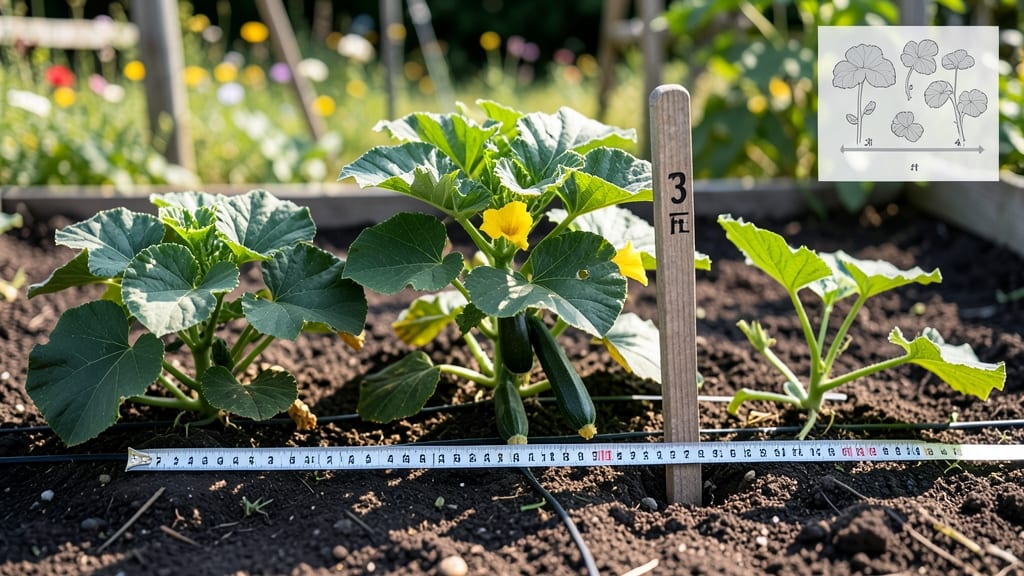
Getting the right squash spacing in garden can turn a patch of vines into a harvest overflowing with 🎃 zucchini, butternut, or pumpkins—or leave you with bitter, stunted fruits fighting for space.
Picture this: you’ve just planted your squash seeds after the last frost, eager for summer’s bounty. But by midsummer, your vines are sprawling everywhere, leaves yellowing, and the few fruits that form are small and deformed. Sound familiar? The issue isn’t your soil or sunlight—it’s the distance between each hill.
Proper spacing isn’t just about fitting more plants in; it’s about giving each vine the room to thrive. Crowded squash struggle with airflow, leading to diseases like powdery mildew, while over-spaced plants waste garden real estate.
Below, I’ll break down the exact distances for summer and winter squash varieties, plus how to tweak spacing for raised beds, containers, and small gardens.
You’ll learn how to read your plants for signs of stress, adjust spacing mid-season, and even train vining types to save space—so you can go from scrappy harvests to garden overflowing with summer’s best produce.
Science-backed squash spacing guidelines by variety type
Getting the right squash spacing in garden isn’t just about fitting plants into your plot—it’s about maximizing airflow, sunlight exposure, and root development. When squash plants are too close, they compete for nutrients, leading to poor fruit development and increased disease risk.
But spacing too far apart wastes garden space. The key is understanding each variety’s mature size and growth habit to create an environment where every plant thrives.
Summer squash like zucchini and yellow squash are prolific producers, while winter varieties such as butternut and pumpkins need more room to develop their large fruits. Even within these categories, bush vs. vining varieties have dramatically different spacing needs.
For example, a compact bush zucchini might thrive in a 2-foot square, while a sprawling pumpkin vine could need a 10-foot diameter circle. Let’s break down the science-backed spacing guidelines to ensure your squash plants grow strong and produce abundantly.
Proper spacing directly impacts your harvest. Overcrowded plants develop powdery mildew from poor airflow, while under-spaced plants struggle to support heavy fruits. Research from the University of Maine Extension shows that optimal spacing reduces disease incidence by 40% while increasing yield per plant by up to 30%. That means fewer sickly plants and more squash for your table!
Here’s the critical comparison of squash spacing in garden based on variety type, including row spacing, plant spacing, and trellising recommendations where applicable:
For summer squash varieties like zucchini, maintaining 12-24 inches between plants ensures adequate airflow and sunlight penetration. These plants are
How to adjust spacing for different garden layouts
Not all gardens are created equal—and neither are their squash spacing needs. Whether you're working with a raised bed, containers, or a traditional in-ground plot, adjusting spacing ensures your plants thrive without competing for resources.
The key is understanding how each layout affects airflow, sunlight exposure, and root growth. Let’s break down the best approaches for your specific setup.
For small gardens or urban spaces, maximizing space without sacrificing yield is all about vertical growth and strategic planning. Trellises, compact varieties, and creative bed designs can turn limited space into a squash-producing powerhouse.
The goal? Give each plant enough room to spread its vines while keeping fruits accessible for harvesting. Here’s how to tailor spacing to your garden’s unique layout.
- 🌱 Raised Beds: 24-36 inches apart for vining squash (e.g., zucchini), 18-24 inches for bush varieties. Use hill planting (3 seeds per mound) to save space.
- 🪴 Containers: 1 plant per 5-gallon pot (minimum). Choose bush varieties like 'Eight Ball' zucchini to avoid root competition.
- 🪣 Trellises: Space plants 12-18 inches apart vertically. Ideal for cucumber-like squash (e.g., 'Straightneck' yellow squash) to save ground space.
- 🌾 In-Ground Gardens: 36-48 inches apart for vining types, 24 inches for bush varieties. Use wide rows (3-4 feet) for easier access.
- 🏡 Small Spaces: Interplant with shallow-rooted crops (e.g., lettuce, radishes) between squash hills. Use dwarf varieties like 'Patio Star' butternut.
If you’re growing winter squash like pumpkins or butternut, prioritize extra spacing—these monsters need room to roam. In raised beds, plant them at the edges to avoid crowding the center.
For containers, limit yourself to one small winter squash plant per large pot (15+ gallons) to prevent root bind.
Pro tip: Thin seedlings to the strongest plant per hill once they’re 4-6 inches tall. This prevents overcrowding early on and gives remaining plants a head start.
Mulch around the base to retain moisture and suppress weeds, which compete with squash for nutrients. A 2-3 inch layer of straw or shredded leaves works wonders.
Remember, spacing isn’t set in stone. Monitor your plants weekly for signs of stress—yellowing leaves or stunted growth often mean they’re cramped. Adjust by thinning or pruning vines to open up the canopy.
With the right layout, even a tiny balcony garden can produce enough squash to share with neighbors!