
Pests
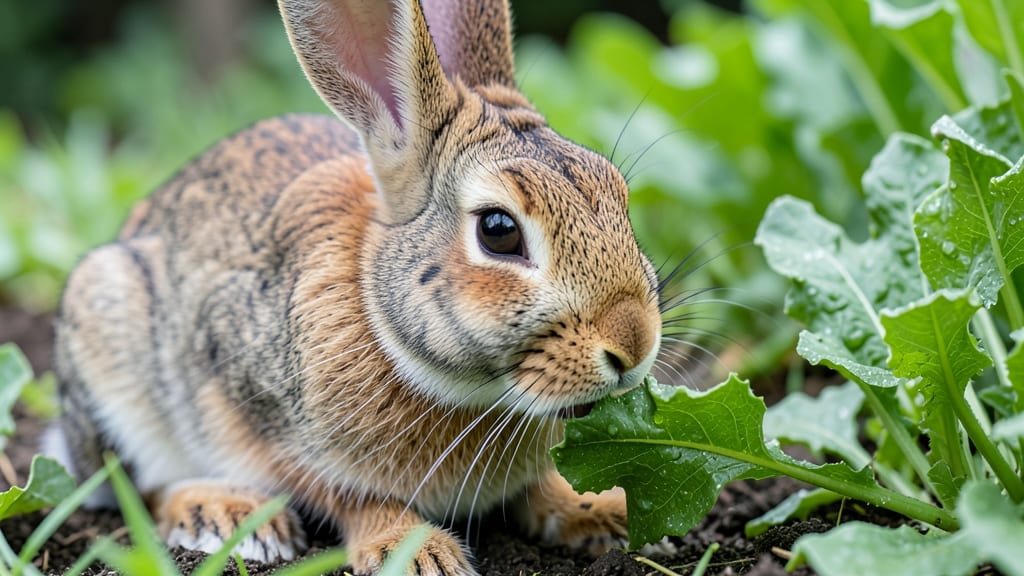
Rabbits and vegetable gardens create a high-stakes battle where rabbits systematically destroy tender plants by stripping leaves, gnawing stems, and uprooting young seedlings. Their relentless feeding patterns can obliterate entire harvests in just one night, forcing gardeners to implement layered defenses to preserve their hard work.
These furry pests don't just nibble—they leave behind unmistakable signs of destruction. 🐇 Look for clean-cut edges on leaves (not the jagged bites of deer) and half-eaten plants that appear as if someone used scissors.
The most vulnerable crops include lettuce, kale, and peas, but even established plants like tomatoes and peppers can suffer if rabbit populations aren't controlled. What makes this especially frustrating is how quickly damage escalates during breeding season, when young rabbits develop an insatiable appetite for fresh greens.
The key to protection lies in combining physical barriers with behavioral deterrents. A sturdy chicken wire fence buried at least 12 inches deep is your first line of defense, while motion-activated sprinklers create an effective (and humane) scare tactic.
I've also found that planting rosemary or thyme around the garden perimeter acts as a natural rabbit repellent, though you'll need to reinforce these measures during peak feeding times in spring and fall.
💡 In This Article
- Common Rabbit Damage Patterns in Vegetable Gardens
- Effective Rabbit-Proofing Strategies for Vegetable Gardens
Common rabbit damage patterns in vegetable gardens
Rabbits employ a methodical approach to garden destruction, starting with what scientists call "leaf notching"—they systematically remove small, half-moon-shaped sections from leaf edges, leaving behind a jagged, scalloped pattern.
This isn't random nibbling; their incisors are designed to create precise cuts that minimize plant stress while maximizing caloric intake. 🐰 Young seedlings are particularly vulnerable because their tender stems contain higher water content (up to 90% moisture), making them irresistible to rabbits whose diet requires 1-2 pounds of vegetation daily during active growth seasons.
The damage escalates when rabbits progress to "bark stripping," where they gnaw the cambium layer—the plant's growth tissue—just beneath the bark. This creates a telltale ring around stems that eventually girdles the plant, cutting off nutrient flow.
Root exposure happens when rabbits dig shallow burrows (typically 6-12 inches deep) to access carrots, radishes, or beets, completely uprooting plants in the process.
The most devastating pattern occurs in spring when young rabbits (called "kits") emerge with a voracious appetite, capable of consuming 50% of a garden's foliage in just 2 weeks.
Seasonal variations reveal critical patterns: winter damage is often persistent as rabbits rely on stored food, while spring/summer attacks are more opportunistic. 🌱 What's particularly insidious is how rabbits avoid toxic plants (like foxglove) but target high-value crops—lettuce, spinach, and peas—which contain 15-20% protein, a key nutrient rabbits need.
The difference between seasonal and persistent damage lies in rabbit behavior: established colonies will return daily, while transient rabbits move on after depleting local resources.
Visual identification is key to distinguishing rabbit damage from other pests. Look for these hallmark signs:
- Clean-cut edges: Unlike deer bites (which are jagged), rabbit damage has precise, 1/4-inch-wide notches
- Height preference: Rabbits rarely eat above 2 feet—their short legs limit reach
- Selective feeding: They leave behind tough stems or woody plants they can't digest
What most gardeners don't realize is how quickly damage compounds. A single rabbit can consume 1 square foot of garden per night, and their droppings (typically 20-50 pellets per day) spread pathogens that further weaken plants. The compounding effect makes early intervention critical—waiting until you see visible damage means your garden is already 30-50% compromised.
Understanding these patterns helps tailor defenses. For example, chicken wire fencing works best when buried 12 inches deep (rabbits can jump 2 feet vertically), while motion-activated sprinklers should be placed 18-24 inches from plants to create an effective deterrent zone.
The key is matching the prevention method to the specific damage pattern you're observing in your garden.