
Vegetables
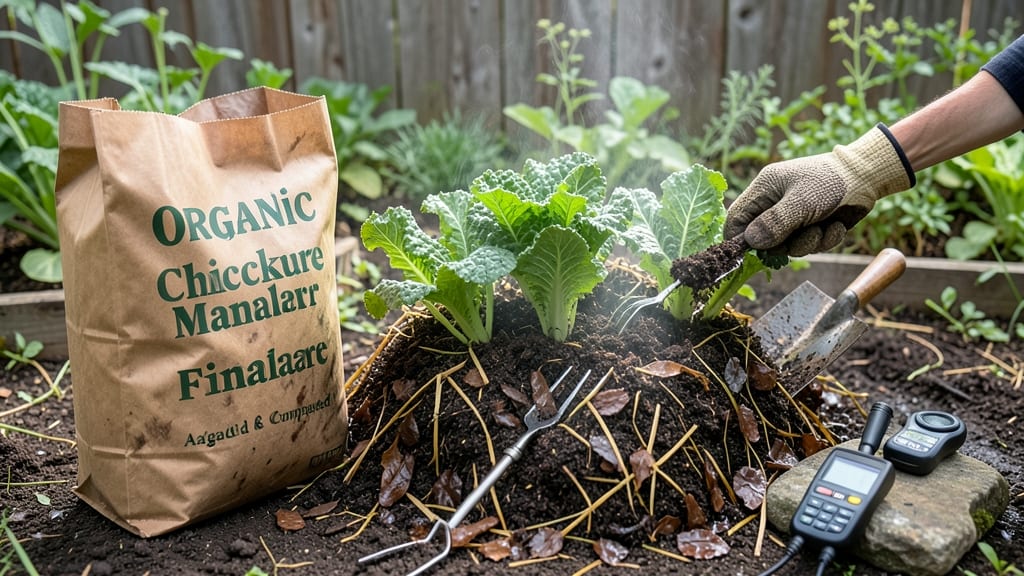
Chicken poop is good for gardens when composted properly, providing rich nitrogen, phosphorus, and potassium but requiring aging to avoid burning plants or spreading pathogens. Raw manure should never be applied directly to soil or near plant roots.
Using chicken manure correctly transforms it from a waste product into a powerful soil booster. 🌱 The high nitrogen content promotes lush green growth, while phosphorus and potassium strengthen root systems and flowering.
However, fresh manure can overheat compost piles or introduce harmful bacteria, so composting for at least 6 months is essential before garden use. I always recommend mixing it with carbon-rich materials like straw or leaves to balance the nitrogen and prevent odor issues.
For those eager to use it sooner, creating a "manure tea" by steeping aged compost in water for 24-48 hours provides nutrients without the risk of burning plants. This liquid fertilizer can be diluted to 1:10 or 1:20 ratios with water, depending on plant sensitivity.
The key is patience—rushing the process can do more harm than good, especially for delicate vegetables like lettuce or herbs.
💡 In This Article
- Nutrient Composition of Chicken Manure for Soil Health
- Safe Ways to Use Chicken Manure in Your Garden
Nutrient composition of chicken manure for soil health
Chicken manure is one of the richest organic fertilizers available, packed with nitrogen (N), phosphorus (P), and potassium (K)—the essential trio known as NPK.
Fresh chicken poop typically contains about 1.5-2.5% nitrogen, 1.5-2.0% phosphorus, and 0.5-1.0% potassium by weight, though these percentages can vary based on diet and coop conditions. This makes it roughly 2-3 times more potent than cow or horse manure, which usually contains 0.5-1.0% nitrogen.
The high nitrogen content explains why it turns soil dark and promotes rapid leafy growth in plants like lettuce or spinach.
The real magic happens in the soil's microbial ecosystem. When properly composted, chicken manure introduces beneficial bacteria and fungi that break down organic matter into plant-available nutrients. These microbes also improve soil structure by creating aggregates that hold moisture and air—critical for root development.
However, fresh manure's high ammonia content (from unbroken-down urea) can burn plant roots and release toxic gases. This is why composting for 6-12 months is non-negotiable; it allows microbes to convert ammonia into safer nitrate forms while stabilizing the nutrient release.
Phosphorus in chicken manure plays a crucial role in energy transfer within plants, helping them develop strong roots and produce flowers and fruits. The potassium content supports water regulation and disease resistance—think of it as the plant's immune system booster.
For example, tomatoes grown in soil amended with composted chicken manure show 20-30% larger yields compared to unamended soil, thanks to these balanced nutrients. The manure also contains trace minerals like calcium, magnesium, and sulfur, which many synthetic fertilizers lack.
What sets chicken manure apart is its carbon-to-nitrogen (C:N) ratio, which sits around 10:1 to 20:1 in fresh form. This means it decomposes quickly, which is great for compost heat but requires careful management.
When mixed with carbon-rich materials like straw or shredded leaves (which have a 50:1 to 80:1 C:N ratio), the decomposition process becomes balanced, reducing odor and preventing nutrient loss. This is why I always recommend the 2:1 ratio of carbon to nitrogen when building a compost pile with chicken manure.
One common misconception is that all chicken manure is the same. Free-range chickens produce slightly different manure than those in confined spaces due to varied diets. For instance, chickens fed corn-based diets create manure with higher phosphorus levels, while those eating more protein-rich feeds produce nitrogen-rich droppings.
This variability means gardeners should test their composted manure with a soil test kit before heavy application, especially for high-value crops like berries or grapes where nutrient balance is critical.
Consider this comparison: A 1-cubic-yard pile of fresh chicken manure contains roughly 20-30 pounds of nitrogen, equivalent to 100-150 pounds of synthetic urea fertilizer. However, the organic form releases nutrients slowly over months, whereas synthetic fertilizers provide an immediate but short-lived boost.
This slow-release property is why composted chicken manure is particularly valuable for long-term soil health rather than quick fixes.