
Lawn
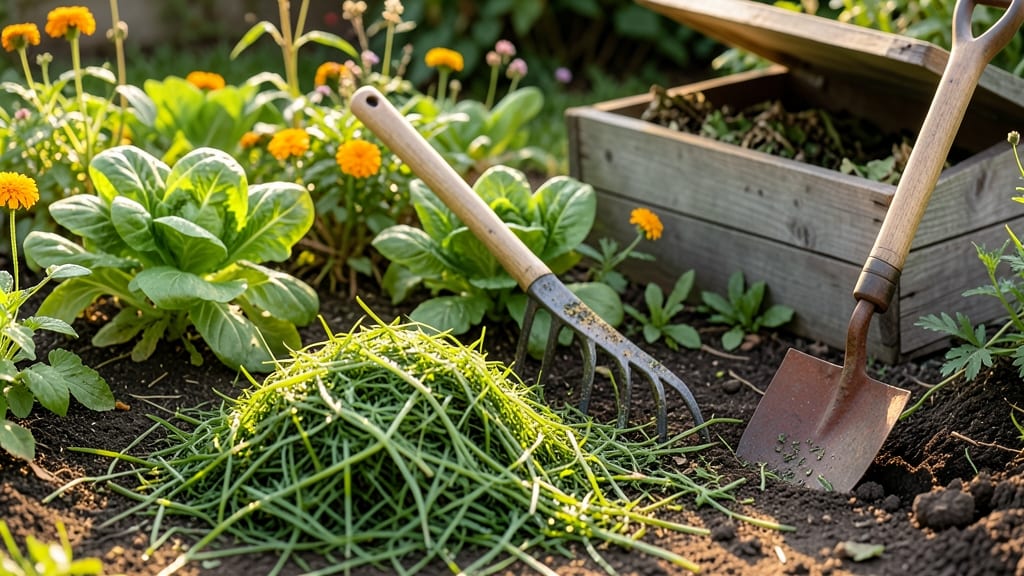
Putting grass clippings in your garden returns valuable nitrogen-rich nutrients to the soil, reducing fertilizer needs while improving soil structure and moisture retention. Always mow high and leave clippings whole to avoid thatch buildup.
Grass clippings act like a natural fertilizer, breaking down quickly to release nitrogen—a key nutrient plants crave. 🌱 This process, called "grasscycling," mimics how leaves decompose in forests, feeding soil microbes that strengthen root systems.
I've seen gardens thrive with this method, especially when paired with mulching—just spread them thinly over beds after mowing. The key is consistency; a little each time prevents matting and keeps your soil happy without smothering plants.
For best results, aim for a 3-4 inch mow height to keep clippings manageable and avoid clumping. If your lawn has thick grass, consider mixing clippings with other organic matter like shredded leaves or straw to balance carbon and nitrogen ratios.
This combo creates a nutrient powerhouse that outpaces store-bought fertilizers while cutting costs.
💡 In This Article
- How Grass Clippings Improve Soil Fertility
- Best Practices for Using Grass Clippings in Gardens
How grass clippings improve soil fertility
Grass clippings are packed with nitrogen—a crucial nutrient that plants need to build strong leaves and stems. When you leave them on your lawn or garden, they decompose rapidly, releasing this nitrogen in a form that soil microbes can quickly convert into plant-available nutrients.
This process happens through microbial breakdown, where bacteria and fungi transform the clippings into humus, a dark, spongy material that improves soil structure. 🌱 Unlike synthetic fertilizers that provide a quick but short-lived nitrogen boost, grass clippings release nutrients gradually over weeks, creating a more sustainable feeding cycle.
The decomposition rate depends on factors like clipping size, moisture, and temperature. Finely chopped clippings from a 3-inch mow height break down in about 2-3 weeks, while longer clippings from a 4-inch cut may take up to 4-6 weeks.
Warm, moist soil (ideal for microbial activity) speeds this up, while dry or cold conditions slow it down. For comparison, traditional compost takes 2-6 months to fully decompose, but grass clippings offer a faster, more immediate nutrient return when used correctly.
What makes clippings unique is their high nitrogen-to-carbon ratio (about 1:10), which is perfect for feeding microbes. When mixed with carbon-rich materials like leaves or straw (ratio 1:2), they create an ideal environment for microbial growth.
These microbes then produce enzymes that break down organic matter further, releasing phosphorus and potassium—secondary nutrients plants need for root development and flowering. This natural cycle reduces your need for chemical fertilizers by up to 25-50%, depending on your garden's size and plant types.
One common misconception is that grass clippings will smother plants or create thatch. In reality, the risk comes from leaving clippings in thick layers (½ inch or more) or using a mulching mower on wet grass, which creates mats that block sunlight and air.
To avoid this, spread clippings thinly (¼ inch) and water lightly afterward to help them settle. For container gardens, mix clippings with potting soil at a 1:4 ratio to prevent compaction while still providing nutrients.
Consider this: A single mowing of a 1,000 sq ft lawn can return 5-10 pounds of nitrogen to the soil—enough to fertilize a small vegetable garden for a season. This natural approach not only cuts costs but also improves soil aeration and water retention, making plants more resilient to drought.
The key is consistency; regular applications build soil health over time, much like how a forest floor thrives on fallen leaves. 💫