
Tools
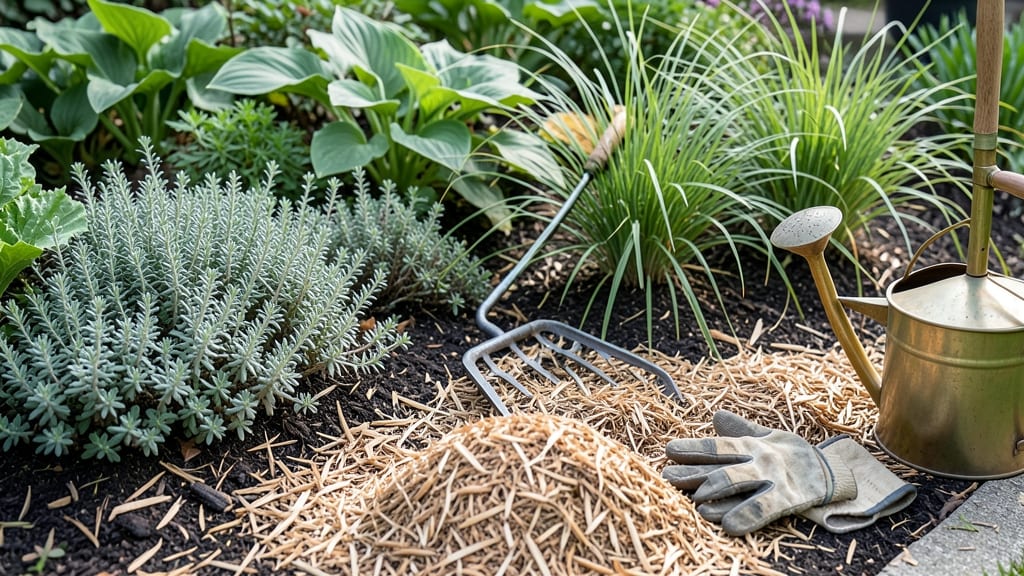
Pine shavings in the garden can boost soil acidity and drainage for plants like blueberries and azaleas, but overuse risks lowering pH too much and depleting nutrients over time. Always compost them first and apply them sparingly to avoid plant stress.
Pine shavings work wonders for acid-loving plants because their natural acidity mimics the forest floor conditions these species thrive in. 🌳 However, their high carbon-to-nitrogen ratio means they break down slowly, which can temporarily tie up nitrogen in the soil—starving plants of essential nutrients.
I've seen gardeners accidentally stunt growth by piling them too thickly, so always mix them with compost or leaf mold first to balance the effects. For mulching, a 2-inch layer is ideal, but check your plants' leaves regularly: yellowing or curling often signals overuse.
If you're unsure about pine, try alternatives like oak or cedar shavings, which have milder effects on soil chemistry. These break down more evenly and won't send your pH plummeting.
For container gardens, I recommend pre-composting pine shavings for 3-6 months before use—this softens their impact while still delivering those acidity benefits. The key is patience and moderation!
💡 In This Article
- How Pine Shavings Affect Soil Chemistry and Plant Health
- Best Practices for Using Pine Shavings in Garden Beds and Mulch
How pine shavings affect soil chemistry and plant health
Pine shavings lower soil pH by releasing organic acids like phenolic compounds and resins as they decompose. These compounds create a slow-release acidity effect, which is why plants like blueberries (pH 4.5-5.5) and azaleas (pH 5.0-6.0) thrive with them.
The breakdown process also stimulates beneficial mycorrhizal fungi, which help plants absorb phosphorus—critical for root development. However, this acidification happens gradually over 6-12 months, not immediately.
The high carbon-to-nitrogen (C:N) ratio of pine shavings (around 400:1) is both their strength and weakness. While this ratio makes them excellent for long-term organic matter, it temporarily ties up nitrogen in the soil as microbes decompose the material.
This can cause nitrogen deficiency in plants, visible as yellowing leaves or stunted growth. For comparison, compost has a balanced 20:1 C:N ratio, breaking down much faster without nutrient theft.
Microbial activity is key here. Pine shavings encourage actinobacteria and fungi-dominated decomposers, which prefer acidic conditions. These microbes help break down complex organic matter but compete with plants for nitrogen.
In my own garden, I've noticed that adding 1 part pine shavings to 2 parts compost creates a balanced environment where both microbes and plants get enough nitrogen while maintaining ideal acidity levels.
One often-overlooked benefit is their water retention and drainage properties. Pine shavings create a loose, airy mulch that prevents soil compaction while slowly releasing moisture. This is especially useful for sandy soils, where nutrients wash away easily.
The aromatic terpenes in pine also act as a natural pest deterrent, though they won't repel everything—slugs, for example, are largely unaffected. 🌱
For container gardens, pine shavings can be particularly useful when mixed with peat moss or coconut coir, which both have acidic properties. The combination creates a self-regulating pH environment that stays stable over time.
However, avoid using fresh pine shavings directly in containers—they'll acidify too quickly, potentially harming sensitive plants like ferns or gardenias that prefer pH 5.5-6.5.
What most gardeners don't realize is that pine shavings' effects vary by species. Eastern white pine shavings, for example, have a milder acidifying effect than loblolly pine due to lower resin content.
If you're working with highly sensitive plants, it's worth testing your shavings first by burying a small amount in soil and monitoring pH changes over 4-6 weeks.