
Tools
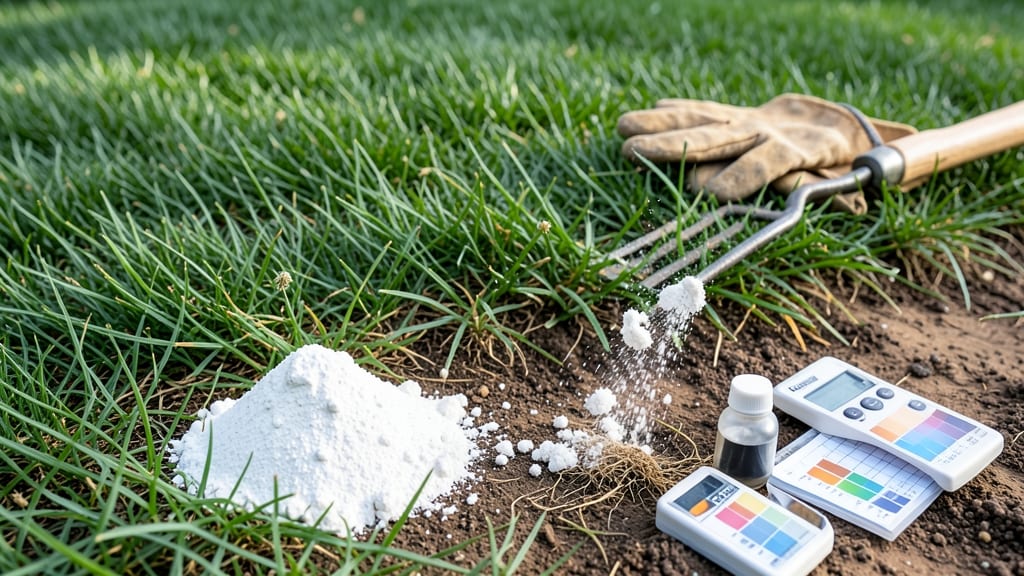
Putting lime in your garden at the right time can transform soil pH and unlock healthier plants 🌱—but timing is everything for maximum effectiveness.
Struggling with yellowing leaves or stunted plant growth? Your soil might be too acidic—and adding lime at the wrong time could even harm your garden. The key is understanding when your plants need it most, whether you're prepping for spring blooms or winter crops.
Most gardeners get the best results by applying lime in late winter or early spring, before planting season kicks off. This gives the soil time to adjust pH levels naturally, ensuring roots get the ideal balance of nutrients from day one.
Below, I’ll walk you through the science behind seasonal lime application, how to test your soil properly, and why some plants actually thrive in acidic conditions. You’ll learn exactly when to skip this step—and when to double down for stronger, more vibrant plants.
Best times of Year to apply lime for optimal soil pH balance
If your garden soil is too acidic, adding pelletized lime can restore balance—but timing matters. Applying lime at the wrong season can disrupt plant growth or waste your efforts.
Most gardeners agree that late winter to early spring is the best time to amend soil pH before planting season kicks off. However, regional climates and soil types can shift this window slightly.
For example, in USDA Zone 6a (like much of the Midwest), I apply lime in February or March to give it time to work before spring planting. In warmer climates like Zone 9, fall application (September-October) can be ideal to avoid summer heat stress on plants.
Understanding your local frost dates and soil conditions is key to maximizing lime’s effectiveness.
🌱 Best Times to Apply Lime
- 1. Late Winter (Jan-Feb) – Ideal for northern climates. Lime has 2-3 months to adjust pH before planting.
- 2. Early Spring (Mar-Apr) – Best for cool-season crops like peas and lettuce. Apply 4-6 weeks before planting.
- 3. Fall (Sep-Oct) – Works for warm climates or perennial beds. Avoid applying too close to frost.
- ❌ Avoid Summer – Heat and rain can wash lime away before it’s effective. Skip unless retesting soil.
Pro Tip: Test soil pH before applying lime. Aim for a target pH of 6.0-7.0 for most vegetables and flowers.
Why does timing matter so much? Lime isn’t an instant fix—it takes 2-6 months to fully adjust soil pH, depending on your soil type. For example, sandy soils react faster than clay soils.
If you apply lime too close to planting, your crops may still struggle with acidity. Conversely, applying it too early (like winter in cold climates) can leave it inactive until spring.
Another critical factor is rainfall patterns. Heavy rains can dilute lime’s effects, so I avoid applying it during monsoon seasons or right before winter thaw. In drought-prone areas, a light watering after application helps lime integrate without leaching away.
Always check your local weather forecast before spreading lime to ensure it stays in place.
For perennial gardens, fall application can be a game-changer. By adding lime in September or October, it has time to work over winter, giving perennials like roses or fruit trees a head start in spring.
Just be cautious with acid-loving plants like blueberries or azaleas—these thrive in acidic soil (pH 4.5-5.5) and don’t need lime at all.
What about container gardens? The rules are similar, but the scale is smaller. Mix lime into potting soil in early spring or fall, using ½ teaspoon per gallon of soil.
Since containers dry out faster, avoid over-amending—stick to small, measured doses and retest pH annually. Over-liming can create alkaline shock, harming sensitive plants like caladiums or gardenias.
One common mistake I see is assuming all lime is created equal. Pelletized lime (like dolomitic lime) is easier to spread and less messy than powdered forms. If you’re using agricultural lime, apply it in thin layers to prevent clumping.
Always wear a dust mask and gloves—lime can irritate skin and lungs. After application, lightly rake it into the top 2-3 inches of soil for even distribution.
To track your progress, I recommend retesting soil pH 3-6 months after applying lime. Use a digital pH meter or send a sample to your local extension office for accurate results.
If your soil pH is still too low after one application, you may need to reapply lime in the next growing season. Patience and consistency are key—think of lime as a long-term soil investment, not a quick fix.
Remember, the goal isn’t just to raise pH but to create balanced, fertile soil. Pair lime with organic matter like compost to improve soil structure and microbial activity. Together, they’ll give your plants the perfect growing conditions for years to come. Happy gardening! 🌿
How to test your soil before adding lime: step-by-step guide
Before reaching for that bag of lime, you must know your soil's pH. Most vegetables, fruits, and flowers thrive in a 6.0-7.0 pH range. If your soil is too acidic (below 6.0), lime can help—but only if you test first.
Skipping this step risks overcorrecting pH or wasting money on unnecessary amendments.
Testing soil pH is easier than you think. You can use DIY methods like vinegar/baking soda tests for quick results, or invest in a digital pH meter or lab test for precision. For home gardeners, I recommend starting with a home test kit (around $15) for accuracy without lab costs.
Here’s when to use each method:
- Vinegar/baking soda test: Fast but rough estimate (good for beginners)
- Home test kit: Reliable, color-coded results (best for most gardeners)
- Digital meter: Quick digital readout (great for frequent testing)
- Lab test: Most accurate (ideal for serious gardeners or large plots)
| Soil pH Level | Lime Needed? | Action Required | Best Time to Apply |
|---|---|---|---|
| Below 5.5 | Yes (highly acidic) | Apply pelletized lime (1-2 lbs per 100 sqft) | Late winter/early spring |
| 5.5-6.0 | Moderate (check plants) | Light application (0.5-1 lb per 100 sqft) | Fall or early spring |
| 6.0-7.0 | No (ideal range) | Add compost instead | Year-round (as needed) |
| Above 7.0 | No (alkaline soil) | Use sulfur or peat moss | Avoid lime entirely |
After testing, wait 2-3 months before applying lime. This gives the soil time to react naturally. For example, if your test shows a pH of 5.2, apply lime in late winter so it’s ready for spring planting. Always water the soil after applying lime to help it dissolve.
Pro tip: Retest soil 3-4 months after applying lime. Over-limeing can make soil too alkaline, harming plants like blueberries or azaleas. Keep a garden journal to track pH changes over time.
Remember, lime takes time to work. Patience is key—don’t rush the process! 🌱