
Planting
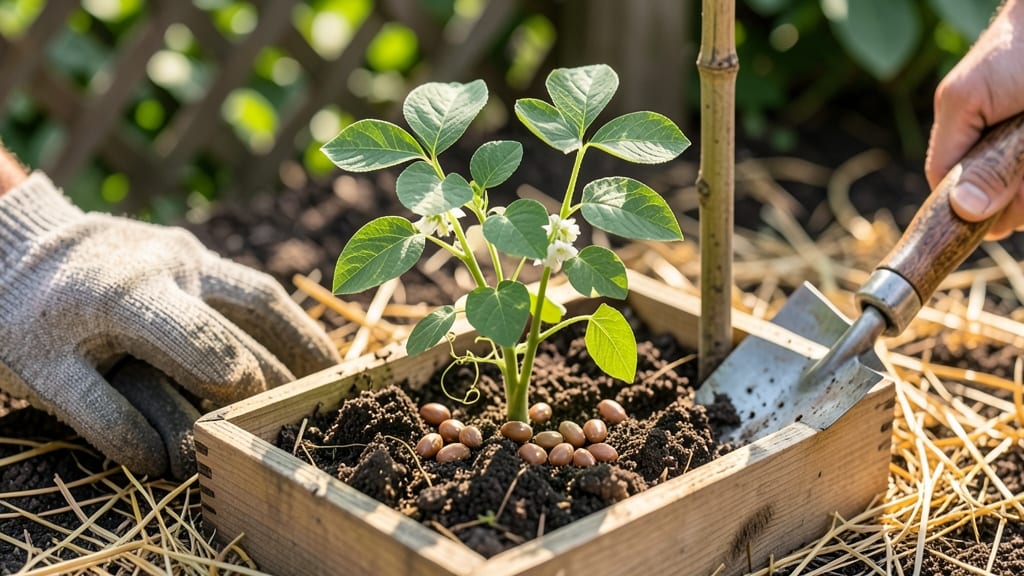
To plant string beans in a garden 🌱, start by waiting until the soil reaches at least 60°F—this simple step can double your germination speed.
If you’ve ever watched your string bean seeds take weeks to sprout, you’re not alone. The secret isn’t just patience—it’s soil warmth, which triggers faster root growth and stronger plants. Once you nail the timing, you’ll see those first green shoots in just 5–7 days instead of two weeks.
String beans thrive in well-drained soil with full sun, but getting the temperature right is the game-changer. In USDA Zone 6a, that means planting after your last frost (around late April to early June) when the ground stays consistently warm.
A quick soil check with a thermometer or even your wrist (warm but not hot) will tell you when it’s ready.
Below, I’ll walk you through the exact steps—from seed depth and spacing to watering tricks—that turn slow starters into a fast-growing harvest of tender pods in 60–70 days. No more waiting around for beans to show up!

Optimal soil temperature and timing for planting string beans
String beans are sensitive to soil temperature, and planting them at the right time can mean the difference between fast, uniform germination and weeks of frustration.
The ideal soil temperature range for string beans is between 50°F and 60°F—any colder, and germination slows dramatically, while temperatures above 85°F can stunt growth. Understanding these triggers helps you time your planting for maximum success, especially across USDA zones 3–10.
In cooler climates like USDA zones 3–5, wait until the soil reaches at least 55°F before planting, typically after the last frost date in late spring. Warmer zones (USDA zones 6–10) can start as early as March, but avoid planting when nighttime temperatures dip below 50°F.
A soil thermometer is your best tool for precision—stick it 2 inches deep to measure the temperature where seeds will germinate.
Here’s how to align your planting with seasonal soil warmth for faster germination:
For bush beans, which germinate slightly faster than pole varieties, aim for 55°F soil or warmer. Pole beans, however, tolerate a wider range (down to 50°F) and can even handle slightly cooler nights better, making them ideal for USDA zones 4–6.
If you’re in a transitional zone, consider using row covers to add 5–10°F of warmth and extend your planting window by 2–3 weeks.
Timing isn’t just about temperature—it’s also about moisture consistency. String beans need consistent soil moisture to germinate, but avoid waterlogged conditions, which can rot seeds. After planting, keep the soil evenly moist (not soggy) until germination.
A light misting with a spray bottle works best for freshly planted seeds, while deeper watering (1 inch per week) supports established plants.
Pro tip: If your soil is still too cold in spring, try soaking seeds overnight in warm water to jumpstart germination. This method can shave off 2–3 days from the sprouting process, especially in USDA zones 3–5.
Just be sure to plant the soaked seeds within 24 hours to avoid drying out. Pair this with a warmth-loving companion plant like corn or radishes, which can help raise soil temperatures naturally through their root activity.
In warmer climates (USDA zones 8–10), fall planting is a game-changer. Aim for September sowings when daytime temps stay above 70°F but nights cool to 60°F. This strategy lets you harvest before the first frost while avoiding the heat stress of summer planting.
Use a soil thermometer to confirm temperatures—don’t guess! Even a 5°F drop can delay germination by a week or more.
One common mistake is planting too early in USDA zones 4–6, only to watch seeds rot in cold, wet soil. To test readiness, press your hand into the soil: if it feels like a cooled cup of tea (warm but not hot), it’s time to plant.
If it’s still chilly, wait another week or use black plastic mulch to accelerate warming. Remember, pole beans are more forgiving than bush varieties when it comes to temperature fluctuations, so they’re a great choice for cooler regions.
For maximum yield, align your planting with the peak soil warmth of your region. In USDA zones 3–5, this is typically late May–early June, while zones 6–10 can start as early as March.
By mastering these soil temperature triggers, you’ll ensure your string beans sprout quickly, grow vigorously, and reward you with a bountiful harvest—all while avoiding the pitfalls of planting too soon or too late.
Step-by-step planting process for maximum germination success
Planting string beans correctly is the foundation for fast germination and a bountiful harvest. I’ve learned that even small details like seed depth and soil warmth can make the difference between slow sprouts and vigorous growth.
Let’s break down the proven steps I use to ensure my string beans pop up in just 5–7 days instead of weeks.
First, you’ll need well-draining soil with a pH between 6.0–7.0—this is critical for root development. I always test my soil before planting and amend it with compost if needed.
The right soil temperature (60–70°F) triggers faster germination, so waiting for the soil to warm up after the last frost is key.
🌱 Step-by-Step Planting Guide
- 1 Prepare the Soil: Loosen soil to 6–8 inches deep and mix in 2–3 inches of compost for nutrients. Avoid fresh manure, which can burn seeds.
- 2 Plant Seeds at Correct Depth: Drop 3–4 seeds per hole 1 inch deep and 2–3 inches apart. Over-deep planting delays germination, while shallow planting risks drying out.
- 3 Space Rows Properly: For bush beans, space rows 18–24 inches apart. For pole beans, allow 3–4 feet between rows to support trellises.
- 4 Use Companion Planting: Pair with corn and potatoes (the "Three Sisters" method) to improve soil and deter pests. Avoid planting near onions or garlic, which stunt growth.
- 5 Water Gently After Planting: Keep soil moist but not soggy—use a spray nozzle to avoid displacing seeds. Mulch with straw or grass clippings to retain warmth and moisture.
- 6 Monitor for Sprouts: Germination typically takes 5–14 days, depending on soil warmth. Thin seedlings to 3–4 inches apart once they’re 2 inches tall, keeping the strongest plants.
After planting, I always check for even moisture—this prevents seeds from drying out before sprouting. A simple trick I use is placing a black plastic mulch over the soil to absorb heat during the day and release it at night, which speeds up germination by 2–3 days.
For pole beans, install trellises or stakes at planting time to avoid damaging roots later. I’ve found that bamboo stakes work best because they’re sturdy yet flexible enough to support climbing vines without breaking. This also saves space in smaller gardens.
Once your string beans sprout, focus on consistent watering and weed control to keep plants healthy. I water mine in the early morning to reduce evaporation and fungal risks. With these steps, you’ll see your first harvest-ready pods in just 60–70 days!