
Tools
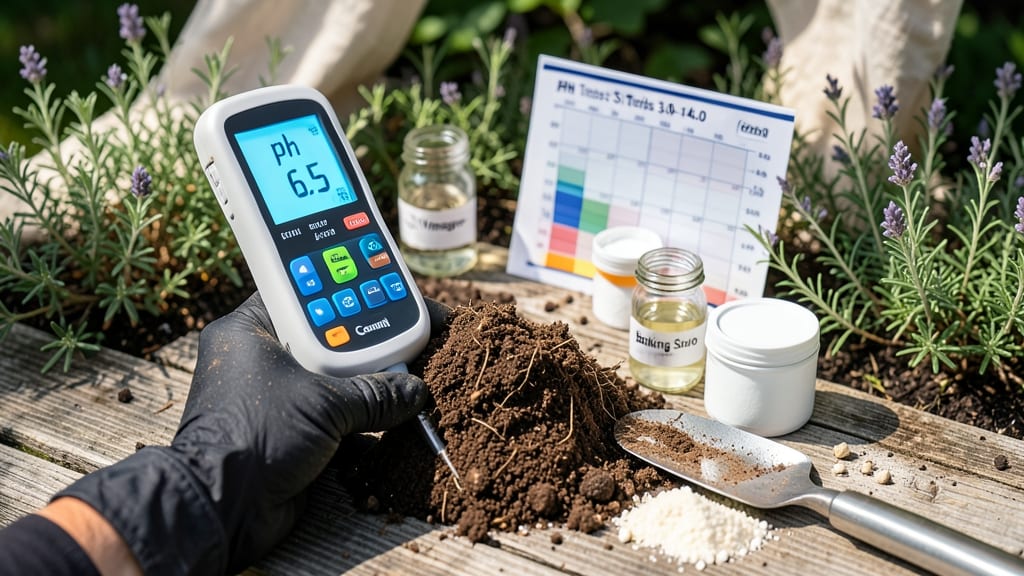
Determining the ideal pH for garden soil means aiming for 6.0–7.0 for most vegetables and flowers, while acid-loving plants like blueberries and azaleas need 4.5–5.5. Regular soil testing with a pH kit or meter helps ensure your plants absorb nutrients efficiently and stay healthy.
Soil pH directly impacts which nutrients your plants can access—think of it like a lock and key system. 🌱 For example, tomatoes and peppers struggle when soil pH drifts above 7.0 because they can't absorb iron or manganese, leading to yellow leaves even when soil looks fertile.
On the flip side, blueberries won't thrive unless the pH stays below 5.5, as their roots need acidic conditions to release aluminum and manganese. Most garden soils naturally lean slightly acidic (around 6.0), but urban areas or heavily amended soils can swing to 8.0 or higher, creating hidden nutrient deficiencies.
Testing is simple: grab a basic pH test kit (around $10) or borrow a digital meter from your local extension office. I recommend testing in early spring before planting—this gives you time to adjust with organic amendments like sulfur (to lower pH) or crushed limestone (to raise it).
Pro tip: split your test into multiple spots in the garden, since pH can vary by just a few feet. For example, my raised beds tested at 6.8 in one corner but 7.3 near the compost pile, requiring targeted fixes.
💡 In This Article
- How Soil pH Affects Plant Nutrient Availability
- Step-by-Step Guide to Testing and Adjusting Garden Soil pH
How soil pH affects plant nutrient availability
Soil pH acts like a gatekeeper for nutrient access—when it's too high or too low, essential minerals become locked away or toxic to plants.
For instance, nitrogen (critical for leaf growth) becomes unavailable when pH exceeds 7.5, while phosphorus (key for root development) struggles below 6.0. 🌱 The magic happens between 6.0-7.0 where most nutrients like potassium, calcium, and magnesium remain soluble and plant-accessible.
This is why your tomatoes might show nitrogen deficiency (yellow leaves) in alkaline soil, even if you've fertilized heavily.
Iron and manganese—vital for chlorophyll production—become nearly inaccessible above pH 7.0. I've seen gardeners scratch their heads when their peppers develop interveinal chlorosis (yellowing between veins) only to discover their soil tested at 7.8. The solution?
Acidifying amendments like elemental sulfur or iron sulfate can drop pH by 1-2 points over a season, making these nutrients available again. Conversely, acid-loving plants like blueberries and hydrangeas can't absorb aluminum and manganese unless pH stays below 5.5.
Microbial activity in soil also depends on pH balance. Beneficial bacteria and fungi that break down organic matter thrive between 6.0-7.0, creating a healthy ecosystem where nutrients are constantly recycled. Outside this range, harmful microbes can dominate, releasing toxins that stunt plant growth.
For example, my garden's compost pile maintained at pH 6.5 consistently produced richer humus than my neighbor's alkaline soil (pH 8.0), which smelled sour and repelled earthworms.
Here's what happens at extreme pH levels:
- Below 5.0: Aluminum and manganese become toxic, damaging root systems while essential nutrients like phosphorus and calcium precipitate out of solution
- Above 8.0: Nitrogen becomes locked as ammonium (NH₄⁺) instead of nitrate (NO₃⁻), which plants can't absorb efficiently, while iron and zinc become insoluble
- At 7.0 (neutral): Optimal balance where most nutrients exist in soluble forms that plant roots can easily uptake
Even small pH shifts matter—every 1.0 pH unit represents a tenfold change in hydrogen ion concentration. That means soil at pH 6.0 has 10 times more acidity than pH 7.0, which dramatically affects nutrient chemistry.
For example, phosphorus availability drops by 50% when pH moves from 6.5 to 7.5, explaining why phosphorus fertilizers often fail in alkaline soils.
Visualize it like a seesaw: as pH moves toward acidity, iron and manganese tip upward in availability while calcium and magnesium sink. In alkaline conditions, the opposite occurs. This is why soil testing should always include a full nutrient analysis—not just pH—to understand what your plants are actually missing. 💡