
Light Requirements
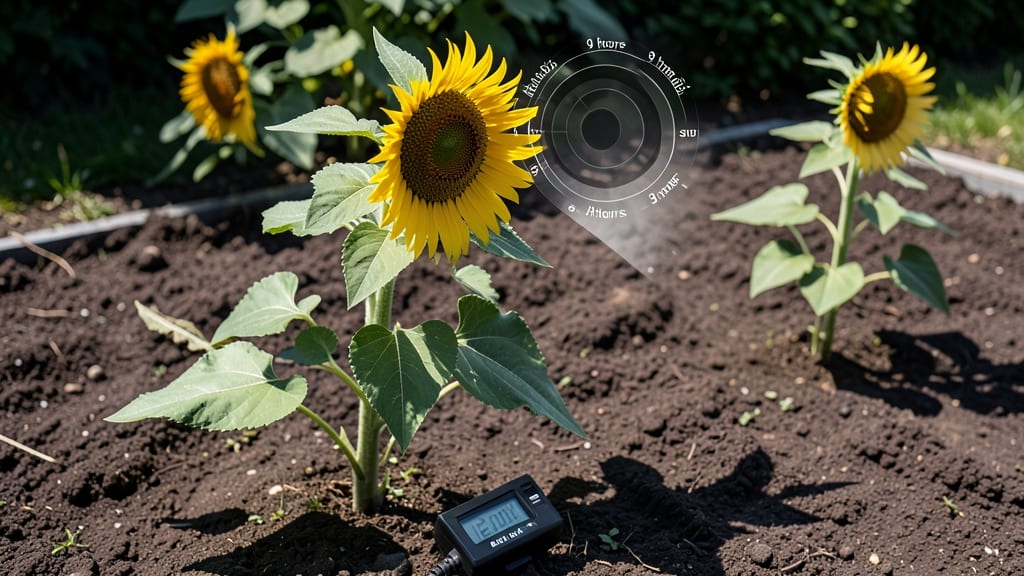
Garden sunlight needs are all about finding that sweet spot: too little and your plants stretch weak, too much and they crisp at the edges — most thrive with 6 to 8 hours of direct light daily.
Struggling to keep your garden thriving? Sunlight is the secret ingredient most gardeners get wrong — too little and plants languish, too much and they burn. Discover the exact sunlight hours your plants truly need to grow lush and strong.
Whether you're growing sun-hungry tomatoes or shade-tolerant ferns, understanding light requirements is the key to a bountiful harvest. I’ll break down how to measure sunlight in your space, adjust for seasonal shifts, and pick the perfect spot for every plant in your General Garden 🌱.
From full-sun powerhouses like zucchini to delicate shade lovers like impatiens, you’ll learn which plants crave morning sun vs. afternoon shade, and how to troubleshoot common mistakes like leggy seedlings or scorched leaves.


Sunlight requirements by plant type: full sun vs. partial shade vs. low light
Understanding how many hours of sunlight your garden needs is the first step to creating a thriving outdoor space. Full sun (6+ hours), partial shade (3-6 hours), and low light (<3 hours) each support different types of plants.
Getting this right means the difference between lush vegetables and wilted leaves—or between vibrant flowers and sad, leggy stems.
Most gardeners assume their yard gets consistent sunlight, but shadows from trees, buildings, or even neighboring plants can drastically reduce exposure. For example, a tomato plant in partial shade may produce fewer fruits, while a fern in full sun will crisp and die.
Let’s break down the exact sunlight needs for common garden categories to help you place plants perfectly.
🌱 Full Sun (6+ hours) is ideal for vegetables like peppers, cucumbers, and marigolds. These plants thrive when basking in direct rays, converting sunlight into energy for rapid growth and abundant harvests. Without enough light, they’ll stretch toward any available source—a condition called etiolation—resulting in weak stems and poor yields.
🌿 Partial Shade (3-6 hours) suits herbs like basil and cilantro, as well as flowers such as impatiens and coleus. These plants appreciate morning sun but prefer afternoon shade, especially in hot climates. Too much direct sun can scorch their leaves, while too little will cause them to become sparse and pale.
🌳 Low Light (<3 hours) is perfect for shade-loving plants like hostas, caladiums, and astilbes. These varieties evolved to thrive under tree canopies or in north-facing gardens. Placing them in bright light can stress them, leading to yellowing leaves or stunted growth.
📊 Here’s a quick comparison to help you visualize the differences in growth outcomes based on light exposure:
For vegetable gardens, prioritize full sun for tomatoes, peppers, and squash. These powerhouses need at least 6 hours of direct light to produce fruit.
If your space only gets 4-5 hours, consider container gardening near a sunny wall or using reflective surfaces like white mulch to maximize light exposure.
When it comes to herbs, most prefer partial shade. Basil, for example, bolts (goes to seed) quickly in full sun, while parsley and cilantro appreciate morning light but need afternoon shade.
A trick I use is placing herbs near the north side of my garden, where they get gentle morning rays without afternoon heat stress.
For flowers, sun-loving varieties like sunflowers and geraniums will reward you with bold blooms if given enough light. Meanwhile, shade-tolerant flowers like bleeding hearts or foxgloves will thrive in dappled light. Mixing both types in your garden creates layers of color and texture, even in spots with varying sunlight.
If you’re working with low-light areas, focus on hostas, heucheras, and astilbes. These plants add beauty to shady corners without requiring extra care. Pair them with mosses or ferns for a lush, woodland garden feel. Just avoid placing sun-loving plants here—they’ll struggle and may even die.
Pro tip: Observe your garden’s sunlight patterns for a full week before planting. Shadows shift throughout the day and seasons, so what seems like full sun in summer might turn into partial shade in winter. Adjust your layout accordingly to keep your garden thriving year-round.
How to measure sunlight in your garden and adjust for seasonal changes
Measuring sunlight in your garden isn't just about guessing—it's the foundation for choosing the right plants and maximizing their growth. Many gardeners assume their space gets more sun than it actually does, leading to underperforming crops or wilting flowers.
The key is understanding how sunlight shifts with the seasons and using simple tools to track exposure accurately.
Start by observing your garden for at least a week, noting how shadows move throughout the day. Morning sun (before 10 AM) behaves differently from afternoon sun (after 2 PM), especially in summer when shadows are shorter.
Use a sunlight calculator or free apps like Sun Surveyor to map your garden's light patterns—these tools account for your location's latitude and seasonal sun arcs.
⚠️ callout warning
⚠️ Common Mistake Alert: Overestimating Shade
Most gardeners assume their shady spots get more light than they do. A 3-hour shade spot in summer often drops to 1-2 hours in winter due to lower sun angles. Use a sunlight meter or place a white plate in the spot—if it stays cool to the touch for most of the day, it's true shade.
Seasonal changes drastically alter sunlight exposure. In summer, your garden might get 8+ hours of sun, but in winter, that same spot could receive only 3-4 hours.
Adjust by rotating sun-loving plants (like tomatoes) to sunnier spots in winter or moving shade-tolerant plants (like hostas) to brighter areas in summer. Containers make this easy—simply relocate them as needed!
Don't ignore reflective surfaces like fences or walls, which can amplify sunlight by up to 30%**. A south-facing wall reflects extra light, creating a "sun trap" that's perfect for herbs like rosemary or vegetables like peppers.
Conversely, north-facing areas often stay cooler and shadier, ideal for leafy greens or ferns that thrive in partial shade.
For container gardens, place pots on adjustable stands or use wheelbarrows to rotate them toward the sun. If your garden has obstructed sunlight (like from trees), prune branches in late winter to restore light access.
Just be mindful—removing too many branches can stress the tree, so aim for selective pruning to balance both your plants and the tree's health.
Pro tip: Track sunlight with a DIY sunlight journal. Mark your garden grid with stakes and note the hours of direct light each area receives daily. Over time, you'll spot patterns—like how a 6-hour sun spot in spring might become a 4-hour spot in fall.
This data lets you plan ahead, ensuring your tomatoes get enough light in summer while your caladiums thrive in the shadier winter months.