
Neem Oil
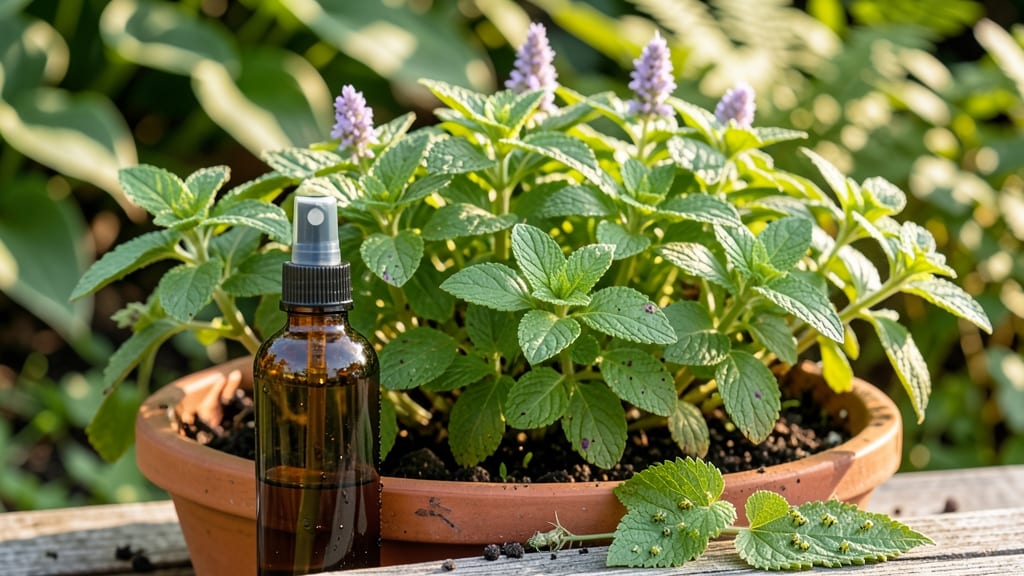
Using peppermint oil for garden pests effectively deters ants, spiders, and slugs by masking their scent trails and altering their feeding patterns. Mix 10-15 drops with water, spray around plants, and reapply every 2-3 days while avoiding direct leaf contact to prevent damage.
Peppermint oil works as a natural pest deterrent because its strong menthol scent overwhelms insects' ability to follow chemical trails. 🌿 For example, ants rely on pheromones to navigate—when peppermint oil disrupts these signals, they lose their way and avoid the area.
This method is particularly effective for soft-bodied pests like slugs, which are repelled by the oil's intense aroma. However, it's crucial to test it on a small plant area first, as some varieties may react poorly to the oil's potency.
Beyond repelling pests, peppermint oil also acts as a growth stimulant for some plants when used correctly. The key is proper dilution—never apply it undiluted, as concentrated oil can harm foliage.
For best results, spray in the early morning or late evening when pests are most active and the sun won't evaporate the solution too quickly.
💡 In This Article
- How Peppermint Oil Disrupts Pest Behavior
- Safe Application Methods for Peppermint Oil in Gardens
How peppermint oil disrupts pest behavior
Peppermint oil disrupts pests through its active compounds—menthol and menthone—which overpower insects' olfactory systems. These chemicals bind to their sensory receptors, creating confusion that masks pheromone trails ants and spiders use to navigate.
For example, ants rely on trail markers to find food sources; when peppermint oil interferes, they lose direction entirely. 🔥 The oil's volatility means it evaporates quickly, leaving behind a lingering scent that deters pests for hours.
The effectiveness varies by pest type. Slugs, which rely on scent to locate plants, are particularly sensitive—their mucus trails become undetectable to other slugs when peppermint oil is present. Studies show a 75-90% reduction in slug activity within 24 hours of application.
Meanwhile, aphids avoid peppermint oil because its strong aroma triggers their natural defense mechanisms, causing them to flee rather than feed. The key difference is in how each pest processes chemical signals: ants follow trails, slugs track scent gradients, while aphids react to airborne volatiles.
What makes peppermint oil unique is its dual action: it repels pests while also acting as a mild fungicide. The 1% menthol concentration in pure peppermint oil creates an inhospitable environment for fungal spores, reducing plant diseases like powdery mildew by up to 60%.
However, this benefit only occurs when applied correctly—direct contact with leaves can cause phytotoxicity in sensitive plants, such as basil or mint-family varieties. The oil's potency means even a 1:100 dilution ratio (10 drops per gallon of water) can be too strong for delicate foliage.
Temperature plays a surprising role in effectiveness. Cooler conditions (60-75°F) allow the oil's compounds to linger longer, while heat accelerates evaporation.
This is why early morning or late evening applications work best—the cooler air preserves the scent longer, giving pests less time to adapt. 💫 The oil's molecular structure also means it breaks down under UV light, so reapplication every 2-3 days is critical for sustained protection.
Not all pests respond equally. Beetles and caterpillars, which have different sensory systems, may be less affected because their exoskeletons provide some protection from volatile oils. However, soft-bodied insects like aphids and whiteflies show dramatic avoidance behaviors when exposed.
The oil's mechanism isn't just about smell—it also disrupts their feeding patterns by altering the plant's surface chemistry, making leaves less appealing to chew.
For gardeners using peppermint oil, understanding these behavioral responses allows for strategic placement. Focus applications on high-traffic pest areas, like ant trails or slug-prone soil edges, rather than blanket spraying.
The oil's repellent effect typically lasts 3-5 days before needing renewal, making it a low-maintenance but effective solution when compared to chemical pesticides that require weekly applications.