
Tools
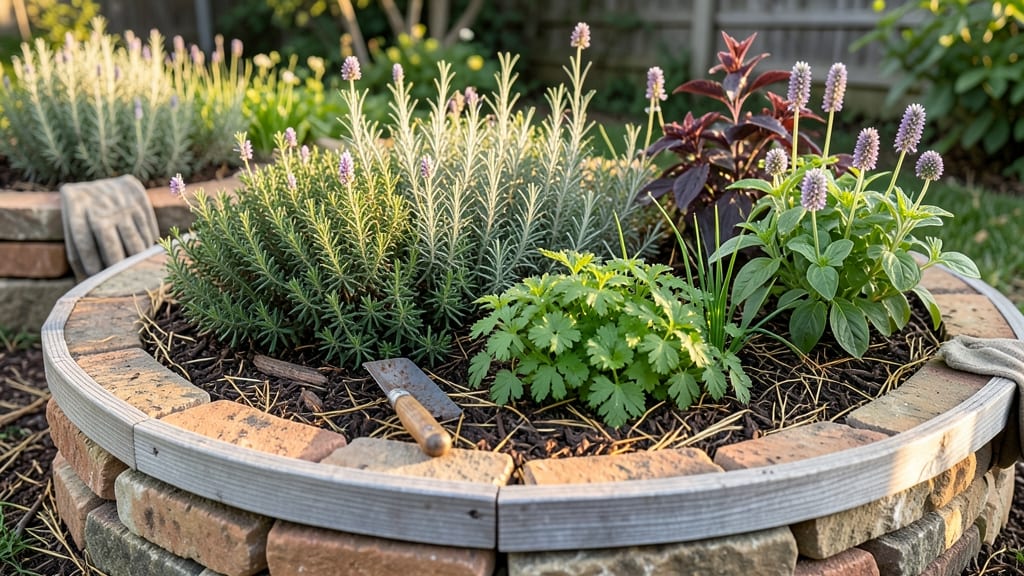
An olle garden bed is a raised, layered planting system that retains moisture while allowing excess water to drain, creating an ideal environment for small-space gardening with minimal maintenance. Its unique design promotes root growth and reduces soil compaction.
This clever gardening system uses stacked layers of materials like gravel, sand, and coconut coir to create a self-watering, low-maintenance growing space. 🌱 The layers work together to prevent soil compaction while giving roots plenty of oxygen, which translates to healthier plants that need less frequent watering.
I've seen olle beds thrive in balconies and patios where traditional gardens would struggle, making them perfect for urban gardeners with limited space.
The beauty of olle beds lies in their adaptability. You can customize the layers based on your plants' needs—adding more organic matter for nutrient-loving vegetables or extra drainage for succulents.
Plus, the raised design keeps pests at bay while making weeding a breeze. For small spaces, this system lets you grow more without sacrificing quality or ease of care.
💡 In This Article
- How Olle Garden Beds Improve Soil Health and Plant Growth
- Best Companion Plants for Olle Beds in Urban Gardens
How olle garden beds improve soil health and plant growth
The layered structure of an olle garden bed creates a dynamic ecosystem that mimics natural soil conditions while addressing common urban gardening challenges. At its core, the system uses a gravel base layer (about 4-6 inches) to ensure proper drainage, preventing waterlogging that suffocates roots.
Above this, a sand layer (around 2-3 inches) acts as a natural filter, allowing excess water to drain while retaining moisture in the upper layers. This prevents the soil from becoming compacted like traditional garden beds, where foot traffic or heavy rainfall can crush soil particles together.
The real magic happens in the upper layers where organic materials like coconut coir or peat moss (typically 3-4 inches) mix with compost.
This combination creates a highly aerated root zone—roots in compacted soil struggle to breathe, but in olle beds, the air pockets between particles allow oxygen to reach the roots efficiently. Studies show that proper aeration can increase root growth by up to 30% compared to dense soil.
The organic matter also feeds beneficial microbes, which break down nutrients into forms plants can absorb more easily.
Moisture regulation is another game-changer. The layered design acts like a natural wicking system—water added to the top layer slowly moves downward through the sand and gravel, creating a self-watering effect that keeps roots consistently hydrated without soggy conditions.
This is especially valuable in small spaces where watering consistency can be tricky. I've noticed that plants in olle beds often show fewer signs of stress like wilting or yellowing leaves, even during dry spells, because the system maintains a more stable moisture balance than traditional containers.
For urban gardeners, the reduced compaction means healthier roots that explore more of the growing space, accessing nutrients more efficiently. The raised design also keeps soil temperatures more stable—warmer in spring and cooler in summer—creating an ideal environment for root development.
Unlike in-ground gardens where soil can become hardpan over time, olle beds maintain their loose structure season after season, making them a low-maintenance solution for small-space growing.
Consider this comparison: Traditional raised beds can develop compaction in just 1-2 years of use, while olle beds maintain their structure for 5+ years with minimal intervention.
The layered approach also allows for better customization—you can adjust the mix based on your plants' needs, like adding more organic matter for heavy feeders or extra drainage for succulents.
This flexibility makes olle beds particularly effective for urban gardeners who often face space constraints and need to maximize every inch of growing area.
The result? Plants that grow faster, produce more, and require less frequent watering—all while using less soil than traditional containers. It's this combination of aeration, moisture control, and nutrient accessibility that makes olle beds such a powerful tool for small-space gardening. 🌱