
Tools
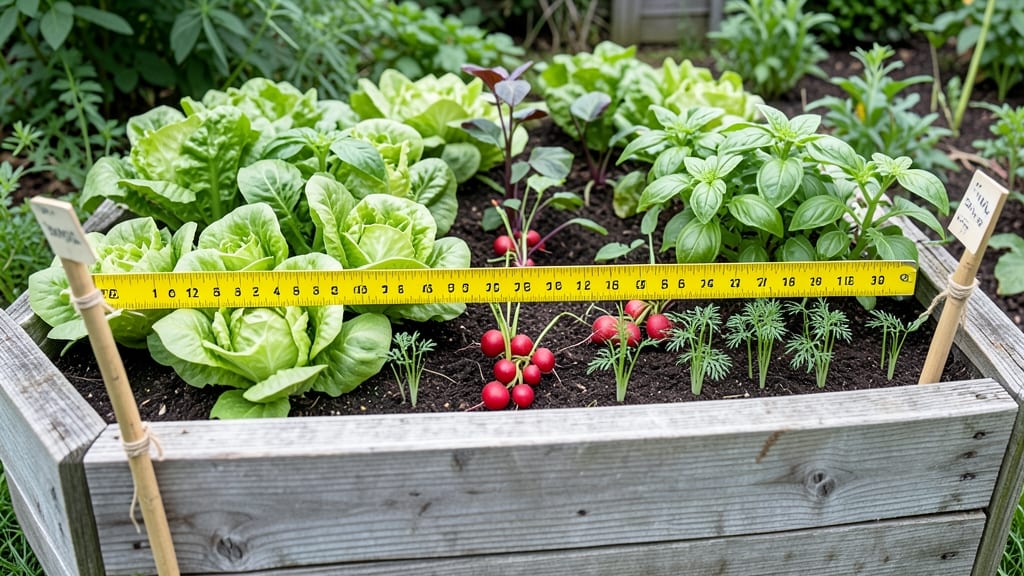
Garden bed width of 4 feet isn’t just a rule—it’s the secret to reaching every plant without straining your back or crowding your crops.
Picture this: you’re knee-deep in weeds at the center of a 6-foot-wide bed, bending over for 20 minutes just to check on your tomatoes. The 4-foot rule solves that by letting you stand comfortably and tend to plants from all sides—no more missed spots or sore muscles.
This magic number also balances plant spacing, airflow, and sunlight, which means fewer pests, healthier roots, and easier harvests. Whether you’re building a raised bed or redesigning your in-ground plot, width makes all the difference in how productive and enjoyable your garden becomes.
In this guide, I’ll break down why 4 feet works, how to adjust it for different plants, and how to design beds that fit your space—without sacrificing accessibility or aesthetics.
Why the 4-Foot garden bed width maximizes accessibility and plant growth
Ever struggled to reach the center of your garden beds without stepping on your plants? The 4-foot garden bed width isn't just a gardening myth—it's a science-backed solution designed for efficiency, health, and ease.
This width balances human reach with plant spacing needs, making your gardening tasks simpler while boosting plant productivity.
When you design beds around 4 feet wide, you create the perfect balance between accessibility and plant growth. Research shows that most adults can comfortably reach 2 feet from either side of a bed without straining.
This means you can tend to every plant without stepping into the bed, reducing soil compaction and plant damage.
The 4-foot rule also optimizes airflow and sunlight penetration to the center of the bed. Plants on the edges often get more sunlight and air circulation, but those in the middle can suffer from shading and poor airflow.
A 4-foot width ensures even sunlight distribution and better pest and disease control by reducing humidity buildup.
Another key benefit is weed suppression. Wider beds create more surface area for weeds to grow, but the 4-foot width allows you to mulch effectively and maintain control. Plus, the reduced path space between beds means more growing area for your plants.
Studies from the University of Minnesota Extension confirm that 4-foot beds reduce the need for walking on soil by up to 70%. This means less soil compaction, healthier roots, and easier maintenance. Plus, you’ll spend less time weeding and more time enjoying your garden.
For vegetable gardens, the 4-foot width allows you to grow two rows of most plants with proper spacing.
For example, you can plant tomatoes and basil on opposite sides, ensuring both get adequate sunlight and airflow. Herbs like parsley and cilantro thrive in this setup, too, as they don’t need as much space as larger plants.
If you're growing flowers or perennials, the 4-foot bed width ensures that each plant gets enough room to establish strong roots without competing for nutrients. Plants like marigolds, zinnias, and lavender benefit from this spacing, as they need airflow to prevent fungal diseases.
One common misconception is that wider beds always mean more yield. However, if you exceed 4 feet, you risk creating a "dead zone" in the center where plants struggle to thrive.
The key is to design beds with accessibility in mind—whether you're planting vegetables, flowers, or herbs.
For raised garden beds, the 4-foot rule is even more critical. Raised beds warm up faster in spring, and the 4-foot width ensures you can reach all plants without stepping inside. This is especially useful for cool-season crops like lettuce and spinach, which need early access to sunlight.
To maximize the benefits, pair your 4-foot beds with 3-foot paths between them. This gives you enough space to walk comfortably while maintaining easy access to every part of your garden. Over time, you’ll notice healthier plants, fewer weeds, and less back strain—all thanks to this simple design principle.
How to design and adjust garden beds for the 4-Foot rule
Designing your garden beds around the 4-foot rule isn't just about reaching the center—it's about creating a space that works for both you and your plants. Whether you're starting fresh or modifying existing beds, this measurement ensures you can tend to every corner without straining or stepping on soil.
For small spaces, it maximizes growing area, while larger gardens benefit from built-in paths and seating. Let’s break down how to apply this rule practically, from materials to layout.
The first decision is whether to use raised beds or in-ground beds. Raised beds give you more control over soil quality and drainage, while in-ground beds are cost-effective and blend seamlessly with your landscape.
Both can follow the 4-foot rule, but raised beds often allow for easier adjustments if you need to widen or lengthen them later. If you're working with limited space, consider vertical gardening elements like trellises alongside your beds to utilize height efficiently.
Key Considerations for 4-Foot Garden Beds
- Bed Width: Stick to 3-4 feet wide for easy access from both sides. Wider beds force you to step inside, compacting soil and inviting weeds.
- Pathways: Add 12-18 inch paths between beds for foot traffic. Use mulch, gravel, or stepping stones to define them clearly.
- Materials: For raised beds, use cedar or composite lumber (avoid treated wood near edibles). In-ground beds need amended soil with compost for fertility.
- Seating: In larger gardens, incorporate built-in benches along bed edges. This doubles as storage for tools or a spot to enjoy your harvest.
- Adjustments: If modifying existing beds, start by removing weeds and loosening soil. Use a tape measure to mark new edges before adding borders or mulch.
For small gardens, think creatively with the 4-foot rule. A 4x8-foot bed is ideal—it fits most backyard spaces and allows you to reach the center from either the north or south side (assuming your garden faces east-west).
If your space is narrow, consider two parallel 3-foot beds with a shared path. This setup works well for herbs, lettuce, or other compact plants that thrive in partial shade. In larger gardens, use the rule to create a grid-like layout with paths every 4 feet for easy navigation.
When adjusting existing beds, prioritize soil health and plant spacing. If your current beds are wider than 4 feet, divide them into narrower sections with low borders or mulch. This prevents soil compaction and makes weeding easier.
For in-ground beds, add organic matter like compost or aged manure to improve drainage and nutrient retention. If you're using raised beds, ensure they’re at least 6 inches deep to accommodate root growth for most vegetables.
Don’t overlook the importance of plant placement within your 4-foot beds. Group plants with similar water and sunlight needs together to simplify care. For example, place tomatoes and peppers near the center where they’ll get full sun, while leafy greens like spinach can thrive on the edges with partial shade.
Use mulch like straw or wood chips to retain moisture and suppress weeds, which is especially helpful in wider beds where sunlight can dry out soil faster.
Finally, make your garden beds work for you by incorporating functional design elements. Add a small trellis along one edge for climbing plants like cucumbers or beans, freeing up ground space for other crops.
In larger gardens, include a bench or two between beds so you can sit and tend to plants without bending over. These touches make gardening more enjoyable and sustainable in the long run.
With the 4-foot rule as your guide, your garden will be both productive and a pleasure to maintain.