
Tools
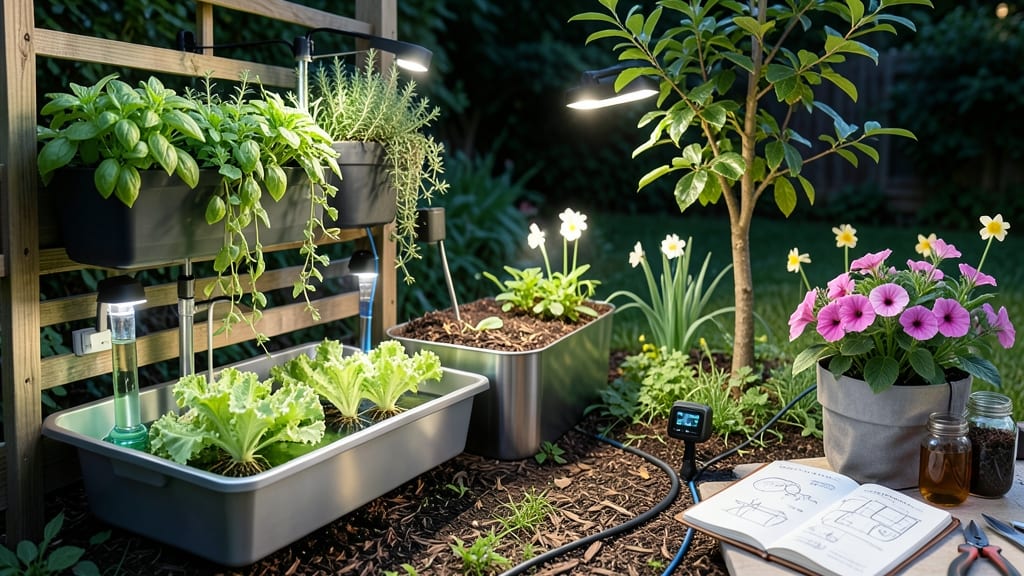
Next-level gardening YouTube channels showcase cutting-edge techniques that elevate your growing game, from automated hydroponic systems to AI-powered soil analysis and vertical farming solutions—turning small spaces into high-efficiency gardens with smart tech and data-driven precision.
These channels don't just share pretty plant photos—they dive into the science behind smart gardening, like using drones for crop monitoring or sensor-based irrigation that adjusts water delivery in real time. 🌱 I've seen creators use apps to track plant health metrics like leaf moisture and nutrient levels, which helps prevent common issues before they start.
The best part? Many of these tech-driven methods are accessible even for beginners with minimal setup costs.
What sets these channels apart is their focus on practical applications rather than just theory. For example, you'll find tutorials on converting old appliances into hydroponic systems or using 3D-printed plant supports for vertical gardens.
The creators often share their own experiments—like testing different LED grow light spectra—which helps you avoid costly trial-and-error in your own garden.
The real game-changer is how they combine traditional gardening wisdom with modern innovations. Take permaculture channels, for instance—they teach you how to design self-sustaining ecosystems while integrating solar-powered tools. This hybrid approach is perfect if you want to grow more food with less effort while keeping your garden eco-friendly.
💡 In This Article
- How Top Gardening YouTubers Use Tech for Growth
- Must-Follow YouTube Channels for Advanced Gardeners
How top gardening YouTubers use tech for growth
Leading gardening YouTubers leverage technology to transform traditional growing methods into data-driven systems. They use soil moisture sensors like the AcuRite Atlas or Terralink, which measure humidity, temperature, and electrical conductivity to recommend precise watering schedules.
These sensors connect to apps that send alerts when plants need attention, reducing waste by up to 40% compared to manual watering. The science behind this is capacitance-based sensing, which detects moisture levels without needing direct soil contact—ideal for delicate plants like orchids or hydroponic setups.
Another game-changer is AI-powered plant health monitoring, such as the Plantix app, which uses image recognition to diagnose pests, diseases, and nutrient deficiencies. Creators often demonstrate how to upload plant photos to get instant recommendations, like adjusting pH levels for blueberries or treating powdery mildew with neem oil.
For example, Urban Farmer YouTube shows how their AI-driven hydroponic system automatically adjusts nutrient doses based on real-time plant growth metrics, achieving 20% faster harvests than traditional soil methods.
Drones equipped with multispectral cameras are another tool top creators use to analyze crop health over large areas. These drones capture infrared and red spectrum data to identify stressed plants before visual symptoms appear—a technique borrowed from commercial agriculture.
Channels like Growing Your Greens showcase how hobbyists can use affordable drones (like the DJI Mini 2) to monitor 1,000 square feet of garden in under 10 minutes. The data helps optimize sunlight exposure, which can increase yield by 15-25% for leafy greens.
Automation extends to smart grow lights, where creators experiment with full-spectrum LED arrays that mimic sunlight cycles. For instance, Bright Agrotech’s Sunlike LED panels adjust color temperatures throughout the day to boost photosynthesis.
YouTube tutorials often compare red/blue LED ratios (like 80% red for flowering vs. 70% blue for vegetative growth) to maximize efficiency. This tech cuts electricity costs by 30% while improving plant quality.
Even pruning gets a high-tech upgrade. Some channels use AI-powered pruning apps like PruneTime, which analyzes branch angles and growth patterns to suggest optimal cutting points. For example, Tomato Dirt TV demonstrates how this tool helps increase tomato yields by 25% by removing unnecessary foliage that competes for nutrients.
The app’s algorithms are trained on decades of horticultural data, making it more accurate than guesswork.
What’s fascinating is how these tools democratize professional-grade gardening. A $50 soil sensor today offers the same precision as $5,000 commercial systems from 10 years ago.
Creators emphasize that the key isn’t owning every gadget but understanding how to combine low-cost tech with traditional knowledge—like using free smartphone apps for weather forecasts alongside $200 hydroponic kits for urban growers.
For beginners, the entry point is often open-source platforms like OpenAg, which provides DIY plans for $100 automated grow systems. Top channels break down how to assemble these setups, proving that next-level gardening isn’t reserved for greenhouses with six-figure budgets.
The real advantage? Real-time data turns gardening from an art into a science—where every decision is backed by measurable outcomes. 🌱