
Neem Oil
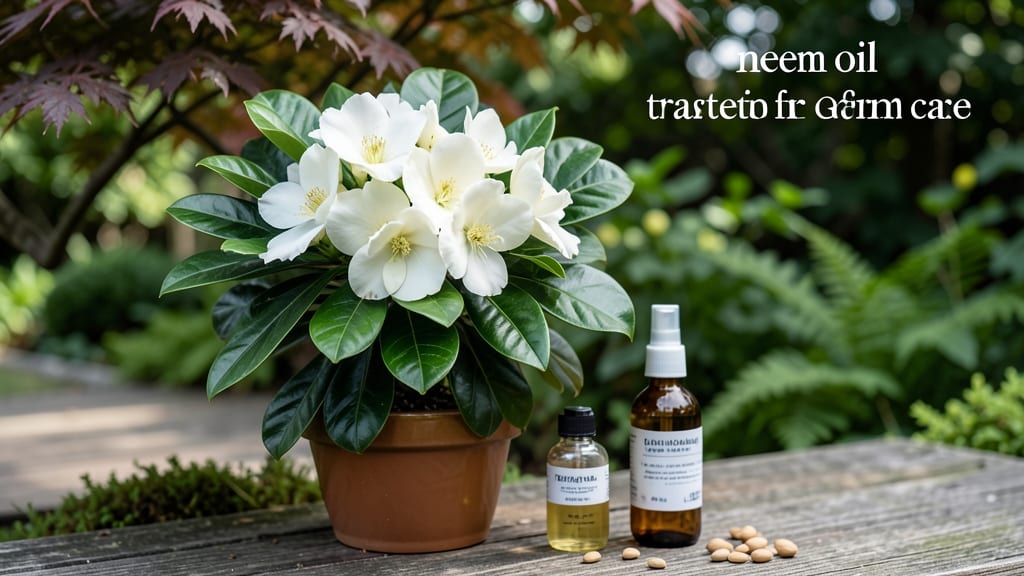
Using neem oil on gardenia plants stops yellowing and brings back fading blooms by fighting off fungal diseases, pests, and nutrient shortages. Mix a 1% solution and spray every 2-4 weeks during active growth, always avoiding direct sunlight to prevent leaf damage.
Neem oil works as a natural powerhouse for gardenias because its active compounds—like nimbin and nimbidin—actively disrupt fungal spores (such as anthracnose) and pests (like spider mites) that drain the plant's energy. 🌿 When gardenias struggle with these issues, they often respond by dropping leaves or producing weak, yellowing blooms.
The key is consistency: applying the diluted solution in the early morning or evening ensures the oil absorbs properly without causing sunburn. I’ve seen gardenias that were nearly dead return to full bloom within just a few weeks of regular treatment.
For best results, always mix your neem oil with a mild soap (like castile) to help it stick to the leaves, and avoid spraying when temperatures are above 85°F. The oil’s natural fungicidal properties make it a game-changer for gardenias, but timing and technique are everything.
Think of it as giving your plants a protective shield against the common stressors that lead to yellowing in the first place.
💡 In This Article
- How Neem Oil Fights Gardenia Yellowing and Disease
- Step-by-Step Guide: Applying Neem Oil to Gardenias
How neem oil fights gardenia yellowing and disease
Neem oil's power to revive gardenias stems from its complex blend of bioactive compounds, primarily nimbin and nimbidin. These compounds act as natural fungicides and insect repellents by disrupting the cell membranes of pathogens like Colletotrichum (the fungus behind anthracnose) and pests such as spider mites.
When gardenias develop yellowing leaves or weak blooms, it's often a sign of fungal stress or pest infestation—both of which deplete the plant's chlorophyll and nutrients.
Nimbin, for example, interferes with fungal spore germination at concentrations as low as 0.5%, while nimbidin enhances the plant's systemic resistance, similar to how some plants produce their own antifungal compounds when under attack.
The science gets even more interesting when you consider how neem oil affects plant physiology. When applied correctly, it triggers a defense response in gardenias by increasing the production of phenolic compounds—natural antioxidants that help repair damaged tissues.
This is why you'll often see new growth emerging within 2-3 weeks of consistent treatment. The oil also creates a protective film on leaves that deters pests from feeding, reducing further stress on the plant.
However, this protective barrier can backfire if applied in direct sunlight, as the oil's natural pigments absorb UV rays and cause phytotoxicity (leaf burn), which is why early morning or late evening applications are critical.
What sets neem oil apart from chemical fungicides is its multi-faceted approach. Unlike synthetic treatments that target specific pathogens, neem oil addresses the root causes of gardenia decline—fungal infections, pest pressure, and even nutrient imbalances caused by stress.
For instance, spider mites don't just feed on sap; they inject toxins that accelerate chlorophyll breakdown, leading to the yellowing you're trying to prevent. Neem oil interrupts this cycle by suffocating mites and disrupting their reproductive cycles. The result?
Healthier foliage and the return of those fragrant, creamy-white blooms gardenias are famous for.
You might wonder why neem oil works better than, say, copper fungicides for gardenias. The answer lies in its selective toxicity: it targets harmful organisms while being gentle on beneficial microbes in the soil and even pollinators like bees.
Copper, on the other hand, can build up in the soil over time and harm microbial life. Neem oil's safety profile makes it ideal for gardenias, which are often grown in containers or as prized specimen plants where chemical residues are a concern.
Plus, the oil's natural origin means it breaks down quickly in the environment, leaving no harmful byproducts.
For visual learners, imagine this: a gardenia leaf under a microscope before treatment shows clusters of fungal spores and tiny spider mites clinging to the underside, while after treatment, the leaf appears cleaner and more vibrant.
The difference is dramatic because neem oil doesn't just mask symptoms—it actively restores the plant's health at a cellular level. This is why gardeners who've struggled with yellowing for years often see results within just one growing season of regular neem oil applications.
One common misconception is that neem oil only works for fungal issues. In reality, its benefits extend to correcting nutrient deficiencies caused by stress. When gardenias are under attack, they often can't absorb nutrients like magnesium or iron efficiently, leading to yellowing between veins—a classic sign of chlorosis.
Neem oil helps by reducing the plant's stress levels, allowing it to redirect energy toward nutrient uptake. Think of it as giving your gardenia a full-body detox and immune boost all in one treatment.