
Plants
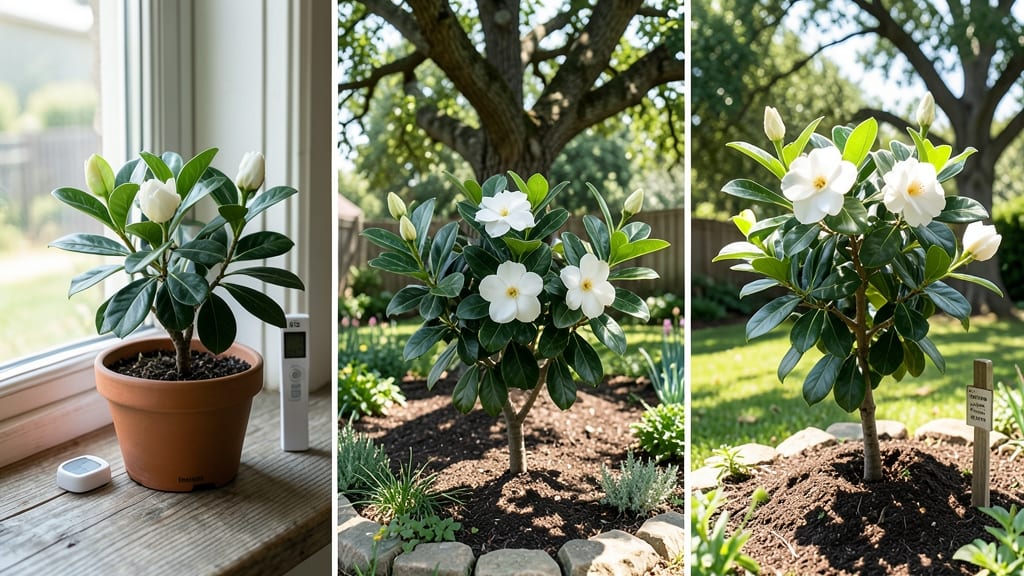
A gardenia plant thrives in partial shade or morning sun 🌸 — the difference between fragrant blooms and sad, sparse flowers.
Struggling to get your gardenia to bloom? The battle between sun and shade might be the secret weapon—or the silent killer—of your fragrant dreams.
Too much direct afternoon sun can scorch those glossy leaves, while too little light means fewer blooms and leggy growth. The sweet spot? Bright, indirect light for 4-6 hours daily, with morning sun and afternoon shade protecting your plant from harsh rays.
In this guide, I’ll break down how to read your gardenia’s light needs, the best varieties for shady spots, and how to adjust placement without shocking your plant—so you can enjoy those intoxicating blooms all season.
 Best Window Placement
How much sunlight does a gardenia plant need for optimal blooms?
If you've ever wondered why your gardenia plant refuses to bloom or develops yellow leaves, the answer might be hiding in its sunlight exposure. Gardenias are famously finicky about light—too much sun scorches their delicate leaves, while too little shade stunts their fragrant blooms.
The sweet spot? Morning sun with afternoon shade, a balance that mimics their natural tropical habitat.
This delicate balance isn't just about hours of light—it's about light intensity and heat management. Gardenias thrive in partial shade, where they receive bright, indirect light for most of the day.
Think of it like a gentle sunbath: enough to fuel photosynthesis but not so intense it causes stress. In my own garden, I've learned that even a few hours of direct afternoon sun can turn a lush gardenia into a crispy, sad specimen.
Regional variations play a huge role in determining the perfect spot for your gardenia. In hot, dry climates like Arizona or Southern California, gardenias need even more shade protection—think 50% afternoon shade with morning sun.
I once placed a gardenia in full sun in my Arizona patio, and within weeks, it looked like it had been kissed by a desert sun—browned edges and all.
Conversely, in cooler, cloudier regions like the Pacific Northwest, gardenias can handle more direct sunlight, especially if they're protected from harsh afternoon rays. My friend in Seattle grows hers in a south-facing window with sheer curtains, and it blooms like crazy.
The key is observing how your plant reacts—if the leaves start curling or developing yellow spots, it's begging for more shade.
One common misconception is that gardenias need full sun like sun-loving plants such as roses or lavender. Nothing could be further from the truth! While those plants thrive in 6+ hours of direct sun, gardenias reject intense sunlight.
Their tropical origins mean they're adapted to gentle, diffused light under a canopy. If you're moving a gardenia from shade to sun, do it gradually—sudden exposure can cause leaf scorch or even bud drop.
Signs of light deprivation are often subtle but telltale. If your gardenia's leaves are pale green or yellowing, it's not getting enough light. The plant may also stretch toward light sources, a condition called etiolation, where stems grow long and leggy.
On the flip side, sunburned leaves appear as crispy, brown patches, usually on the edges. Both conditions can be prevented with the right light balance and protective strategies, like using lightweight shade cloth during peak afternoon hours.
For indoor gardenias, the challenge is finding the right window. East-facing windows provide ideal morning light without the harsh afternoon sun, while west-facing windows can be too intense. South-facing windows work best with sheer curtains or a sheer shade screen.
I keep my indoor gardenia about 3 feet from an east-facing window, and it blooms consistently. Pro tip: Rotate the pot quarter-turns weekly to ensure even growth.
Balancing light for maximum fragrance means paying attention to bloom triggers. Gardenias need a combination of bright, indirect light and consistent moisture to produce those heavily scented flowers. When light conditions are perfect, you'll see buds forming in spring, followed by fragrant blooms in summer.
If your gardenia is struggling, try moving it to a slightly brighter spot—just avoid direct sun. And remember, healthy leaves are the foundation of beautiful blooms.
If you're still unsure about your gardenia's light needs, start with partial shade and observe. Adjust gradually—move it closer to a window if it's leggy, or add shade if the leaves are crisping.
With the right balance, your gardenia will reward you with lush foliage and intoxicating fragrance all season long.
Shade-tolerant gardenia varieties: best choices for low-light gardens
Not all gardenias crave full sun—some thrive in partial shade or even indoor conditions, making them perfect for low-light gardens or houseplants with bright indirect light. If your gardenia struggles to bloom in dimmer spots, these shade-tolerant varieties might be your solution.
They trade some fragrance intensity for resilience, but with the right care, they’ll still reward you with stunning blooms.
For indoor gardeners or shady outdoor spaces, varieties like 'Kleim’s Hardy' and 'Radicans' are standout performers. These cultivars adapt better to low-light conditions than sun-loving types, though they’ll still need bright indirect light to thrive.
Let’s compare their needs, fragrance trade-offs, and care secrets to help you pick the perfect shade-friendly gardenia.
If you’re growing gardenias indoors, 'Radicans' is my top pick for its compact size and adaptability to east-facing windows. Its milder fragrance won’t disappoint—think of it as a delicate, fragrant houseplant rather than a full-sun powerhouse.
For outdoor shade gardens, 'Kleim’s Hardy' delivers the best balance of blooms and resilience, handling 3-4 hours of morning sun without scorching.
Here’s the trade-off: shade-tolerant varieties often produce fewer blooms and less intense fragrance than sun-loving types. But with grow lights (12-14 hours/day) or a south-facing window, you can boost blooming in 'Radicans' or 'Fortuniana'.
For example, I’ve seen 'Fortuniana' double its blooms when placed near a bright kitchen window with reflected light from nearby plants.
Pro tip: Rotate your gardenia weekly if indoors to prevent lopsided growth toward the light source. And always use well-draining, acidic soil (pH 5.0-6.5)—this is non-negotiable for shade varieties, which are more prone to root rot in soggy conditions.
A mix of peat moss and perlite works wonders for both indoor and outdoor shade plants.
Ready to transform your shady spot into a fragrant oasis? Start with 'Kleim’s Hardy' for outdoor shade or 'Radicans' for indoor growing—both will reward you with glossy leaves and occasional blooms, even in low light.
Just remember: patience is key. Shade gardenias take 1-2 years to mature and bloom, but the wait is worth it for that first whiff of sweet, creamy perfume on a summer evening.