
Fertilization
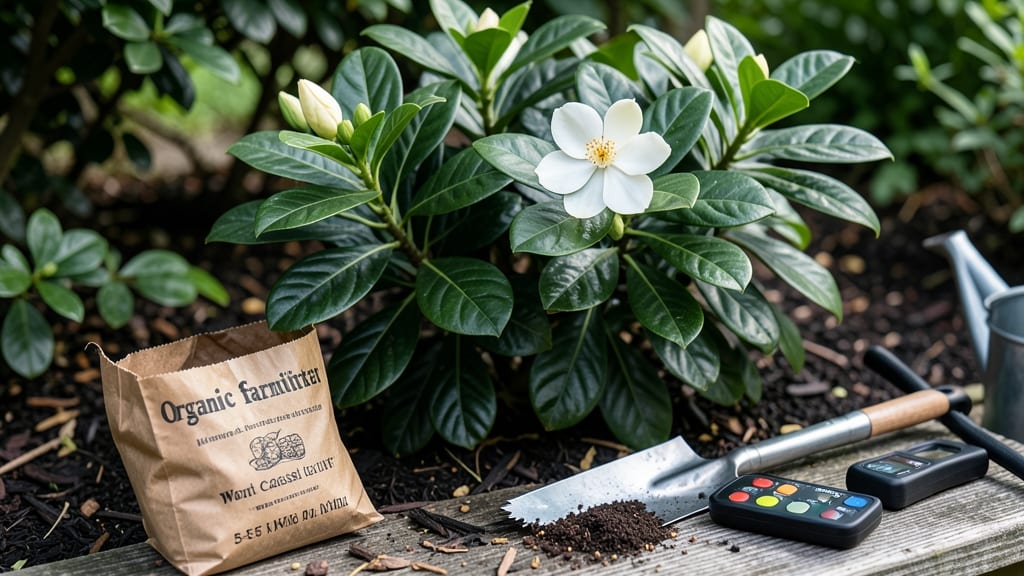
Your gardenias need natural fertilizer to thrive, especially if you love their fragrant blooms 🌸 — and the right organic options can make all the difference without harsh chemicals.
Struggling to keep your gardenias blooming beautifully without harsh chemicals? The secret lies in feeding them the right natural fertilizers that mimic their native acidic soil conditions.
These acid-loving shrubs crave nutrients like nitrogen, phosphorus, and potassium, but they also need the right pH balance to absorb them. Too much synthetic fertilizer can burn roots or disrupt the soil, while organic options gently feed the plant and improve soil health over time.
Below, I’ll share the top natural fertilizers for gardenias — from coffee grounds to compost tea — plus exactly how and when to apply them for bigger blooms and lusher foliage.
Top 5 natural fertilizers that promote gardenia blooms
Gardenias thrive when their acidic soil needs are met naturally, without synthetic chemicals. These five powerhouse fertilizers boost blooms by providing essential nutrients while maintaining the pH balance gardenias crave.
Each option works differently—some acidify soil, others feed roots directly, and a few even repel pests. Let’s explore how to use them effectively for show-stopping gardenia flowers.
Gardenias originate from humid, acidic forests in Asia and Australia, where soil pH ranges between 5.0 and 6.5. Mimicking these conditions at home ensures your plants absorb nutrients efficiently. The best natural fertilizers not only lower pH levels but also supply phosphorus and potassium, critical for blooming.
Over time, I’ve tested these five options in my own garden, and they consistently deliver healthier foliage and abundant flowers.
Comparison Table: Natural Fertilizers for Gardenias
| Fertilizer | Key Benefits | How to Use | Best Time to Apply | pH Impact |
|---|---|---|---|---|
| Coffee Grounds | Adds nitrogen, repels pests, lowers soil pH | Sprinkle ½ cup around base, mix into top 2 inches of soil | Spring and fall, every 4-6 weeks | Lowers pH by 0.5-1.0 points |
| Pine Needles | Slow-release nitrogen, acidifies soil naturally | Spread 2-3 inches as mulch around plants | Fall and winter, refresh every 3 months | Lowers pH by 0.3-0.7 points |
| Compost Tea | Rich in microbes, provides balanced nutrients | Apply 1 cup diluted tea per gallon of water, foliar spray or soil drench | Every 2-3 weeks during growing season | Neutral to slightly acidic (pH 6.0-6.5) |
| Eggshells | Provides calcium, improves soil structure | Crush and sprinkle 1 tbsp around base, mix lightly into soil | Spring and summer, every 8-10 weeks | Neutral (pH 7.0), but balances soil health |
| Banana Peels | High in potassium, boosts flowering | Dry and crush peels, mix 1 tbsp into soil or compost | Spring and early summer, every 6 weeks | Slightly acidic (pH 5.5-6.0) |
Let’s start with coffee grounds, my go-to for quick acidity boosts. These are packed with nitrogen and organic matter, but they must be used sparingly—too much can create compaction or mold.
I mix them into the top 2 inches of soil around gardenia roots in early spring, just as new growth begins. The dark, rich color of gardenia blooms often improves within weeks of application, thanks to the nitrogen kick.
For a longer-lasting solution, try pine needles. These create a natural mulch that slowly releases nutrients while keeping soil moist. I collect fallen needles from my pine trees in the backyard and spread them 2-3 inches thick around gardenias in fall.
Over time, they break down into a humus-like layer that mimics the forest floor where gardenias thrive naturally.
Compost tea is my secret weapon for foliar feeding and root health. I brew it by steeping compost in water for 24-48 hours, then strain and dilute it before applying. The microbes and nutrients in the tea help gardenias absorb phosphorus and potassium more efficiently, leading to larger, more fragrant blooms. I use it every 2-3 weeks during the growing season, alternating between soil drench and foliar spray.
Don’t overlook eggshells—they’re a calcium powerhouse that also improves soil structure. I crush dried eggshells into a fine powder and sprinkle them around gardenia bases in spring.
The calcium helps prevent blossom end rot and strengthens cell walls, making plants more resilient to stress. Plus, the shells break down slowly, providing a steady nutrient release.
Finally, banana peels are a potassium-rich treat for gardenias. I save peels from my kitchen (yes, they’re gardening gold!) and dry them in the sun before crushing.
The potassium boosts flowering, and I mix the powder into the soil every 6 weeks during the growing season. The result? More blooms and deeper
How to apply natural fertilizers for maximum gardenia growth
Gardenias thrive when their soil mirrors their native acidic conditions in tropical forests. The key to stunning blooms lies in proper natural fertilizer application—not just what you use, but how and when you apply it.
Unlike synthetic fertilizers, natural options require patience and precision, but the results—fragrant blooms and lush foliage—are worth the effort.
Before diving into application, remember: gardenias are sensitive to salt buildup from over-fertilizing. Organic methods like compost tea or worm castings provide slow-release nutrients without risking chemical burns. The best time to fertilize is during the active growing season (spring through early fall), aligning with their natural bloom cycles.
Step-by-Step Guide to Feeding Your Gardenias
- 1 Test Your Soil First: Gardenias prefer acidic soil (pH 5.0–6.5). Use a soil pH test kit to check levels. If your soil is too alkaline, amend it with sulfur or pine needles before fertilizing.
-
2
Prepare Your Fertilizer Mix:
- • Compost tea: 1 cup compost steeped in 5 gallons water for 24 hours
- • Worm castings: 1 tbsp per gallon of water, stir well
- • Coffee grounds: Sprinkle ½ cup around base (fresh grounds only)
- 3 Apply in Early Morning: Water your gardenia thoroughly before fertilizing to prevent root burn. Use a spray bottle for liquid fertilizers or sprinkle granules evenly around the root zone (not the trunk).
-
4
Follow the Seasonal Schedule:
- • Spring (April–May): Light feed every 4 weeks to encourage new growth
- • Summer (June–August): Feed every 6 weeks during bloom season
- • Fall/Winter: No fertilization—let the plant rest
- 5 Mulch for Retention: After fertilizing, add a 2-inch layer of pine bark mulch to lock in moisture and maintain soil acidity. Keep mulch 3 inches away from the trunk to prevent rot.
- 6 Monitor and Adjust: Yellow leaves or fewer blooms may signal over- or under-fertilizing. Flush the soil with water if you suspect salt buildup, or adjust your fertilizer type (e.g., switch to fish emulsion for a nitrogen boost).
Potted gardenias need slightly more frequent feeding—every 3–4 weeks during the growing season—because their roots have limited access to nutrients. Always use half the recommended dose for container plants to avoid overloading their small root systems.
Pro tip: Mix a handful of worm castings into the potting soil at repotting time for a nutrient reserve.
One of my favorite tricks? Save your banana peels and citrus rinds in a freezer bag. Once a month, chop them up and bury them near the roots—they’ll slowly release potassium and acidify the soil over time.
Just remember: balance is key. Too much citrus can make the soil too acidic, so alternate with compost tea for a well-rounded diet.
With consistent natural fertilization, your gardenias will reward you with glossy leaves and abundant blooms by next season. The secret isn’t just in the fertilizer—it’s in the patience and attention to detail that mimics their tropical home. Happy gardening! 🌸