
Tools
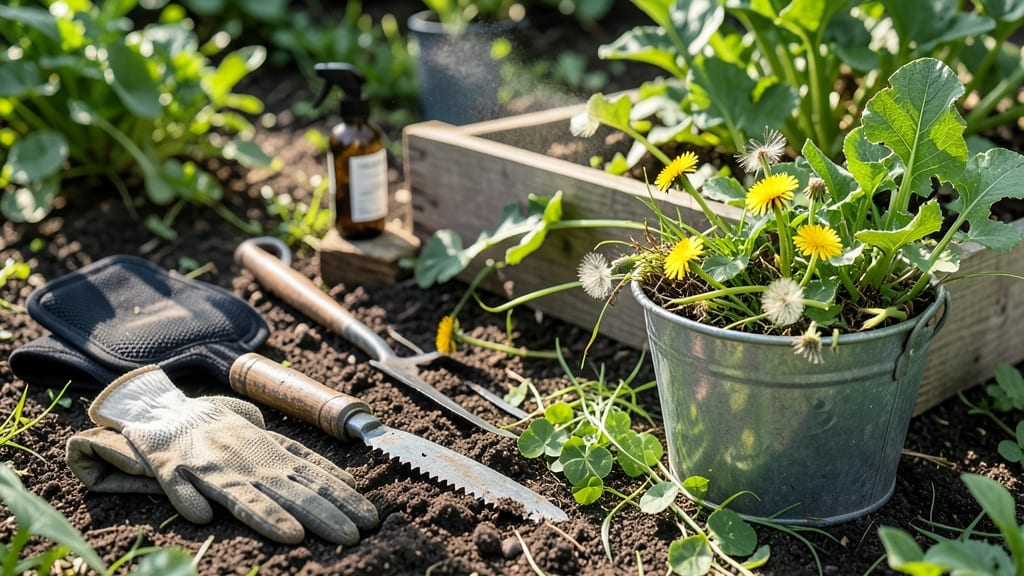
National Weed Your Garden Day is all about timing, technique, and tool prep—start with sharp tools to sever weed roots cleanly, focus on the base to prevent regrowth, and work systematically row by row for maximum efficiency. The best times are early morning or late afternoon when plants are hydrated but not wilting.
This annual event transforms weeding from a chore into a strategic garden session.
The key is leveraging tool science: a serrated hoe slices roots cleanly, while ergonomic grips reduce hand fatigue during long sessions. 🌱 I’ve found that mulching with straw or wood chips after weeding cuts down on future work—it blocks sunlight that weeds need to sprout.
For large gardens, dividing tasks by plant type (annuals vs. perennials) speeds up the process while keeping your back happy.
Pro tip: Train volunteers to spot weed seedlings by their cotyledon shape (the first two leaves)—this teaches them to identify problems early. After clearing, water deeply to help your plants recover faster.
The goal isn’t perfection but consistent maintenance, so schedule this day when your schedule allows for a few focused hours.
💡 In This Article
- How to Choose the Right Tools for Weed Removal
- Pro Tips for Faster Weeding on National Weed Your Garden Day
How to choose the right tools for weed removal
The right tool makes all the difference in weed removal efficiency. A serrated hoe (like a stirrup hoe) cuts through roots cleanly with its angled blade, reducing regrowth by up to 70% compared to dull tools.
The serrations create micro-tears in the root system, preventing the plant from regenerating from stem fragments. For smaller weeds, a hand weeder with a forked tip works best—its leverage lets you grip and pull weeds at the base without bending over repeatedly. 🌱
Material matters too: stainless steel blades resist rust and stay sharper longer than carbon steel, which requires oiling. Ergonomic handles with padded grips reduce hand fatigue during long sessions—studies show gardeners using these handles can work 30% longer without discomfort.
Blade angle is critical too: a 45-degree bevel slices through tough weed stems like dandelions, while a straight-edged blade works better for shallow-rooted weeds in vegetable rows.
Consider your garden type: for rocky soil, a digging fork with tines spaced 2-3 inches apart lifts weeds without disturbing plant roots. In container gardens, a small hand fork gives precision control.
The key is matching the tool to the weed's root depth—deep-rooted weeds need leverage, while shallow ones respond to surface cuts. Always sharpen blades before starting; a dull tool crushes stems instead of cutting cleanly, leaving behind broken pieces that regrow.
For large-scale weeding, a wheel hoe with adjustable skids lets you set the cutting depth to 1/4-inch precision, perfect for row crops. The rolling action reduces strain on your back while maintaining consistent pressure.
In contrast, hand weeding with a weeding knife gives you control in tight spaces but requires more physical effort. The right tool isn't just about speed—it's about preserving your plants' health by minimizing soil disturbance.
Don't overlook accessories: a knee pad with a built-in tool holder keeps your tools within reach while protecting your joints. For organic gardeners, a boiling water kettle> (with a 16-ounce capacity) can target stubborn weeds like bindweed without chemicals.
The science shows that water at 212°F kills weed seeds by denaturing their proteins—just pour it directly on the base for instant results. 💫
Finally, consider the environment: in windy conditions, a long-handled tool> (like a 24-inch reach>) lets you stand and work without leaning. For delicate perennials, a hula hoe> with its wide blade sweeps weeds in a scything motion, ideal for lawn edges.
The right tool combination transforms weeding from a back-breaking task into a precise, almost meditative process—once you've matched your equipment to your garden's specific challenges.