
Tools
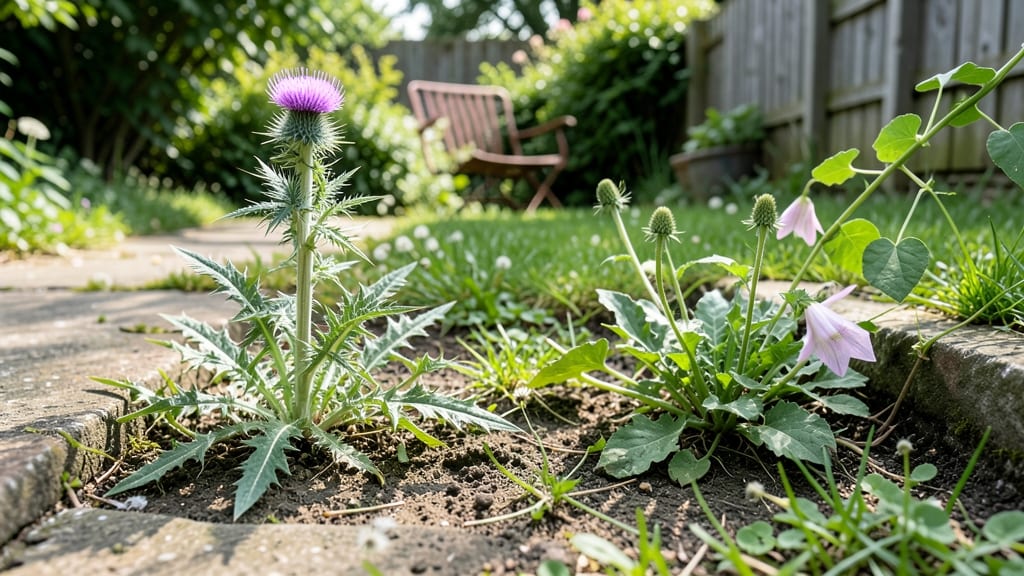
Identifying and removing garden weeds in the UK requires seasonal strategies because their growth patterns shift with climate changes. Early removal using tools like hoes or manual extraction—combined with mulching—stops regrowth and protects your plants. Focus on eliminating common invaders like dock, nettle, and bindweed before they dominate.
UK gardens face unique challenges with weeds due to the country's variable weather—wet springs and mild winters create ideal conditions for rapid spread. 🌱 The key is understanding each weed's lifecycle, such as how bindweed thrives in warm, damp soil or how chickweed explodes in cold snaps.
I've found that timing matters most: pulling weeds when soil is moist (after rain) reduces root breakage, while mulching with straw or cardboard smothers new growth before it starts.
For stubborn weeds like ground elder, a targeted approach with vinegar or boiling water works better than broad chemical sprays, which can harm nearby plants.
Another critical factor is tool selection. Hand forks and weed burners are my go-to for deep-rooted weeds, while a simple trowel works for shallow invaders. In wetter regions like Cornwall, I recommend using a hoe to cut weeds at the base rather than pulling, which prevents soil erosion.
For pathways, a mix of salt and vinegar can tackle persistent weeds without damaging surrounding plants. The goal is always to act before weeds seed—once they do, you're fighting a losing battle against next season's crop.
💡 In This Article
- Common UK Weeds by Season: Identification and Growth Patterns
- UK-Specific Weed Removal Tools and Organic Methods
Common UK weeds by season: identification and growth patterns
UK weeds thrive because of the country's unpredictable climate—mild winters and wet springs create perfect conditions for rapid growth. The spring sees weeds like dandelions and chickweed explode, taking advantage of increased moisture and sunlight.
Dandelions, for example, can produce up to 2,000 seeds per plant, while chickweed spreads through tiny seed pods that cling to clothing and tools. These weeds dominate because their shallow roots absorb water quickly, even in damp soil.
By summer, weeds like bindweed and ground elder take over, thriving in warm, dry conditions. Bindweed, with its heart-shaped leaves and white flowers, can grow up to 10 feet per year if left unchecked.
Its deep roots (up to 10 feet) make it nearly impossible to eradicate once established. Meanwhile, ground elder spreads aggressively through underground runners, smothering other plants by blocking sunlight. Both species exploit the UK's mild summers, which provide consistent warmth without extreme heat stress.
Autumn brings a resurgence of nettles and dock, which store energy in their roots over summer to fuel rapid regrowth when temperatures drop. Nettles, with their stinging hairs, release histamine when touched, making them both painful and persistent.
Dock, identifiable by its broad leaves and yellow-green flowers, thrives in disturbed soil—common in UK gardens after planting or digging. These weeds dominate because their life cycles are synchronized with the UK's wet autumns, which keep the soil moist for root development.
Winter is the quietest season for weeds, but some like bittersweet nightshade and ivy persist, using evergreen foliage to photosynthesize even in cold conditions. Ivy, in particular, spreads through aerial roots that latch onto walls and fences, while bittersweet's glossy leaves help it retain moisture.
The key to controlling these weeds is understanding their growth triggers: moisture, temperature, and soil disturbance. For instance, pulling weeds after rain reduces root breakage, while mulching in autumn suppresses new growth before winter dormancy.
Here's what makes UK weeds so resilient: their ability to adapt to variable moisture levels and temperature shifts. For example, chickweed thrives in both cold snaps and warm spells, while bindweed's deep roots access water even in drought-like conditions.
This adaptability is why UK gardens see weeds year-round, with peaks in spring and autumn. The solution? Targeted removal during these seasons, combined with organic mulches to block sunlight and moisture.
One often overlooked factor is how weeds compete with your plants. Dock, for instance, releases chemicals that inhibit the growth of nearby vegetables, while bindweed can strangle young plants by wrapping around stems.
This competition is why early identification—looking for unusual leaf shapes, aggressive spread, or unseasonal growth—is critical. A quick inspection of your garden can reveal which weeds are taking over before they become unmanageable.