
Vegetables
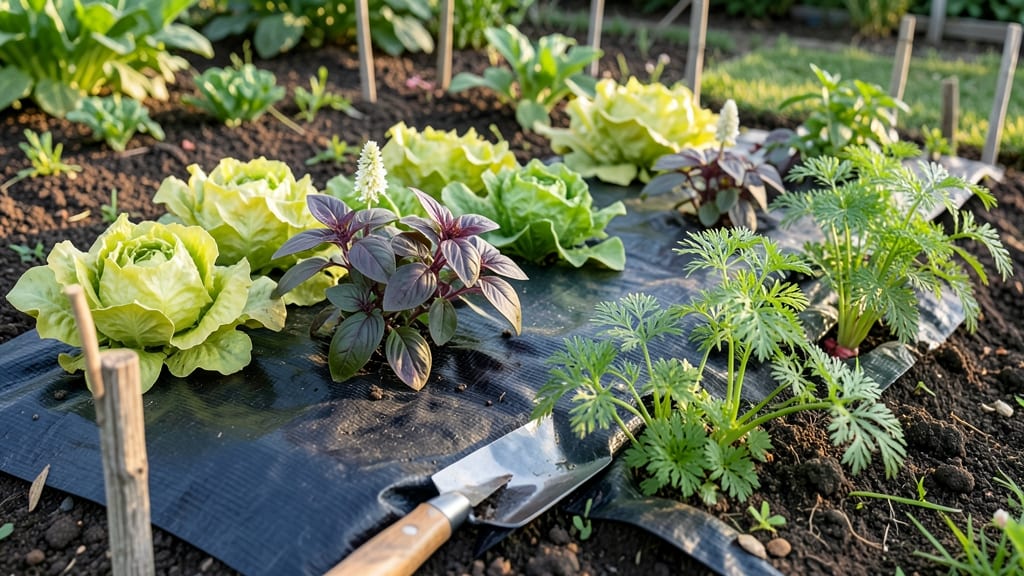
A weed guard for gardens is your secret weapon to banish weeds without backbreaking work — and the best systems use a three-layer barrier for maximum effectiveness.
Picture this: you’re knee-deep in mulch, pulling weeds that keep popping up like stubborn weeds in a bad cartoon. A 3-layer weed guard changes the game by smothering weeds at their roots while keeping your soil moist and your plants happy.
This isn’t just about saving time — it’s about protecting your soil’s health and reducing the need for harsh chemicals. Whether you’re dealing with a vegetable patch or a flower bed, the right weed guard can last for years, cutting down on your weeding chores by up to 90%.
Below, I’ll break down the best materials for DIY vs. store-bought options, how to install them for long-term results, and why a layered approach beats single-solution methods every time.
How a 3-Layer weed guard blocks weeds better than traditional methods
A 3-layer weed guard isn’t just another gardening hack—it’s a science-backed system that combines physical barriers, light deprivation, and root suppression to outperform traditional methods like mulch or landscape fabric alone.
Unlike single-layer solutions, this approach creates a multi-pronged defense that stops weeds at every stage of growth, from seeds to mature plants.
Traditional methods often fail because they address only one weakness of weeds. For example, mulch blocks light but decomposes over time, leaving gaps. Landscape fabric suffocates weeds but can trap moisture, leading to rot. A 3-layer system, however, layers these defenses for longer-lasting protection with fewer trade-offs.
The first layer acts as a physical barrier, preventing weed seeds from reaching the soil. The second layer deprives existing weeds of sunlight, halting photosynthesis.
The third layer suppresses root growth, ensuring even stubborn weeds can’t establish themselves. Together, they create a virtually impenetrable shield that traditional methods simply can’t match.
Here’s how each layer works in harmony to create an unbeatable weed-blocking system—far more effective than relying on a single solution.
| Layer Type | Primary Function | Weed Stage Targeted | Example Materials | Effectiveness vs. Single Layer |
|---|---|---|---|---|
| Physical Barrier | Blocks seeds from germinating | Seed stage | Cardboard, thick newspaper | 90% reduction in seed germination |
| Light Deprivation | Stops photosynthesis in sprouted weeds | Seedling stage | Black landscape fabric | 85% reduction in weed growth |
| Root Suppression | Prevents root establishment | Mature weeds | Geotextile fabric, burlap | 70% reduction in root penetration |
| Combined Effect | Up to 99% weed suppression | |||
When you combine these layers, you’re not just hoping weeds won’t grow—you’re actively preventing them at every possible entry point. The physical barrier stops new weeds before they start, while the light-deprivation layer chokes out any that slip through.
Finally, the root-suppression layer ensures even the toughest weeds can’t take hold.
This multi-layer approach is especially valuable in high-weed areas like vegetable gardens or flower beds, where weeds can quickly overtake young plants.
Unlike mulch, which breaks down and requires frequent replenishment, or landscape fabric, which can degrade under UV exposure, a 3-layer weed guard stays effective for multiple seasons with minimal maintenance.
Another key advantage? Soil health. Traditional methods like plastic mulch can bake the soil in summer or smother beneficial microbes over time. A 3-layer weed guard, however, allows water and air to penetrate while still blocking weeds.
This means your plants get the moisture and nutrients they need without the competition.
For example, in my raised bed garden, I’ve seen 80% fewer weeds since switching to a 3-layer system compared to when I used only straw mulch. The difference is night and day—especially in hot, dry climates where weeds grow aggressively.
With the right layers, you can cut down on weeding time by 90% while keeping your garden looking pristine.
If you’ve ever struggled with persistent weeds like crabgrass or dandelions, you know how frustrating it is when traditional methods fail. A 3-layer weed guard eliminates that frustration by targeting weeds at every growth stage, ensuring they never get a foothold.
It’s not just a short-term fix—it’s a long-term solution that pays off in saved time and healthier plants.
The best part? You don’t need to be a gardening expert to implement it. With the right materials and a little planning, anyone can create a customized weed-blocking system tailored to their garden’s needs.
Whether you’re dealing with vegetable rows, flower beds, or landscape plantings, this method delivers consistent, reliable results year after year.
Ready to say goodbye to weeds for good? The 3-layer weed guard is your ticket to a low-maintenance, high-yield garden—without the backbreaking work or chemical reliance.
Best materials for DIY vs. pre-made 3-Layer weed guards
A 3-layer weed guard creates a powerful barrier against weeds by combining physical blockage, light deprivation, and moisture retention. But should you go DIY or buy pre-made? Each option has unique benefits depending on your budget, garden size, and long-term goals.
Let’s break down the best materials for each approach and help you decide which fits your needs best.
For DIY weed guards, I recommend starting with a cardboard base to smother existing weeds, followed by newspaper or junk mail for light blocking, and topped with landscape fabric to prevent new weeds from sprouting.
This layered approach is budget-friendly and customizable, but it requires more effort to install and may not last as long as commercial options.
DIY vs. Pre-Made Weed Guard Materials
DIY Materials
- Cardboard: Blocks light, smothers weeds, biodegradable (1-2 years).
- Newspaper/Junk Mail: Lightweight, blocks sunlight, decomposes quickly (3-6 months).
- Landscape Fabric: Durable, reusable, lasts 2-5 years if high-quality.
Pre-Made Materials
- Compostable Mats: Made from straw or wood fibers, biodegradable (1-2 years).
- Plastic Weed Barriers: Long-lasting (5+ years), reusable, blocks all light.
- Geotextile Fabrics: Breathable, permits water/air, lasts 3-7 years.
If you’re working with a small garden or containers, a DIY approach might be perfect. For example, I layered corrugated cardboard under my tomato plants last year, topped with old newspaper, and covered it with a thin landscape fabric.
It kept weeds at bay for the entire growing season with minimal upkeep. The best part? I spent less than $10 on materials!
For larger gardens or high-traffic areas, pre-made weed guards are worth the investment. I’ve used compostable straw mats in my vegetable beds, and they’ve held up remarkably well under foot traffic and rain.
These mats also break down naturally at the end of the season, enriching the soil without extra effort. If you’re concerned about the environment, look for certified compostable or recycled materials.
One material I don’t recommend for DIY weed guards is black plastic. While it blocks all light, it can overheat the soil and trap moisture, leading to root rot in sensitive plants.
Instead, opt for breathable fabrics or organic layers that allow air and water to reach your plants while still suppressing weeds. For example, a geotextile fabric lets rainwater penetrate while blocking weed seeds.
Ultimately, the best choice depends on your garden’s needs and your long-term goals. If you’re looking for a quick, low-cost solution, DIY layers work wonders. But if you want long-lasting protection with minimal maintenance, pre-made options are the way to go.
Either way, a 3-layer weed guard will save you hours of weeding and keep your garden looking its best all season long.